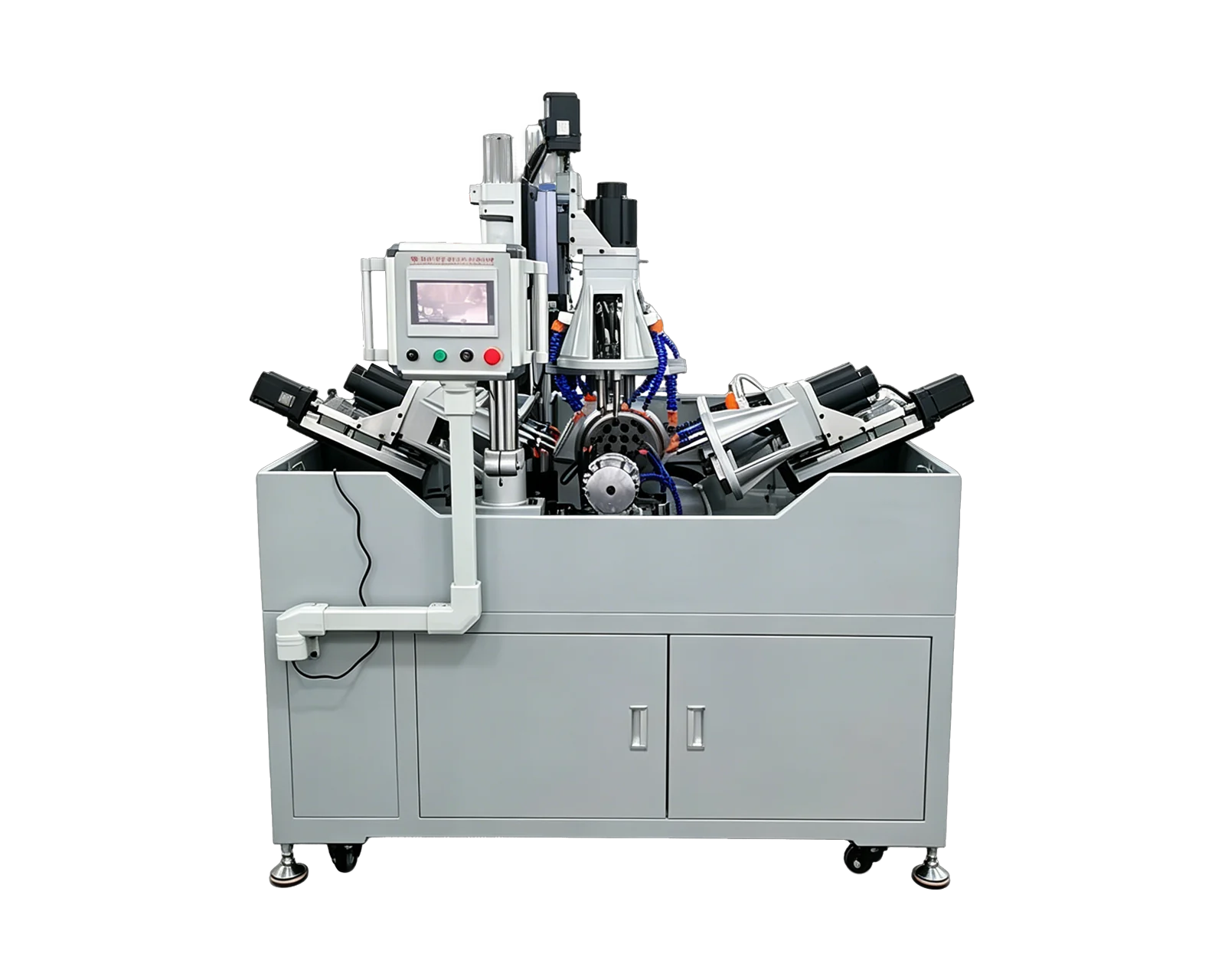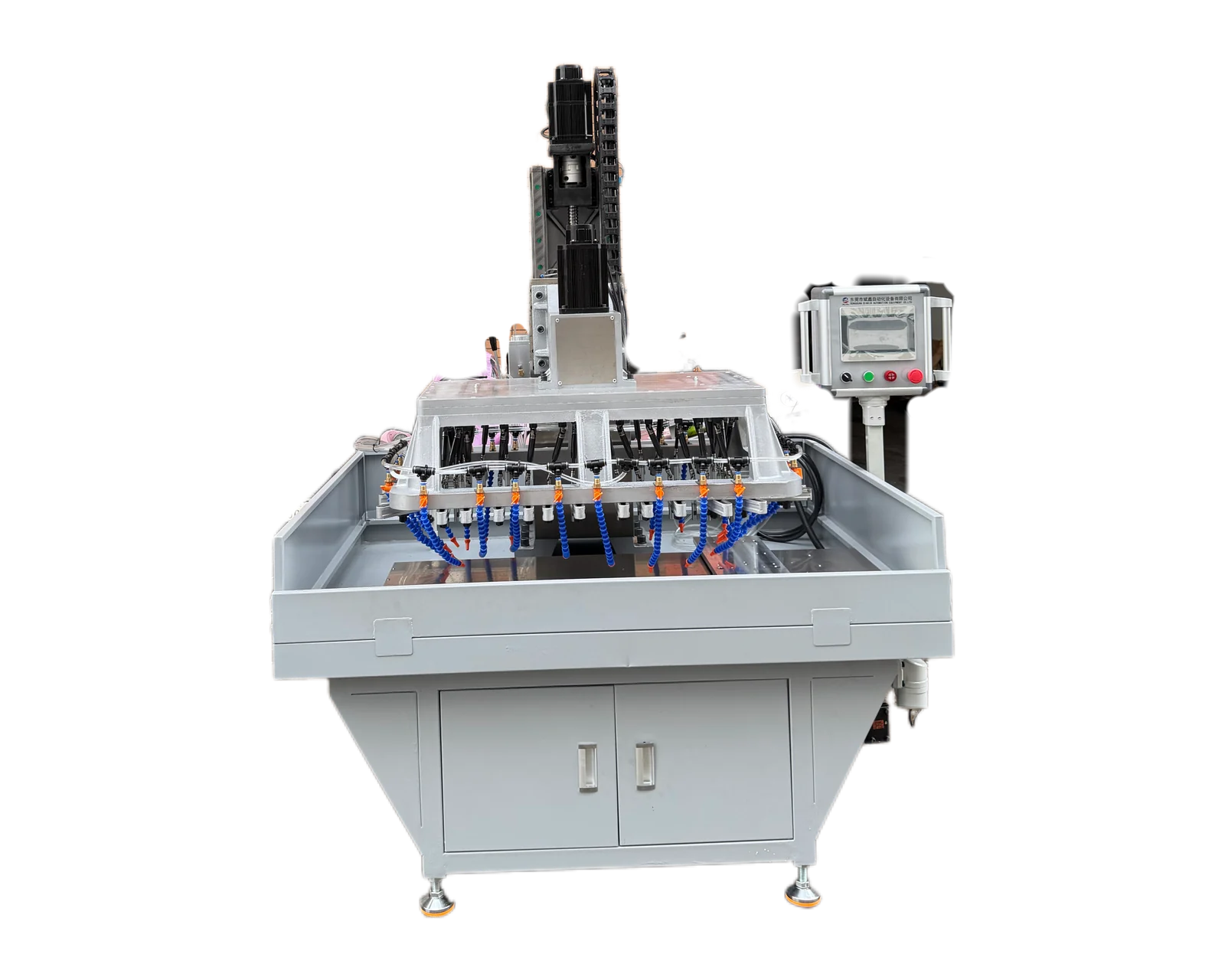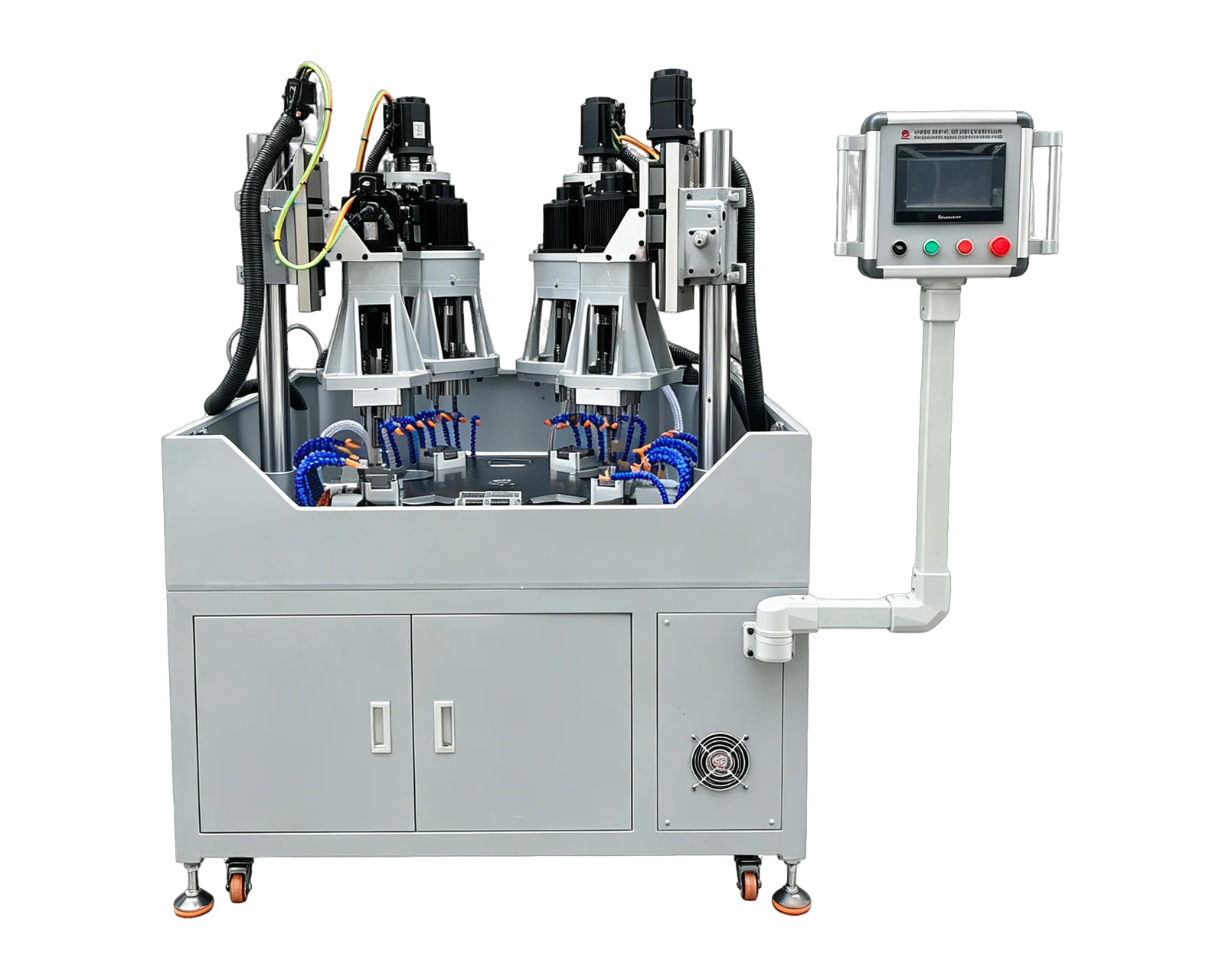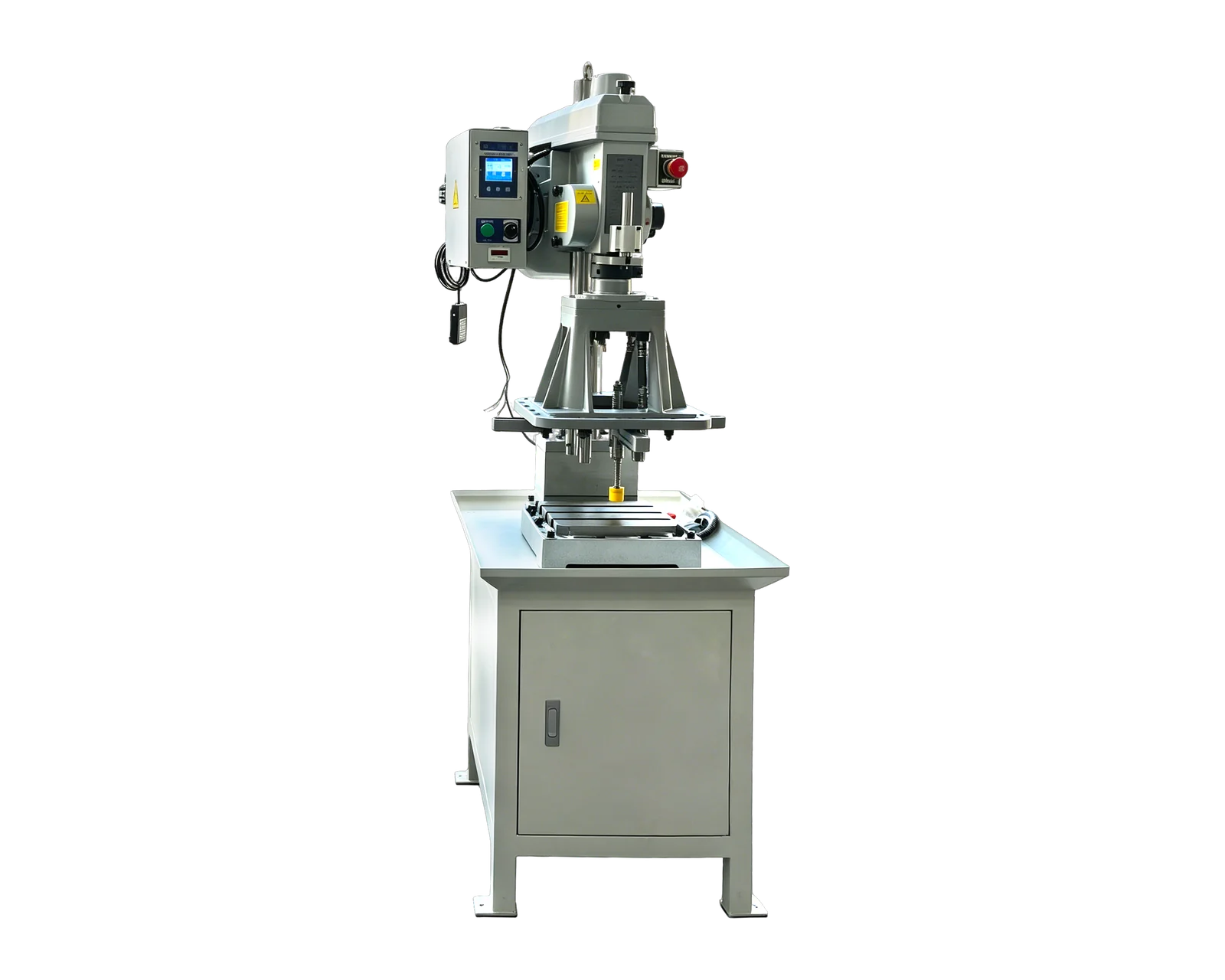
Explore equipment for your inquiry
4508 Gear-Driven Automatic Tapping Machine →Review the published specifications and configuration options against your part drawing before requesting a quote.
1. Use component identities rather than a set name
A lock hardware set can contain several components, while the equipment inquiry may concern only one cover, housing or mounting piece. List each included component by part number, drawing revision and material designation. Record its quantity in the set and its incoming operation stage. A commercial product name should not become the sole technical identifier for a machining proposal.
State whether output is counted as individual processed pieces or as complete sets. Identify versions that share an appearance but carry different approved features. Keep the controlled component drawing as the source of machining requirements. Assembly photographs can explain the context, but they do not replace dimensions or authorize changes to hole positions, thread definitions or relationships between mating components.
2. Map hole functions without inferring product performance
Group the requested features by the functions defined in the customer's documents, such as a mounting or component-fastening feature. This helps prevent a visually similar opening from being included in the wrong operation. The feature list should retain the approved drawing definition and identify any existing feature that must remain unchanged. It does not need to describe how the lock operates.
3. Describe any installed items at loading
If components arrive with an installed mechanism, insert or other item, supply the actual incoming assembly drawing and identify what must be preserved. State whether removal is permitted and who is responsible for any separately approved disassembly or reassembly work. Do not assume that an arrangement reviewed for an empty component also covers a partially assembled item with the same exterior shape.
Mark permitted contact regions, protected finishes and the required outgoing condition. Ask the equipment review to identify unresolved access, handling and inspection questions before a configuration is selected. Keep any requirements for installed items tied to the customer's controlled documents. This discussion concerns the manufacturing boundary; it does not provide instructions for altering security mechanisms or make a claim about the performance of a finished locking product.
4. Check a set revision at the component level
Hypothetical purchasing example: a hardware set is updated while retaining its commercial name. One component receives a revised mounting feature, another remains unchanged, and a third now arrives with an item preinstalled. A request to continue making the same set leaves three different technical conditions hidden behind one purchasing label. The equipment review needs the component-level changes, not just the new set photograph.
Prepare a revision comparison showing the affected feature IDs and incoming stages. Identify which sample belongs to each version and ask the proposal to state its coverage. If only the empty component has been reviewed, keep the assembled version provisional until its restrictions are resolved. This is an illustrative purchasing scenario, not a BINSING customer case or evidence that one machine handles every lock hardware configuration.
5. Separate machining release from finished-set release
Agree the records required for the newly produced holes and threads and any preservation checks for supplied features. Assign responsibility for component sorting or set completion if those tasks are requested. A proposal for tapping individual pieces should not silently become a commitment to assemble, package or qualify a finished hardware set. Record those additional activities as separate scope items with clear owners.
Email BINSING the component drawings, version map, incoming assembly condition and production quantities. Ask the response to identify the tapping or drilling arrangement under review, included work and outstanding questions. Define any later assembly or product assessment separately using the responsible product owner's requirements. Component machining evidence does not establish security certification or finished-product performance, and neither should be inferred from a successful thread demonstration.