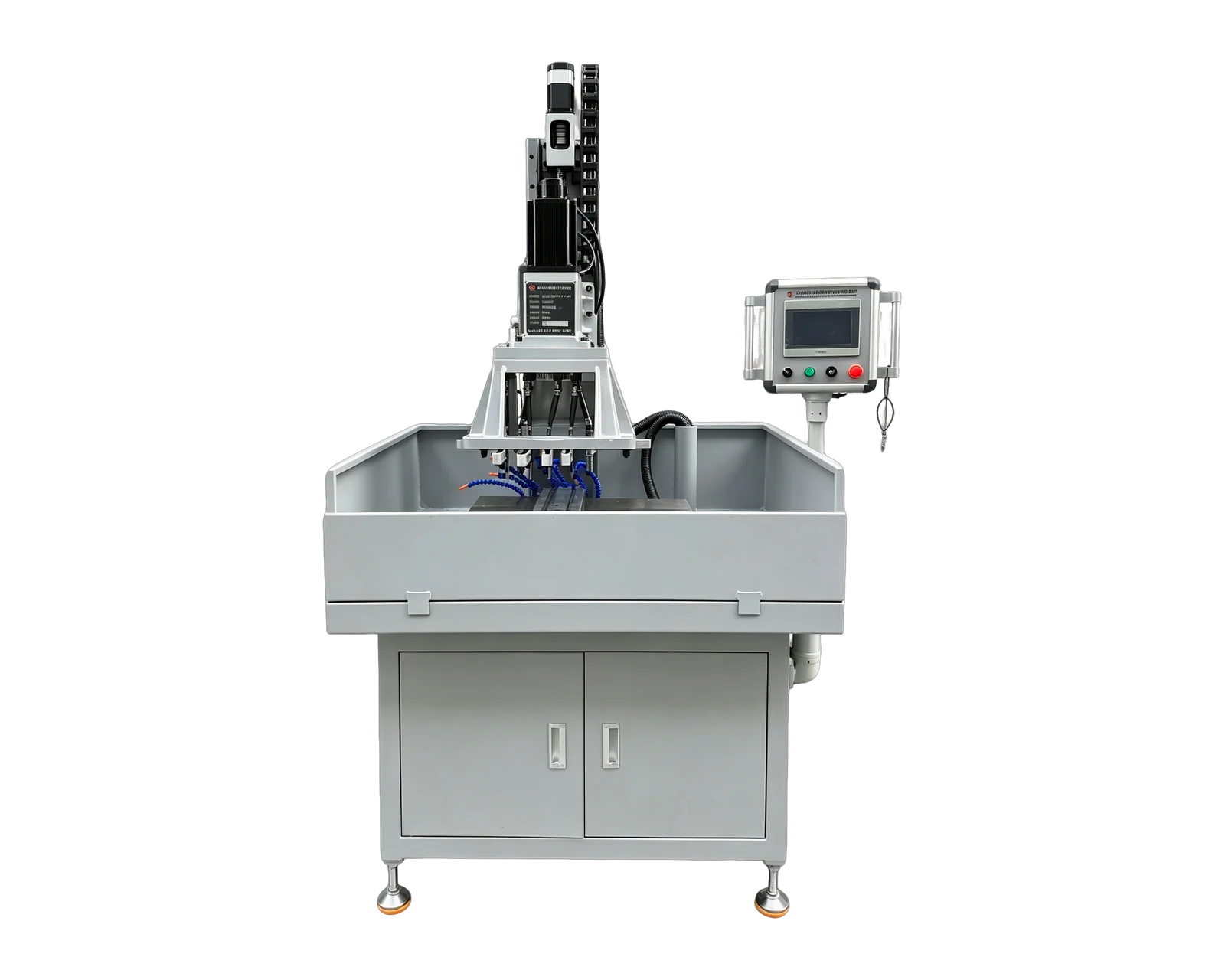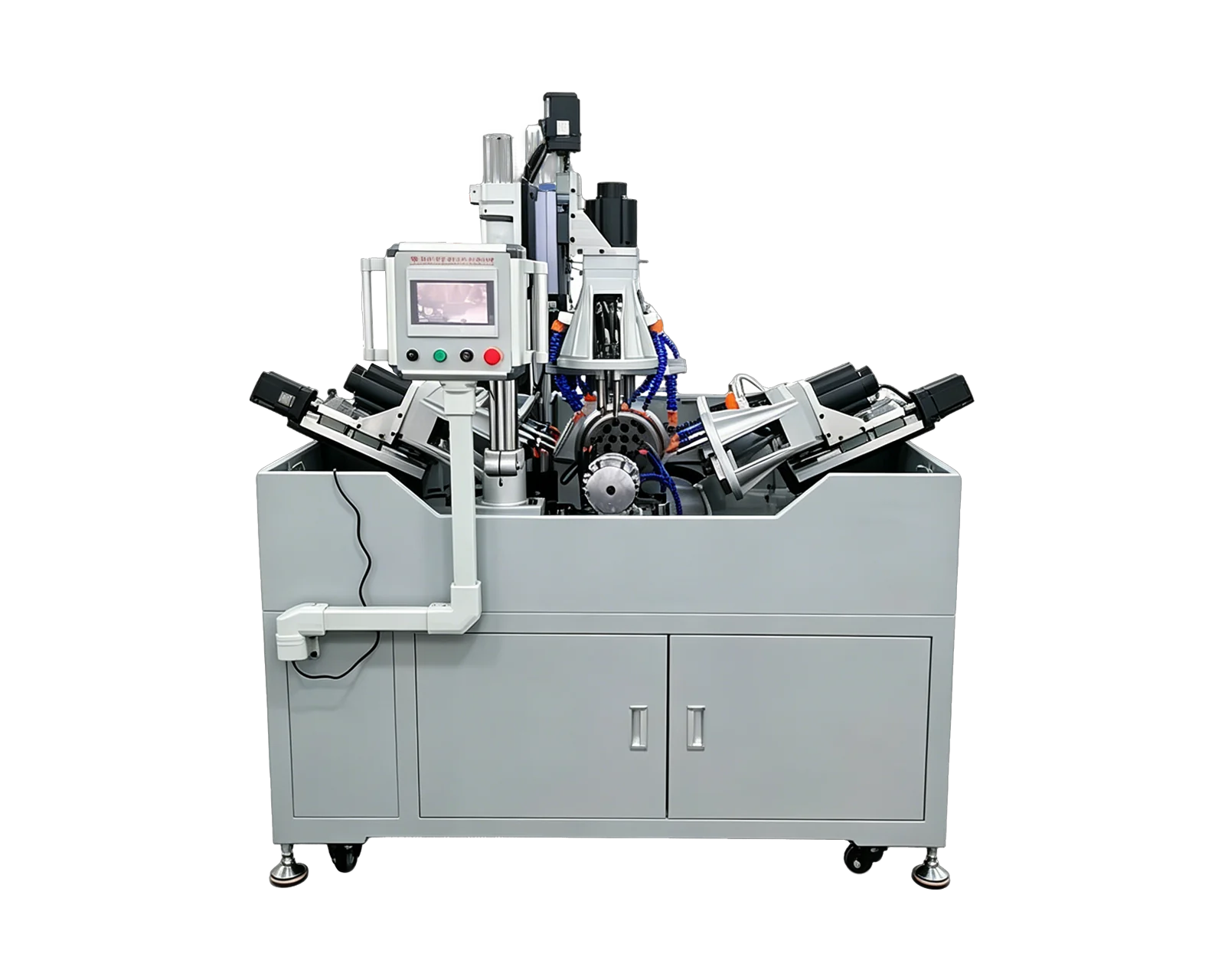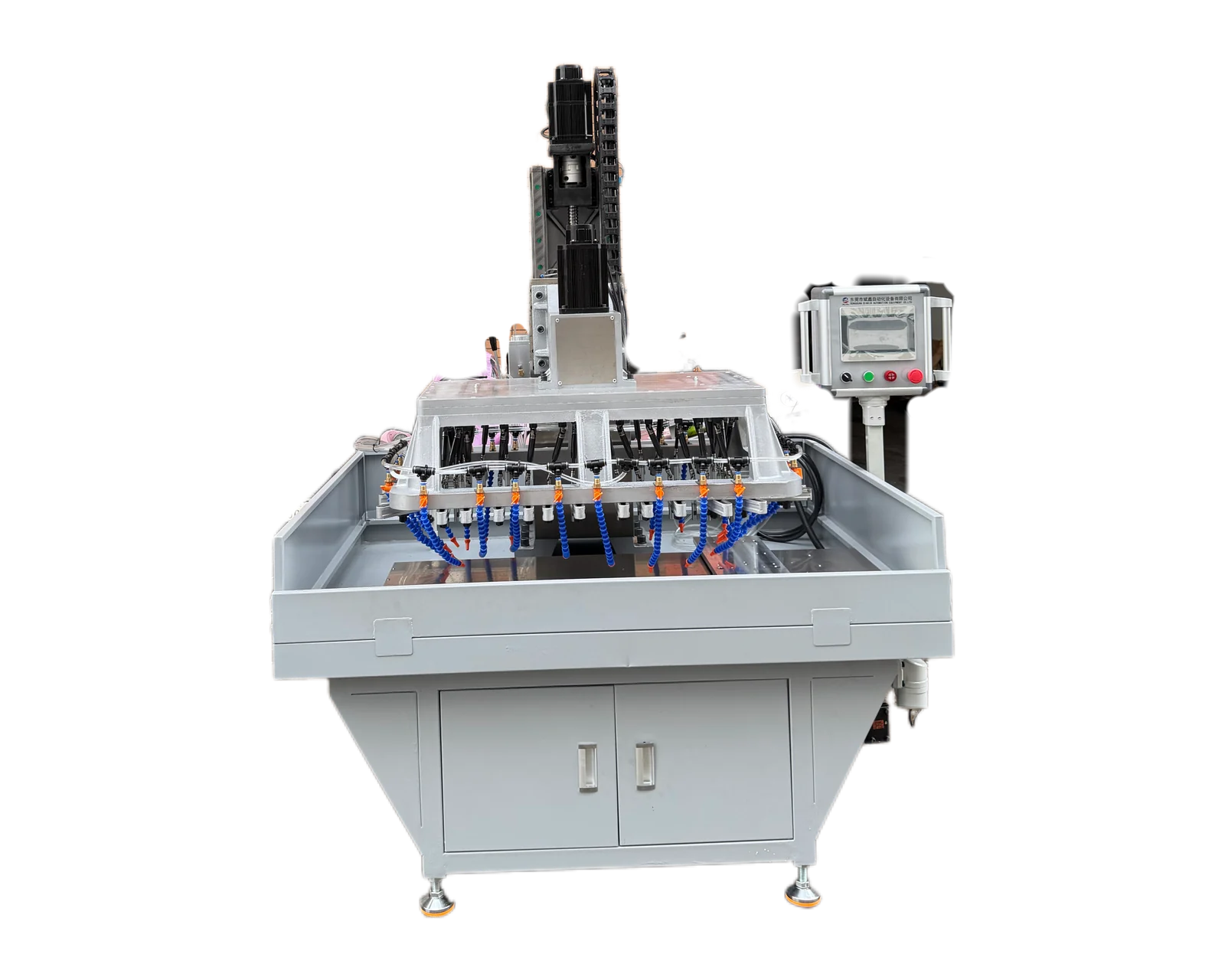
Explore equipment for your inquiry
Servo Traverse Multi-Spindle Drilling & Tapping Machine →Review the published specifications and configuration options against your part drawing before requesting a quote.
1. Identify what is already installed
Provide the assembly drawing and bill of materials entries relevant to the installed items. Identify the insert or bushing designation, revision and location, along with the specification governing the delivered assembly. If visually similar components come from different approved sources, record the versions that the equipment inquiry must cover. The machine supplier should not have to identify an installed component from a photograph or infer its requirements from a nearby hole dimension.
Show the complete incoming condition, including any features already finished and any openings intentionally awaiting further work. State whether the installed item is present during the quoted machining stage or will be assembled later. If both routes are under consideration, request separate assessments so an offer based on machining the bare body is not mistaken for an offer covering the assembled part.
3. Review access without assuming the insert is a locator
Ask the supplier to show the proposed location and approach relative to the installed components. An existing bushing may appear convenient as a reference, but its use must be consistent with the approved drawing and assembly requirements. Identify permitted contact regions and any restrictions on using installed items for location or support. Leave the detailed workholding concept to a review that includes the actual assembly rather than a simplified body model.
Provide relevant information about recesses, projections and enclosed regions around the proposed machining. Ask which parts of the concept depend on the incoming assembly condition and which need samples to resolve. The response should distinguish a proposed approach from a confirmed result. If cleaning or inspection around the installed component is required, define the expected result and who performs that work rather than presuming it is included with drilling or tapping.
4. Use an assembly example to expose supply gaps
Hypothetical purchasing example: a housing arrives with a bushing already installed and needs two separate mounting threads in the body. The buyer supplies the housing drawing but omits the installed bushing from the first model. Restoring the complete assembly model allows the supplier to assess the intended approach and fixture space, while the buyer identifies the existing component requirements that remain applicable after machining.
For this inquiry, the purchasing boundary should say whether review samples arrive fully assembled and who supplies them. It should also assign the inspection of incoming bushings and the assessment of the finished assembly. Those responsibilities are different from supplying the drilling and tapping equipment. Neither the presence of a bushing nor a successful discussion of nearby features authorizes modification of the installed item.
5. Agree the evidence needed for the finished assembly
Build the review record around both the newly machined features and the existing requirements identified by the buyer. Ask the responsible quality team to specify the checks and records it needs. Record which incoming configuration was assessed, including component revisions and sample identifiers. A review of one assembled version should not automatically extend to every approved insert source or a different assembly route without checking the changed inputs.
For a BINSING inquiry, email the complete assembly model, installed-component details and marked machining scope. Request a response that separates proposed equipment, buyer-supplied parts and unresolved product questions. If the real requirement is repair or correction of an existing feature, route that through an approved engineering disposition before treating it as a defined machining purchase.