Explore equipment for your inquiry
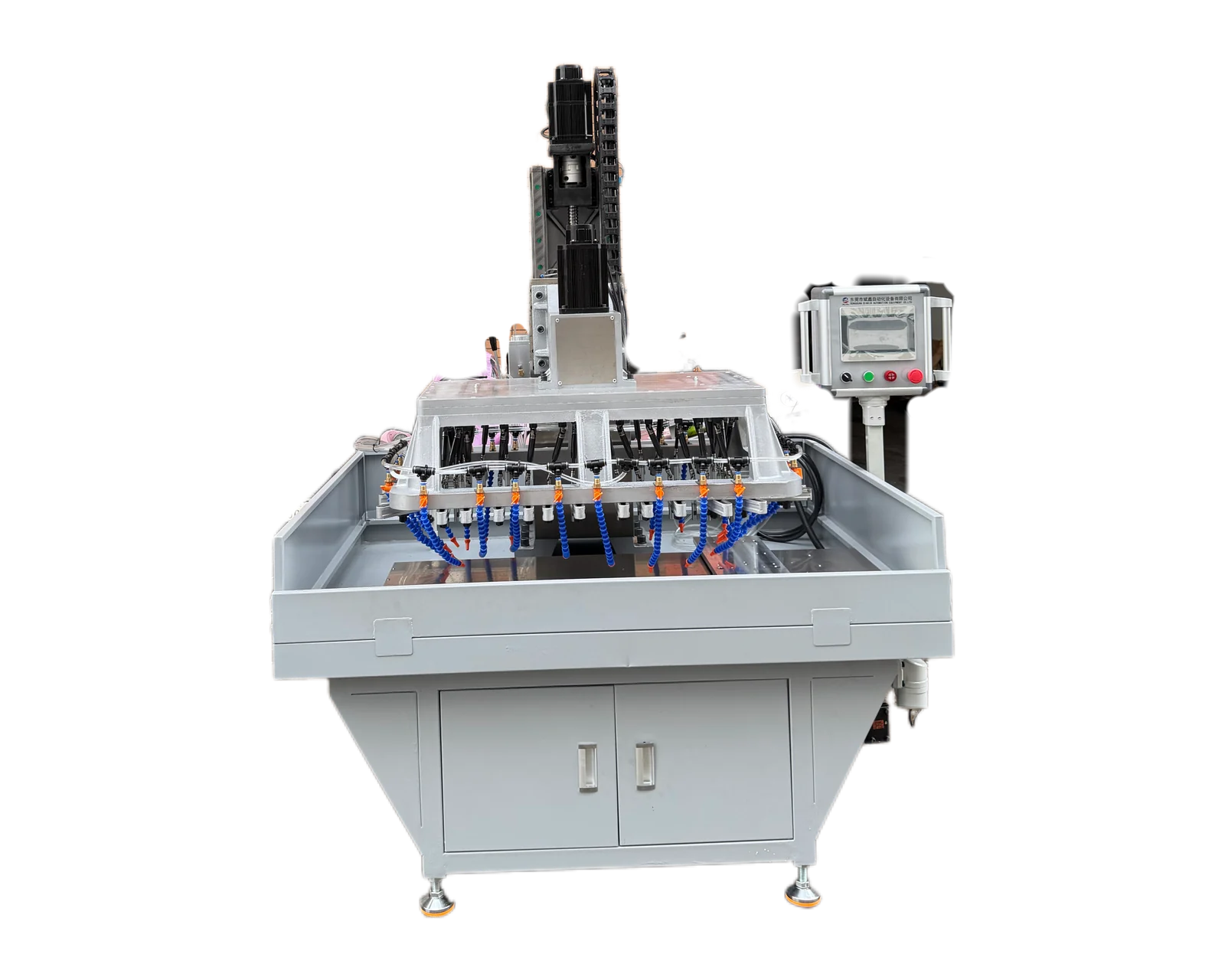
Dual-Servo Multi-Spindle Drilling & Tapping Machine →Review the published specifications and configuration options against your part drawing before requesting a quote.
Identify the actual items you intend to supply
Create a register with an item identifier, function, manufacturer or drawing reference, revision, quantity and condition. Distinguish a tool design you already use from physical tools that will arrive for the project. Include holders and adapters when relevant; a cutting tool alone does not describe its complete interface to a proposed machine. Mark items that are planned but have not yet been purchased or manufactured.
For an existing fixture, provide the available drawings, locating references and information about previous modifications. For a gauge, identify what it is intended to check and the documentation relevant to its agreed use. Do not assume that past use on another machine establishes suitability for the new arrangement. The supplier needs enough information to review the item in the proposed process and physical configuration.
Assign an owner to each compatibility question
Review compatibility by interface rather than asking whether buyer tooling is accepted in general. The table below shows questions to allocate before a quotation becomes firm. Record the information provider, the reviewer and the document that closes the question. An open interface should remain visible as a dependency or exclusion until its proposed solution and responsibility have been agreed.
Separate supply savings from integration work
Removing a tool or fixture from the supplier's purchase list does not automatically remove the work of reviewing, mounting or demonstrating it. Ask the quotation to identify any adaptation, documentation and review work associated with the supplied items. Compare the total agreed configuration with the alternative of supplier-provided tooling.
For example, suppose a buyer wants to reuse a fixture from an older drilling station. This is a hypothetical purchasing case. Its locating concept may be useful while its mounting arrangement or access envelope needs review. The purchasing decision is whether the proposed reuse, any adaptation and the required evidence form a practical package.
Plan receipt, condition review and missing items
Agree when the physical items must be available and what happens when receipt reveals a missing component or a condition different from the register. Record who checks the delivered inventory and who can authorize a replacement or adaptation. If only one item is available, discuss how that limits parallel work or repeat trials.
Identify ownership and handling arrangements through the project, including the return or shipment destination for unused items. Ask who supplies consumable replacements needed for the agreed demonstration and how any additional requirement will be raised. These are scope questions to resolve in the purchase documents; they should not be left to whichever team first discovers a shortage during the trial.
Validate the combined arrangement and retain its identity
Link the trial record to the exact tooling, fixture and gauge identifiers used. When an item changes, identify which conclusions need review rather than assuming all previous results still apply. Record the finished-part evidence alongside the configuration so future production teams can see what was actually demonstrated. Keep responsibility for supplied-item condition separate from responsibility for the machine's agreed integration work.
Start a BINSING discussion by emailing the part drawing and a supplied-item register with photographs and interface documents where available. State whether reuse is a requirement or an option to compare. Ask for unresolved compatibility questions and proposed integration work to be listed explicitly. This creates a quotation that can be evaluated as a complete application instead of a machine price with hidden buyer obligations.