Explore equipment for your inquiry
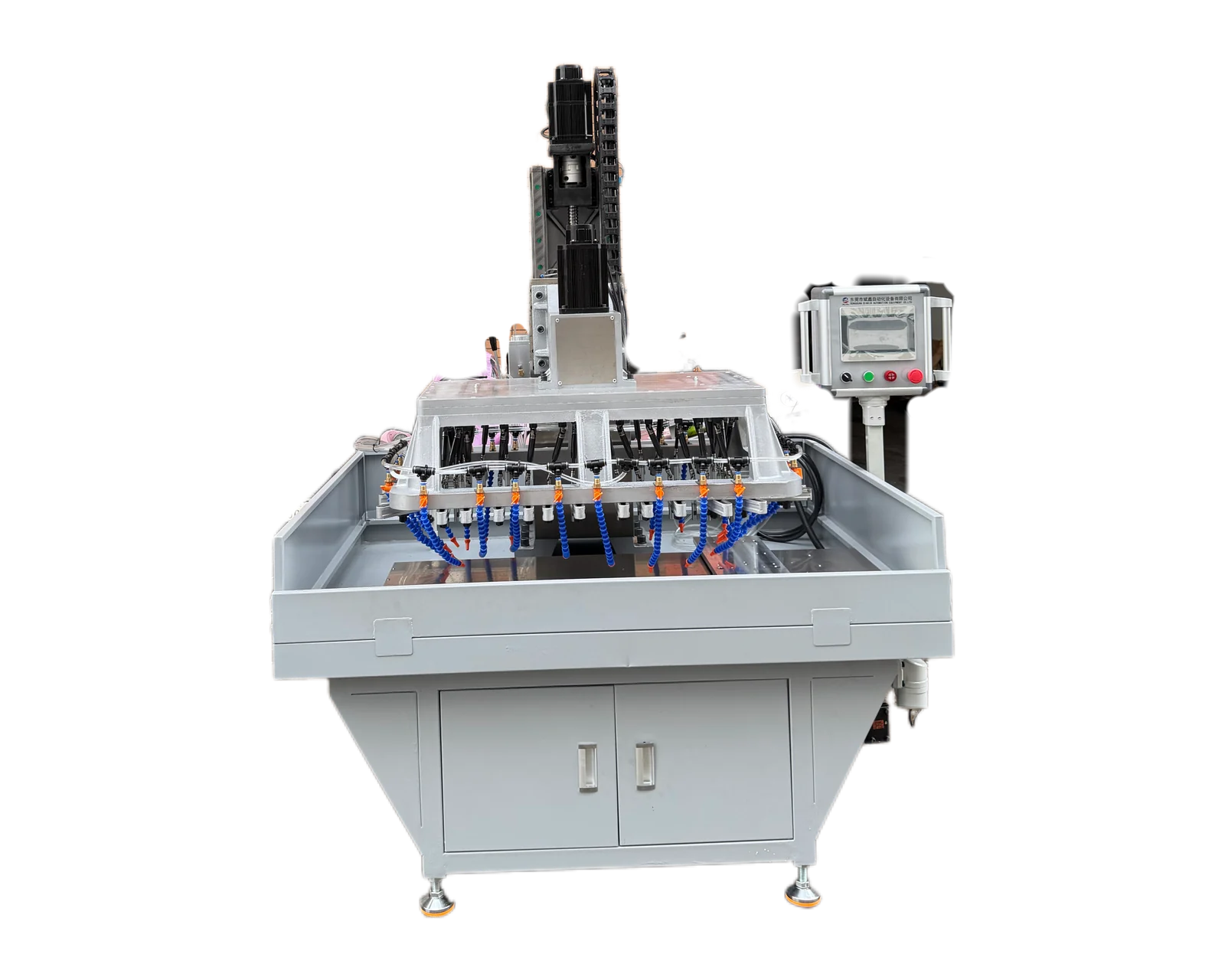
Dual-Servo Multi-Spindle Drilling & Tapping Machine →Review the published specifications and configuration options against your part drawing before requesting a quote.
Define the boundary before comparing totals
List the items included in your consumables comparison: for example, the agreed cutting tools and process supplies consumed within the machining operation. Distinguish these from reusable holders, spare assemblies and the initial machine purchase. Keep labor, utilities and other operating categories in separate identified fields if your team also tracks them.
Choose a measurement period and an output definition. Accepted parts can provide a useful denominator, but the accepted condition must be the same across the records being compared. State whether the period includes setup pieces, interrupted production and parts later rejected. Otherwise, a favorable consumption figure may simply reflect a narrower counting boundary rather than a better production result.
Collect quantities and context before applying prices
Use physical quantities first, then apply documented purchasing information for the same item and unit. Record whether each value was observed, taken from purchasing records or estimated for planning. The following fields make a comparison reviewable without inventing tool-life or price assumptions. Where a value is unavailable, leave an explicit gap and assign someone to obtain it rather than filling the cell with a generic benchmark.
Keep replacement reasons visible
Record why an item was removed or replenished, using categories agreed by the people collecting the data. A scheduled replacement, damaged tool and change to another part family should not silently become the same event. Preserve the original observation and distinguish a confirmed cause from an unresolved explanation. This allows your technical team to investigate differences without purchasing assigning an unsupported cause to the machine.
For a hypothetical comparison, one trial uses fresh tools throughout while another starts with tools of unknown prior use. Their replacement counts do not provide a fair tool-life comparison. The next action is to establish the starting condition and an agreed observation method. Do not turn the difference into a claim about either platform until the application and measurement conditions support that conclusion.
Label measured results and planning estimates separately
For a recorded period, divide the included consumable expenditure by the accepted-part count only after checking that both refer to the same boundary. Show the underlying quantities alongside the resulting figure. If purchased stock remains unused, distinguish purchases from consumption; buying a box during the trial does not mean the entire box was consumed by those parts.
A short demonstration may show that a machining sequence works without establishing a replacement interval. Ask what additional observation would be needed to support a running estimate. When your team creates a planning scenario, label its assumptions and show which inputs lack measurement. Update the scenario with actual records when available, keeping the measured result separate from the projected period.
Use the record to ask focused quotation questions
Ask each supplier to identify the proposed tooling scope and any consumables included for the agreed review. Clarify who provides replacement items during trials and which evidence will be recorded. Compare arrangements that perform the same operation on the same incoming condition. A machine quotation and a consumables record answer different questions, and both should retain their own stated scope.
Send BINSING the part drawing, material information, current tool references and available consumption records when discussing a proposed configuration. Highlight missing fields and explain the production boundary you want to compare. It also gives purchasing a practical way to request clarification without asking for an unsupported universal cost per part.