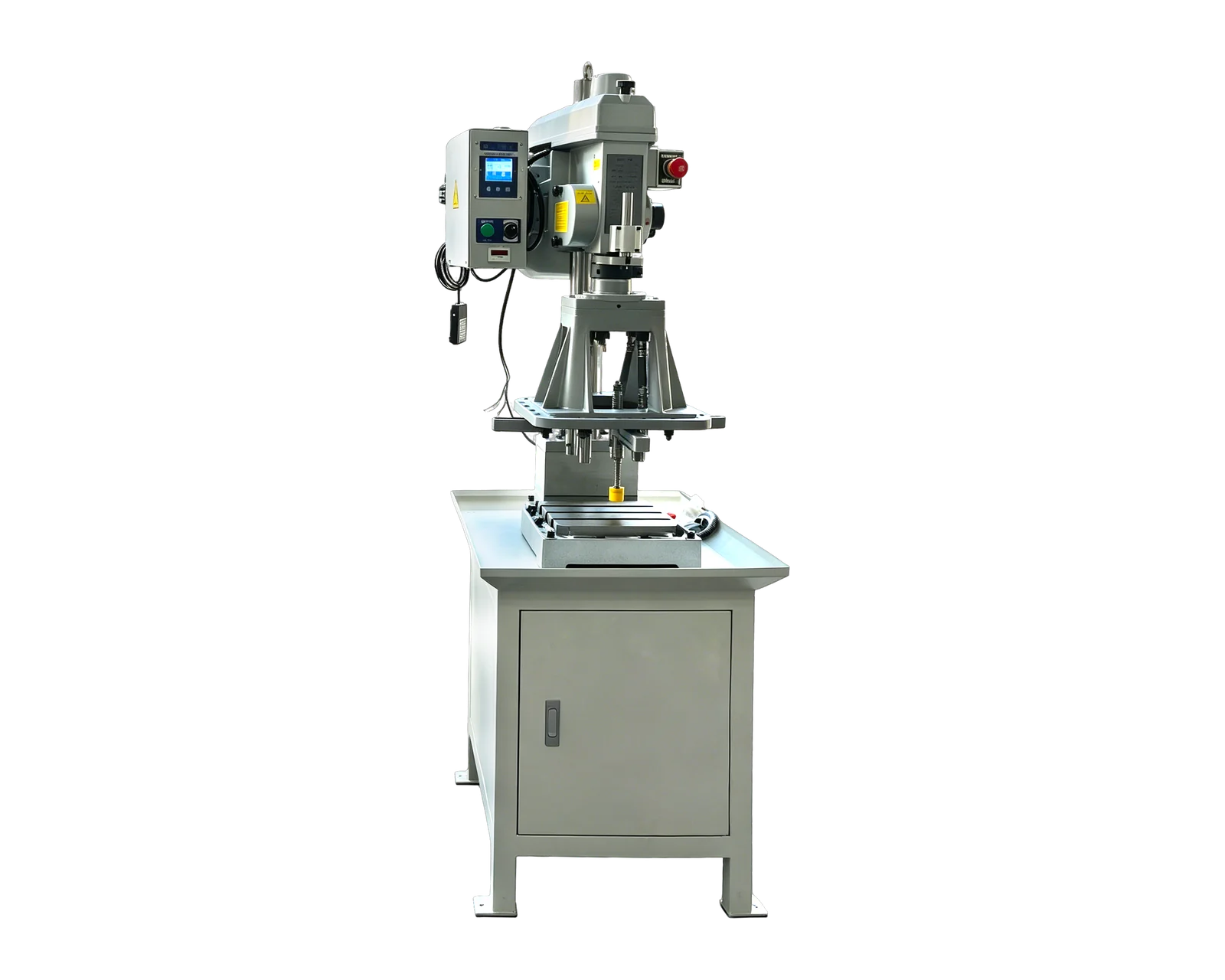
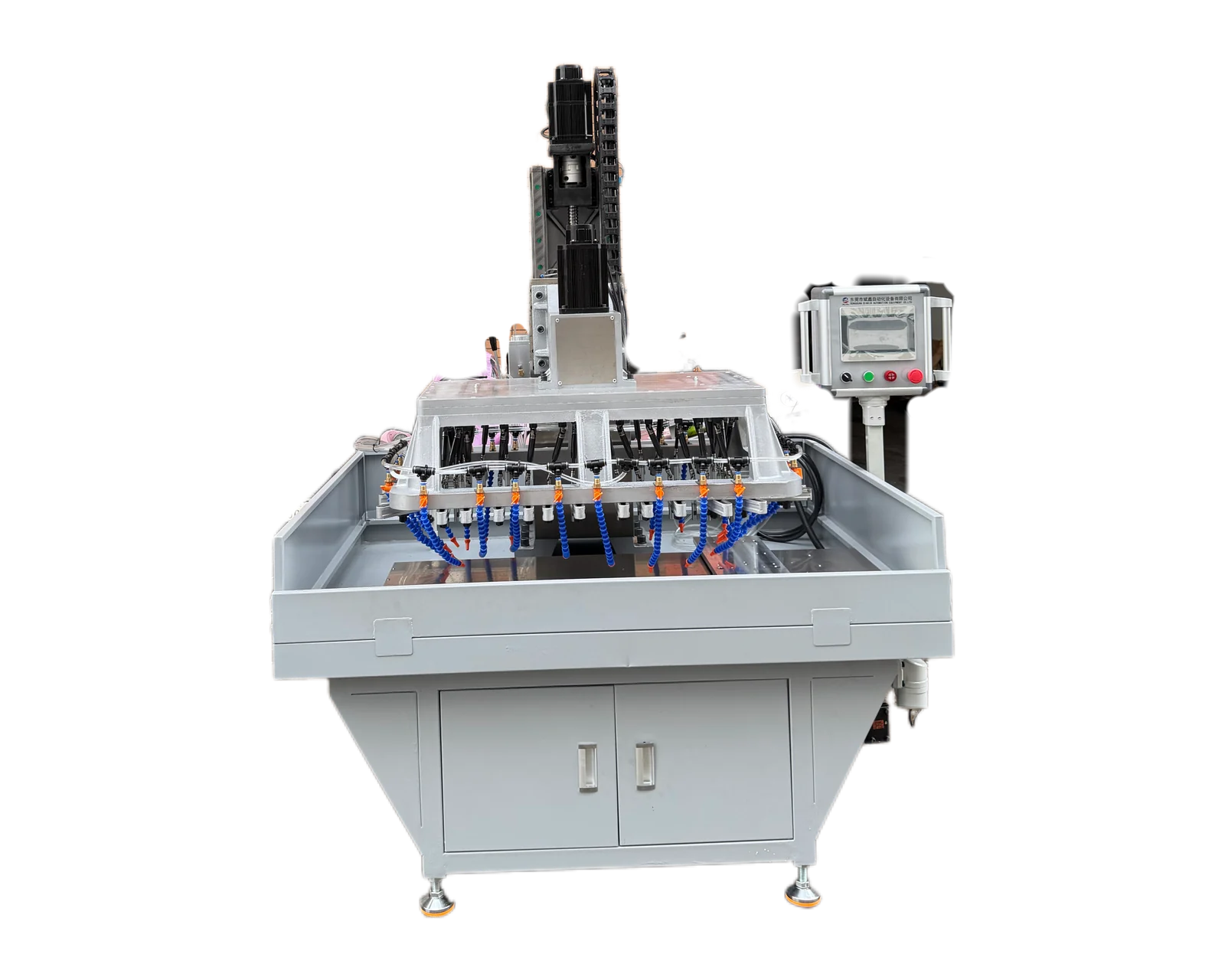
Explore equipment for your inquiry
Dual-Servo Multi-Spindle Drilling & Tapping Machine →Review the published specifications and configuration options against your part drawing before requesting a quote.
1. State why the existing part needs more machining
Describe whether the request adds a new feature to an approved component, completes an intentionally unfinished operation or addresses a recorded nonconformance. Provide the current part drawing and the document defining the requested finished state. Identify who has authority to approve that requirement and who will decide whether each incoming lot is eligible.
For a nonconforming feature, include the approved disposition or identify its release as pending. Describe the observed condition using inspection records rather than a broad phrase such as bad thread. The equipment inquiry should not prescribe an unapproved repair method. It should give the application reviewer enough information to assess the authorized operation and state what additional evidence is needed before a machine or tooling scope can be confirmed.
2. Build an incoming-state record
Existing parts can carry features, treatments, assembly items and production history absent from a new blank. Supply the incoming configuration as it will actually reach the machine. Reference available measurements and distinguish inspected facts from estimates. Where several conditions exist within a lot, identify them separately and explain how the buyer will classify the pieces before they enter the purchased process.
3. Identify what must remain unchanged
Mark existing finished surfaces, threads and assembly features that fall outside the authorized work. State any contact restrictions and reference the governing acceptance requirements. Ask the supplier to review the proposed locating concept against those requirements and the actual incoming condition. Reusing an existing feature as a reference should be an explicit engineering decision, especially when that feature is part of the reported nonconformance.
Show attached components and access restrictions in the supplied configuration. If disassembly or preparation occurs before machining, assign it clearly and describe the condition at the equipment boundary. The quote should identify included workholding and tooling without implying responsibility for all upstream preparation.
4. Keep different incoming conditions separate
Hypothetical purchasing example: one lot contains approved housings awaiting an additional mounting hole, while another contains housings with an existing hole reported outside its requirement. The first request can be assessed against the approved added-feature drawing. The second needs a defined engineering disposition before the permitted work is clear. A successful trial on the first lot does not establish that the second lot can be processed or released.
Within an authorized scope, ask which incoming conditions the proposal covers and which require further assessment. If the buyer cannot yet classify the stock, include that classification as a prerequisite rather than treating every piece as equivalent. Compare quotations using the same eligible quantity and input definition.
5. Link trial evidence to product disposition
Choose trial parts with documented incoming states and record their identities. Agree which finished characteristics will be measured and who evaluates the results against the approved requirement. Keep the machining report, incoming inspection information and engineering disposition connected. A visually acceptable sample or an operating video does not replace the required product-release decision, and evidence from one condition should not be generalized to an undefined mixture of parts.
For a BINSING inquiry, email the current drawing, authorized change, incoming-condition record and eligible production quantity. Indicate whether the proposed work is a one-time lot or a recurring process. Ask the response to separate confirmed assessment scope from questions awaiting buyer engineering approval. This provides a useful basis for evaluating equipment without making an unsupported promise that existing or nonconforming parts can be recovered.