Explore equipment for your inquiry
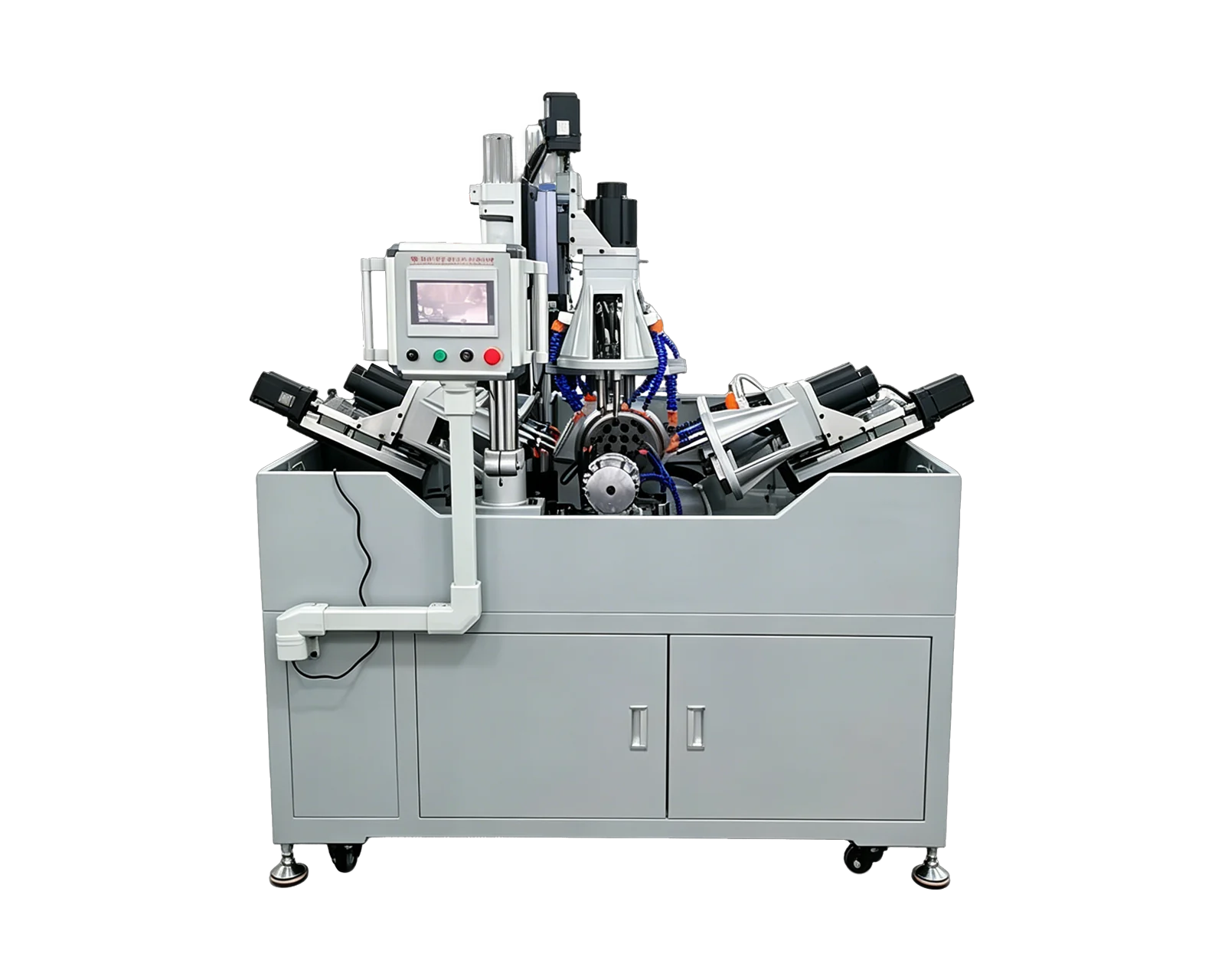
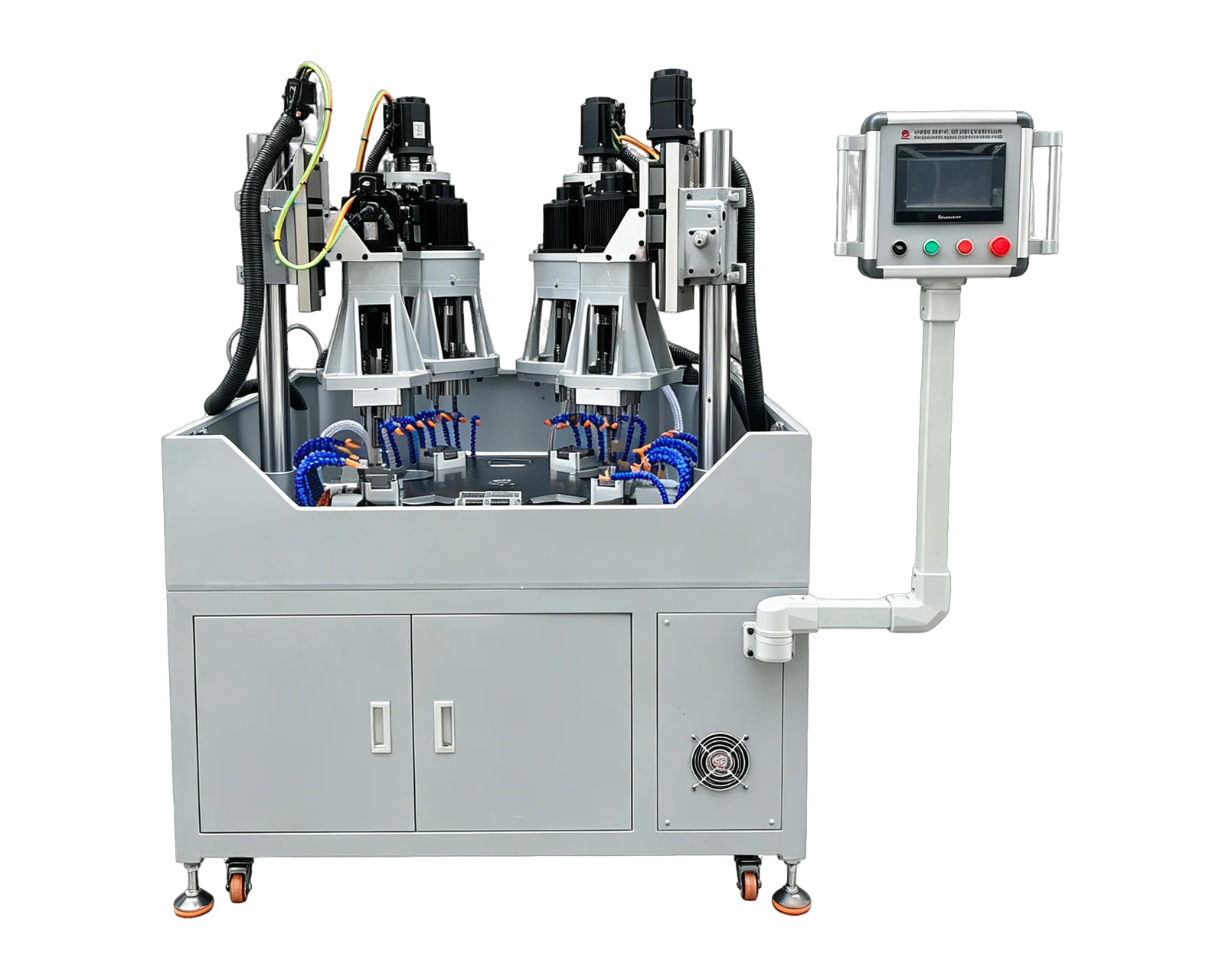
Multi-Side Drilling & Tapping →Review the layout options and required part information to define the scope of a custom equipment inquiry.
1. Describe the component actually loaded
Identify whether the inquiry concerns a body, lid, mounting piece or another individual enclosure component. Supply its drawing revision, material and actual incoming condition. A finished instrument photograph may hide the surfaces needed to understand the machining task. Include views of the empty component where available and distinguish newly requested holes from existing openings that only provide context.
State explicitly whether the part reaches the machine empty or with components, inserts, seals or other items already installed. Show the full envelope and any buyer-defined handling restrictions. A bare enclosure sample and a partly assembled production item are different inputs. Do not leave the supplier to infer the loading condition from a photograph taken at a different point in the customer's assembly route.
2. Build a face-by-face opening schedule
Give the faces stable identifiers tied to the controlled drawing views. For each version, state the requested features and the openings that must remain absent. Preserve complete thread and hole requirements and identify any larger openings or other work performed outside this quotation. The purpose is to make the variant difference checkable, especially where two components share the same exterior outline.
3. Keep existing finish and later restoration visible
Describe which surfaces are already finished before machining and give the acceptance criteria for those surfaces where relevant. Mark protected appearance areas and any restrictions around existing openings. Ask the supplier to identify the proposed contact and transfer assumptions. A general request to avoid scratches does not tell the parties how the submitted sample condition or the outgoing condition will be assessed.
If the approved manufacturing route includes work on exposed edges or restoration of finish after machining, name the responsible process and its owner. Keep that work separate from the hole and thread operations unless it is explicitly included. Likewise, specify the required removal of machining debris and the handover state before any sensitive items are installed. Do not assume that a component described as finished is already ready for instrument assembly.
4. Separate opening options from assembly options
Hypothetical purchasing example: two instrument enclosure bodies have the same size and coating, but one version needs mounting threads on a side face while the other must leave that face unopened. A third order uses the first opening pattern but arrives with an insert already fitted. These are two different kinds of variation: feature coverage and incoming assembly state. Both belong in the review, even if sales groups all three under one enclosure family.
List the versions independently and label the submitted samples accordingly. Ask the quotation to identify the reviewed loading states and the means of distinguishing the operation variants in its proposed scope. Do not accept a demonstration on an empty body as complete evidence for an unreviewed assembled input. This example describes a procurement question, not a claim about a particular BINSING enclosure installation.
5. Define what machining acceptance will establish
Specify the hole, thread and location checks required by the drawing, together with any agreed inspection of preserved surfaces. Keep appearance evidence linked to the condition before and after the trial. If the enclosure product has a protection-rating requirement or another assembly-level assessment, assign that evaluation separately. A successful machining demonstration cannot establish the enclosure's protection rating or the finished instrument's operating performance.
Email BINSING the component drawings, face schedule, incoming finish and assembly-state photographs. Include quantities by opening version and the required discharge condition. Ask for the covered features, handling assumptions and outside operations to be identified. A multi-side concept can then be discussed against the actual face arrangement, while the buyer retains a clear view of what remains with finishing, assembly and product verification.