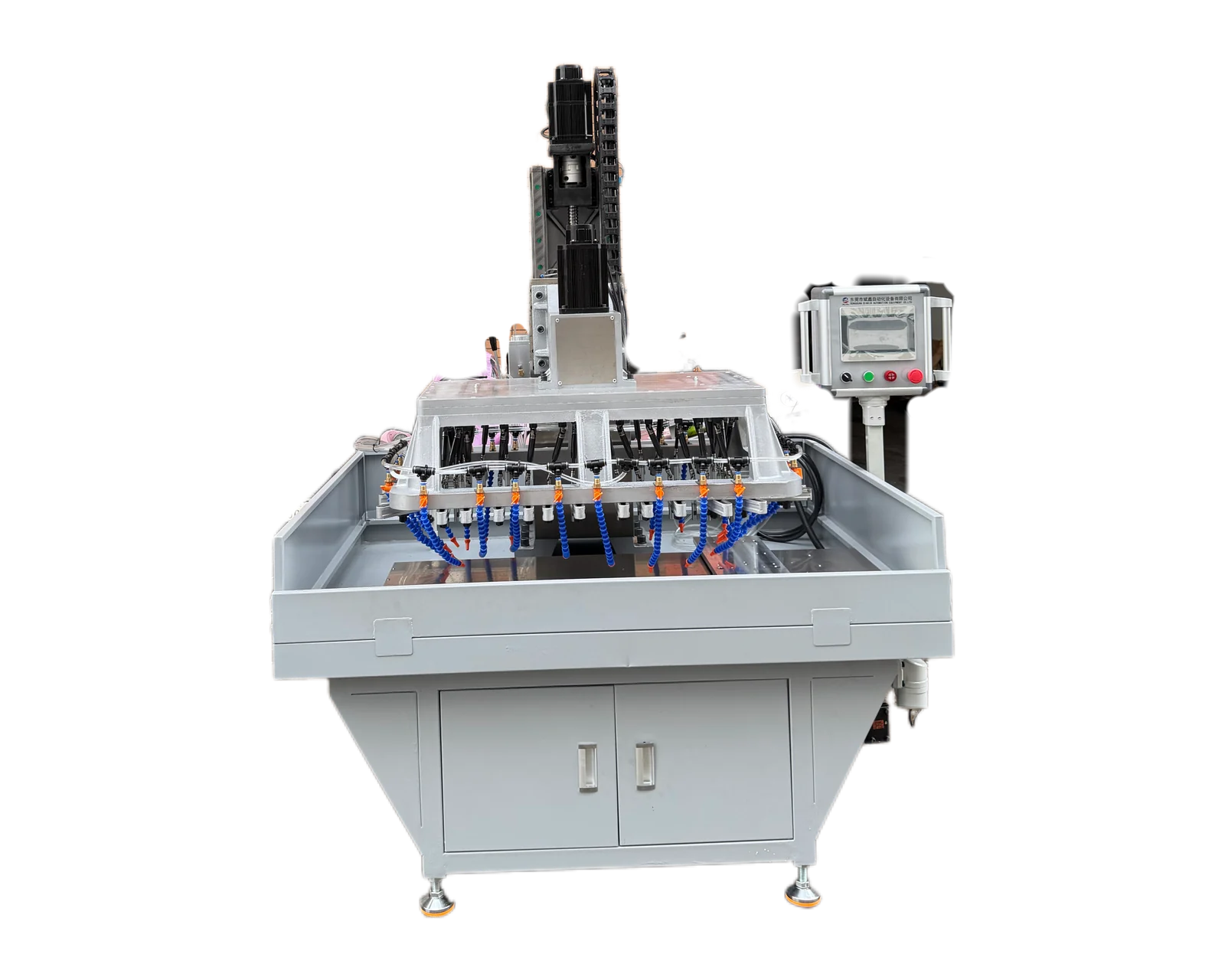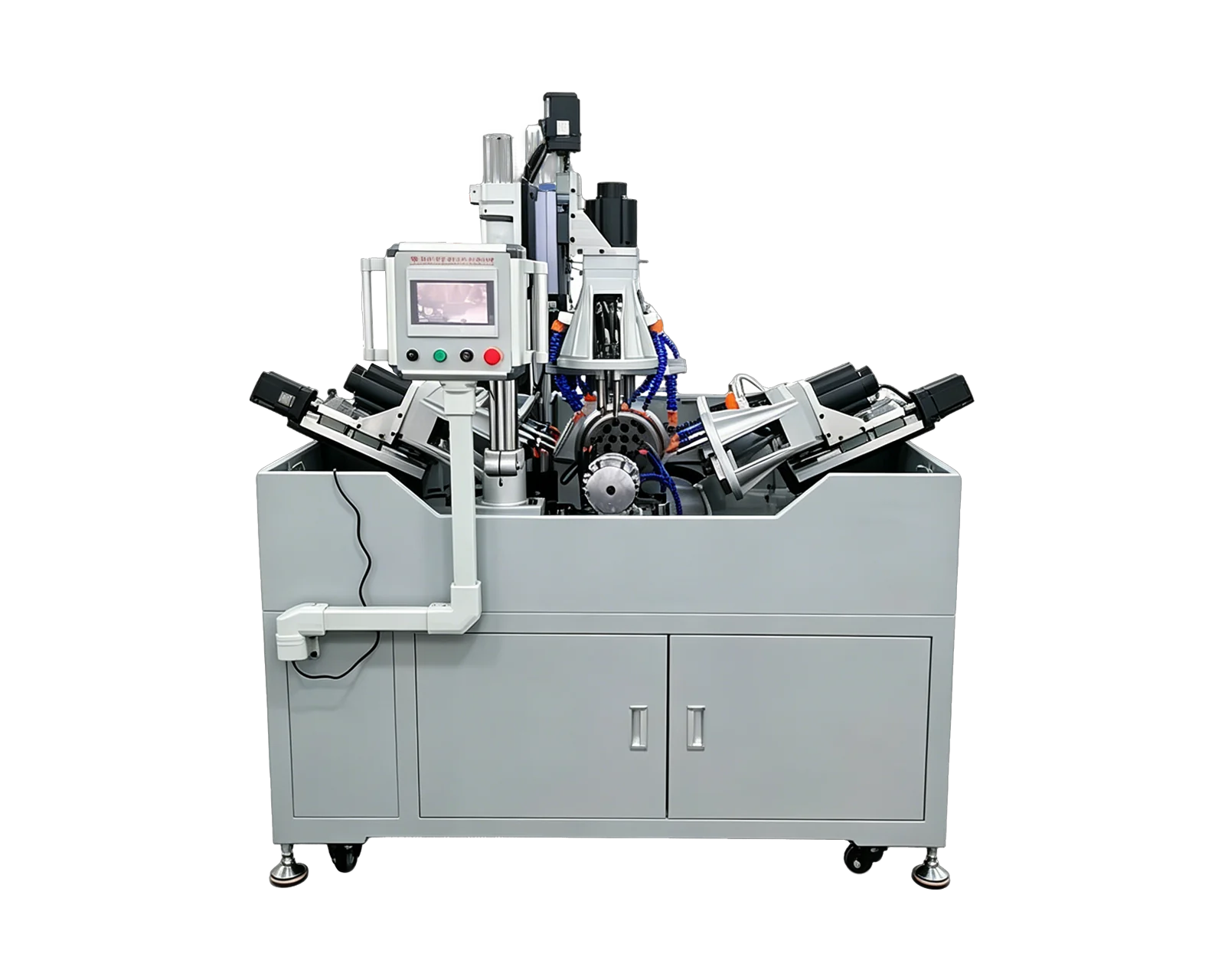
Explore equipment for your inquiry
Multi-Side Drilling & Tapping →Review the layout options and required part information to define the scope of a custom equipment inquiry.
1. Quote the cover and base as distinct workpieces
Begin with separate drawings and part numbers for the cover, base and any other housing component included in the inquiry. Mark the assembly holes or threads to be made in each. State whether these items arrive as separate parts or in another condition, and provide views of the actual incoming workpiece.
Identify which component carries each fixing thread and which carries the corresponding clearance feature according to the released design. Provide relevant interface information where needed to interpret that relationship. Keep purchased inserts, installed hardware and already completed holes visible in the scope record. Their presence should not lead the supplier to assume that installation, replacement or additional machining is included without an explicit requirement.
2. Record the manufacturing stage on both sides of the joint
Cover and base components may reach the requested operation at different manufacturing stages. Record the condition separately for each rather than describing the entire housing as finished or unfinished. Link the following entries to controlled drawings and buyer requirements.
3. Assign finish and sealing requirements to clear owners
Provide the buyer's requirements for appearance and the condition of existing treated surfaces at machining handover. Where a hole or thread intersects a treated region, ask the responsible technical team to define the approved outgoing condition and any later work. Do not leave the equipment supplier to infer whether a local surface change is acceptable from a general photograph of the lighting product.
Mark existing joint faces or seal-contact areas and state any restrictions on fixture contact. Distinguish preservation checks from tests of an assembled housing. If the purchase includes a sealing-related demonstration, specify the components, assembly state, acceptance document and party responsible for that work. Neither a quoted thread operation nor an unspecified sample fit establishes a protection rating, electrical conformity or other certification for the finished light.
4. Resolve a cover and base mismatch before trial
Hypothetical purchasing example: a buyer sends a treated cover from one revision and an untreated base from another. The main outline looks similar, but the assembly-hole register identifies a changed fixing location. A trial using that pair would not establish coverage for the intended production combination. The inquiry needs the approved component pairing, revision information and actual treatment stages before the requested evidence can be defined.
Ask whether the available samples represent the released cover and base combination. If they do not, state the limits of any preliminary review and obtain the missing information. This scenario focuses on the mechanical housing joint and assembly-hole responsibilities. It is not a BINSING customer case and does not concern selecting optical components, predicting illumination, or validating the electrical and environmental behavior of a lighting assembly.
5. Compare proposals at the same component handover
Request a list of newly machined features for each housing component, the required incoming state and the agreed discharge condition. Identify cleaning, treatment, hardware installation and assembly work that remain elsewhere. If the proposal covers only the base, retain the cover as interface information rather than representing both components as demonstrated machine coverage. The comparison should show exactly what manufacturing work moves into the quoted equipment.
Email BINSING the cover and base drawings, approved pairing, treatment-stage information and assembly-hole register. Add the quantity mix, photographs and preservation requirements. Ask for an application review with stated operations, component coverage and unresolved dependencies. A standard platform or a custom arrangement can then be considered against the actual machining task, while the finished lighting product remains subject to the separately assigned assembly and verification requirements.