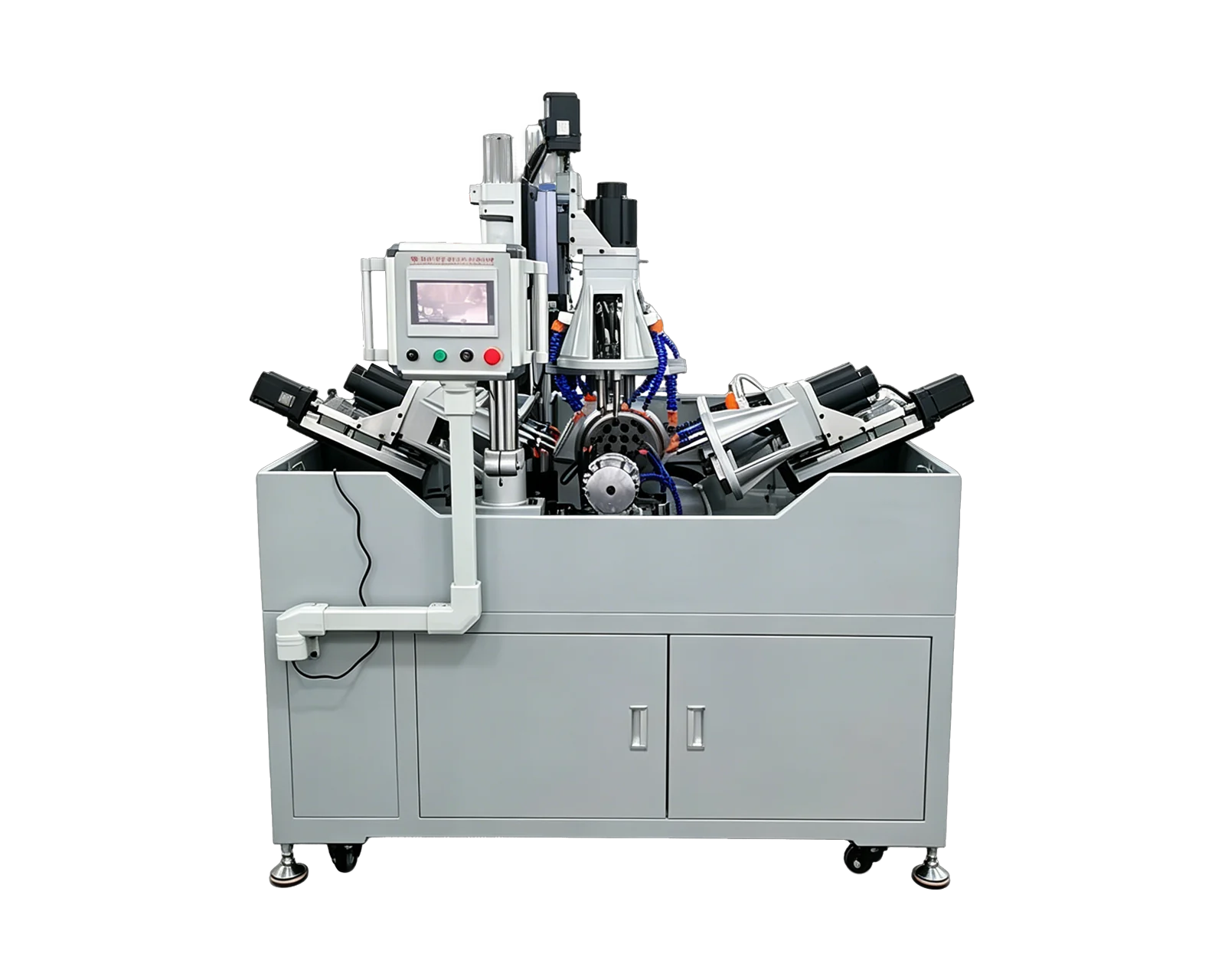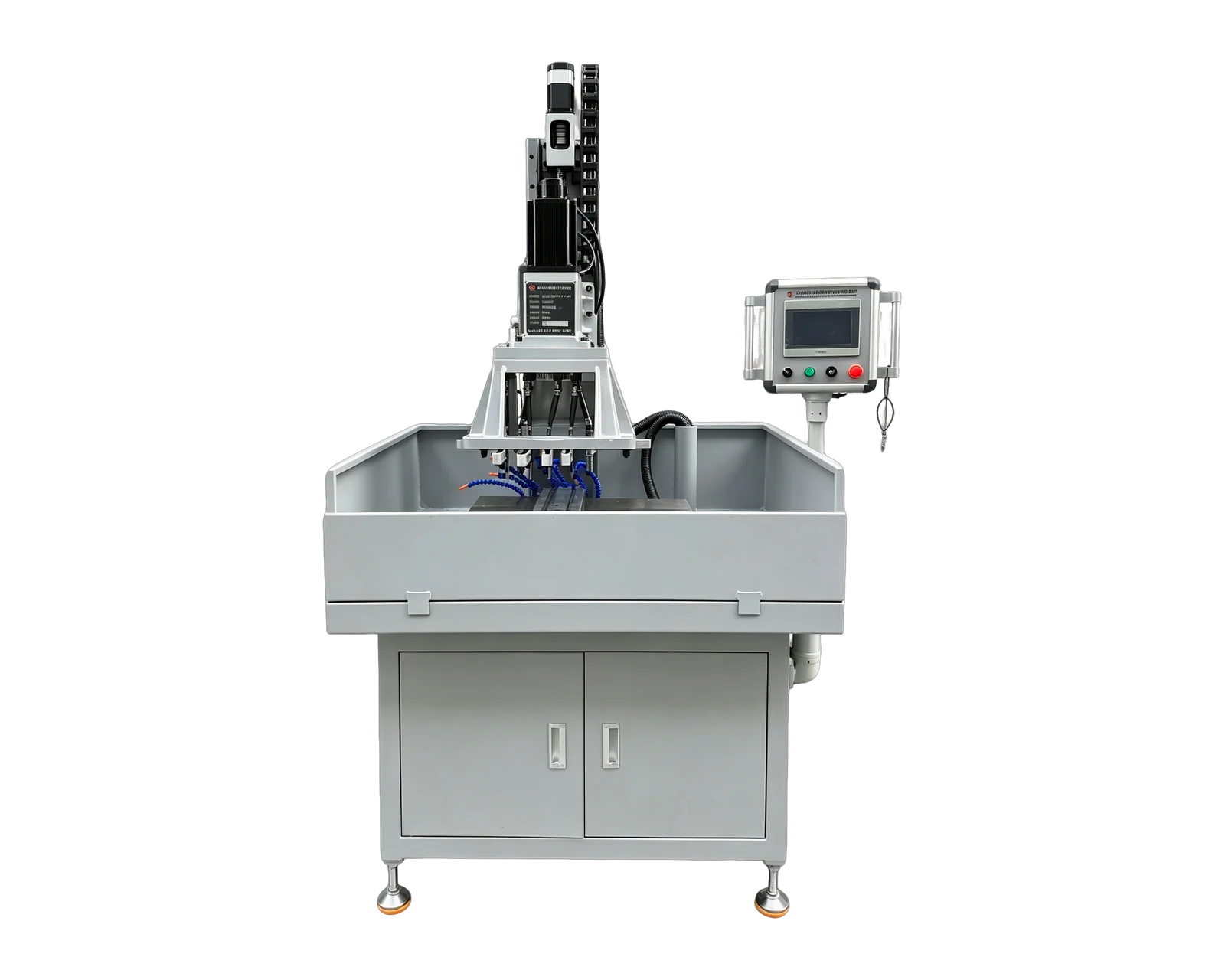
Explore equipment for your inquiry
Dual-Servo Multi-Spindle Drilling & Tapping Machine →Review the published specifications and configuration options against your part drawing before requesting a quote.
1. Identify the approved sequence and open decisions
Write a short route from incoming blank to released component, placing drilling, tapping, cleaning, surface treatment and final inspection in their intended order. Name the owner of each step. If the sequence is still being evaluated, label the alternatives instead of combining them into one machine requirement. A supplier needs to know which condition it is being asked to receive and which outcome it must deliver.
Provide the material designation, treatment specification and any relevant incoming records available to the project. Ask the responsible design or process authority to resolve requirements that depend on the treatment stage. Avoid asking an equipment quotation to settle an ambiguous finished-hole or thread definition. Record the approved interpretation alongside the drawing so purchasing, machining and the treatment provider work from the same requirement.
2. Separate incoming, machine-exit and final conditions
Use separate columns for what enters the proposed machine, what leaves it and what is accepted after all remaining processes. This prevents a final product requirement from being assigned silently to an intermediate machining operation. For each feature, identify the applicable drawing reference and the party responsible for confirming its condition at the named stage.
3. Specify protected faces and remaining work
Mark surfaces with appearance or contact restrictions on a drawing or photograph. State how those requirements are judged, using an approved specification or agreed reference where available. Ask the fixture and handling proposal to address the identified restrictions. A general instruction to avoid damage leaves suppliers uncertain about the inspected surfaces and the condition expected at handover.
List any masking, protection removal, cleaning, touch-up or subsequent finishing work that the approved route requires. Assign it explicitly rather than assuming it is part of drilling and tapping. The need and method for such work belong to the responsible process owners. The quotation should say which reviewed tasks are included and which must be completed elsewhere before the finished component is released.
4. Compare offers against the same process stage
Hypothetical purchasing example: the buyer supplies a finished-part drawing to two vendors, but one quotation assumes machining untreated blanks while the other assumes that treated blanks arrive ready for machining. Both may describe the same hole count and thread callouts, yet their incoming assumptions and acceptance boundaries differ. Resolve those differences before using the prices to select equipment.
For an alternative sequence under consideration, request a separate scope response. Identify which requirements are already approved and which need further product or process review. Keep any proposed trial tied to its specific incoming condition. A satisfactory result on one condition does not by itself establish that the other route is covered by the same tooling, workholding or acceptance agreement.
5. Preserve stage identity in the sample records
Label samples with the part revision, supplied condition, route and inspection stage. Where final acceptance occurs after another supplier's operation, agree how the later result will be connected to the earlier machining record. This makes it possible to review the complete route without treating an intermediate measurement as proof of the released component's final condition.
For a BINSING inquiry, send the route, approved drawing interpretation and the condition of the samples available for review. Include protected-surface requirements and remaining work outside the machine. Ask for a proposal that names the incoming state and machining deliverable explicitly. That gives the equipment discussion a defined boundary while keeping product and treatment decisions with the people responsible for them.