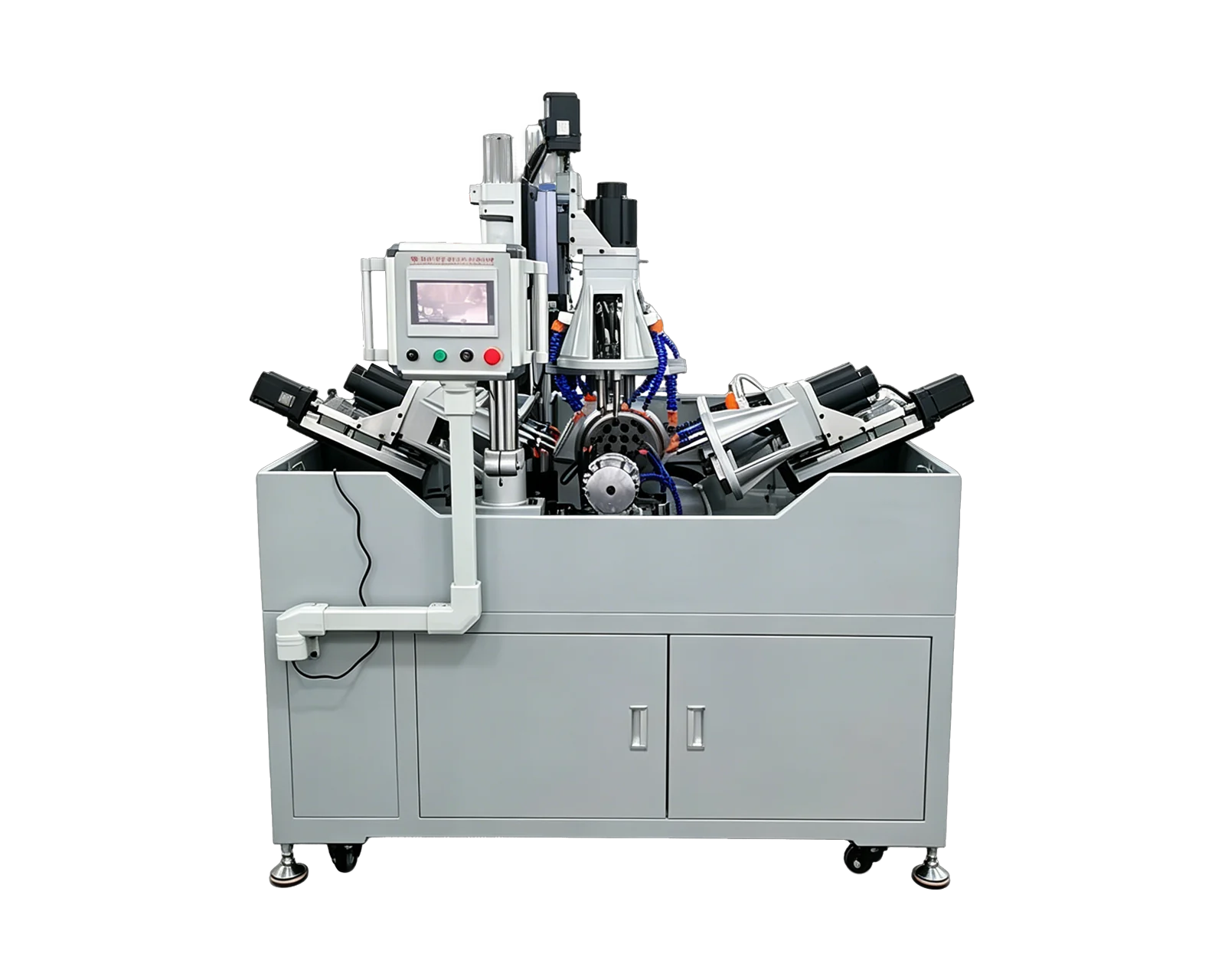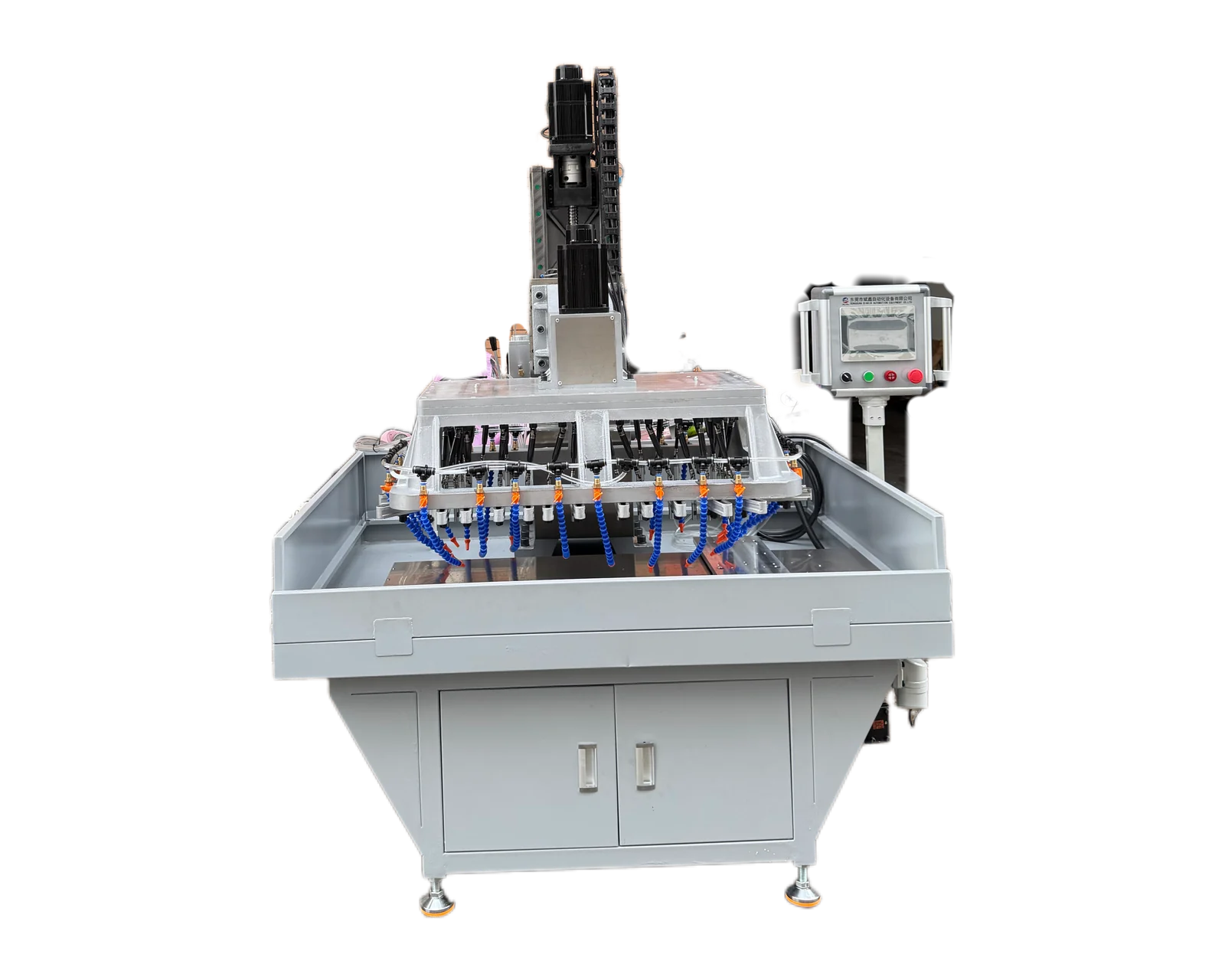
Explore equipment for your inquiry
Servo Traverse Multi-Spindle Drilling & Tapping Machine →Review the published specifications and configuration options against your part drawing before requesting a quote.
1. Identify the support that will enter the machine
A linear rail support may be a short bracket, a long machined member or one component of an assembled structure. Identify the actual item to be loaded and supply its material, revision and incoming-stage photographs. Show whether the mounting face and any reference shoulder already exist.
Mark the requested holes and threads on that drawing. If another supplier produces the reference shoulder, finishes the mounting face or prepares locating features, identify that responsibility explicitly. The drilling and tapping quotation should describe what arrives complete, what the proposed machine adds and what remains for a later operation.
2. Connect each feature to its controlled interface
Attach the relevant purchased rail interface information with its identifier and revision, then identify the controlled support drawing that translates those requirements into the component design. The machine supplier should not have to choose between an old rail leaflet and a newer support model. Record unresolved differences for the responsible designer before accepting a quotation assumption as a design decision.
3. Describe length and pattern changes separately
For a support family, list overall form, hole pattern, material and incoming reference condition for each version. A longer support may carry additional holes, a different end pattern or a changed feature relationship. State those changes explicitly rather than describing all versions as the same part in different lengths. Give the expected batch quantities so the proposal can address the actual mix and the changeover items that need review.
Ask which surfaces the proposed arrangement assumes for positioning and which versions need representative samples. Identify finished surfaces that the buyer requires to be preserved and the inspection condition used to judge them. These are inputs to application review, not claims that a particular fixture or machine automatically covers every rail support. Keep any proposed shared arrangement tied to the versions specifically included in the supplier's response.
4. Resolve a rail revision before trial approval
Hypothetical purchasing example: the support drawing refers to one purchased rail version, while the buyer sends a replacement rail with a different mounting pattern. The support sample still follows the original drawing. A successful trial on that sample would demonstrate only the stated support features; it would not settle which rail interface the production part should use. Label the mismatch and ask the responsible designer to release the intended combination.
Once the combination is defined, update the feature list and identify whether new samples are required. Preserve the earlier trial record with its original revision instead of relabeling it as evidence for the revised part. This example concerns document and sample agreement. It does not establish rail alignment, running accuracy or assembly performance, which must be defined and evaluated separately by the responsible product team.
5. Request machining evidence with a clear endpoint
Agree the inspection scope for the holes and threads and identify any locating or surface checks performed by another process owner. State whether the trial uses a loose support or an assembly and which condition the drawing requires for measurement. If a rail is supplied for an interface review, record its identity and purpose so its presence does not silently expand the acceptance scope.
Email BINSING the support drawings, rail interface references, version list and incoming-stage photographs. Ask for a drilling and tapping assessment that identifies included features, proposed changeover scope and missing evidence. Keep the requested component results separate from later installation and motion checks. A useful response should make the machining boundary understandable before the buyer compares equipment arrangements or discusses a production trial.