Explore equipment for your inquiry
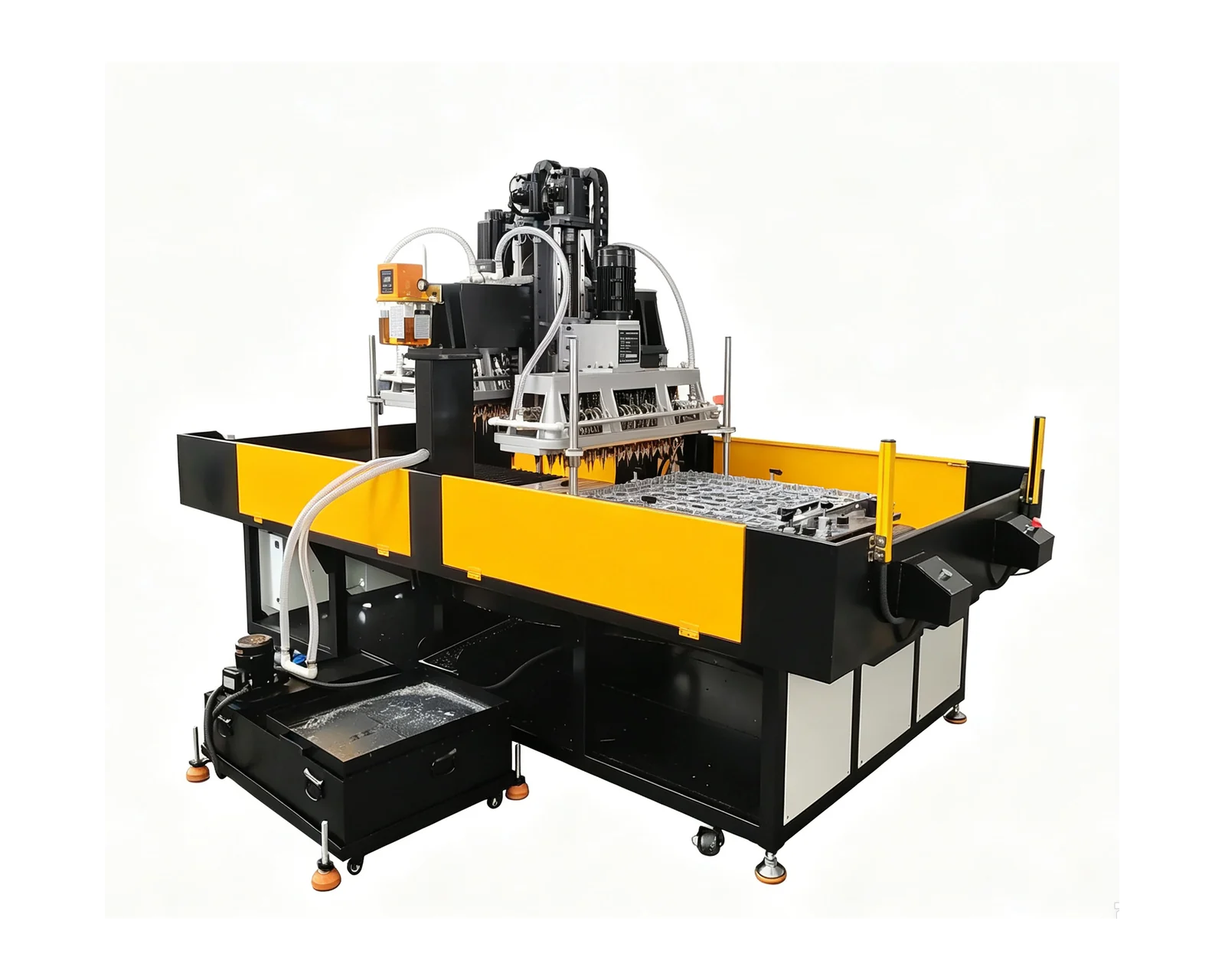
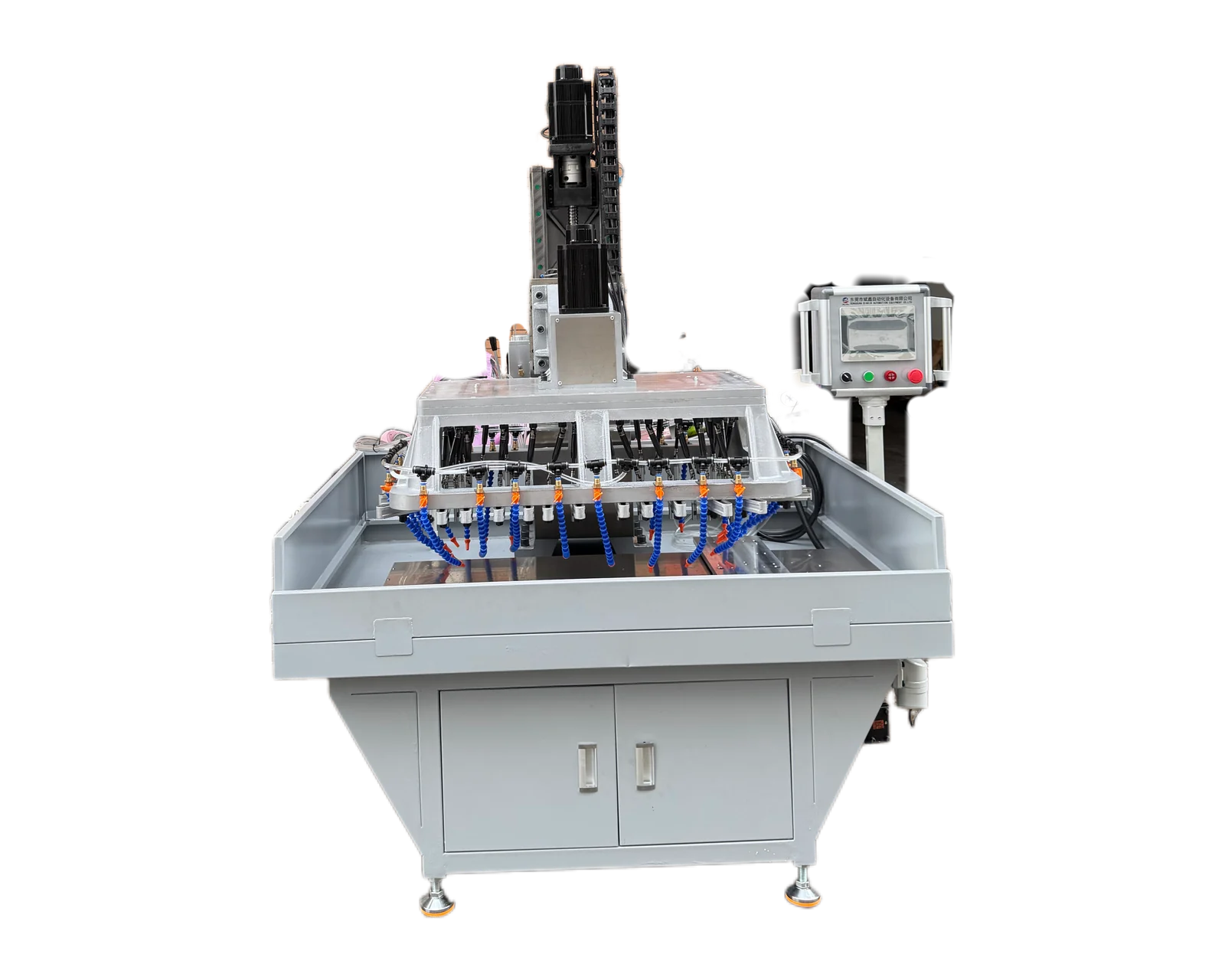
Servo Traverse Multi-Spindle Drilling & Tapping Machine →Review the published specifications and configuration options against your part drawing before requesting a quote.
1. Describe the incoming profile, including its ends
Send a dimensioned drawing of the profile as it arrives for machining. Identify its section, material, length range and the end condition used for location. Distinguish cut-to-length blanks from parts requiring another preparation step. Where straightness, twist or end variation is relevant, supply the incoming limits or measured information available to your team. An overall finished length does not describe all the conditions the fixture will receive.
Mark areas that may be supported and surfaces that must remain free of contact marks. Include projecting features, open channels and protective packaging removed before machining. Explain whether every blank shares one cross-section or whether the inquiry covers several profiles. This lets the supplier evaluate the holding concept against the actual incoming family instead of assuming that all long components behave as one part.
2. Map every hole to its reference and part position
Label the holes and provide their drawing references. Identify relationships to an end, a profile face or another hole, using the approved drawing rather than a simplified spacing sketch alone. Request a proposed coverage map showing where the workpiece sits for each group of features. The map should make any release and repositioning visible before a machine arrangement is selected.
3. Include supports beyond the machine footprint
A purchasing layout should show the whole component during loading, machining and removal. Ask whether proposed supports are integral to the machine, separately supplied or provided by the buyer. Identify how those items relate to the reviewed part lengths. The machine base dimensions are not a substitute for the working area occupied by a long blank and the people or equipment handling it.
Keep the support design with the equipment supplier and the handling assessment with the responsible project teams. The buyer's useful contribution is a clear boundary: available access routes, incoming presentation, finished-part destination and any restrictions on contact. Ask for a layout review that includes these conditions rather than planning a support arrangement after the equipment has already been ordered.
4. Compare routes using the same complete hole map
Hypothetical purchasing example: two lengths of one profile share a hole group near one end, while the longer version has another group farther along. One quotation covers the first group in one location; another includes the additional coverage. A price comparison based only on the shared holes conceals the work still needed for the longer component. List each length and its complete feature set separately.
Compare a fixed multi-spindle arrangement where its reviewed coverage is sufficient, a traverse platform where additional positions are required, and a custom gantry concept where the processing area and support arrangement call for a custom review. Ask each supplier to explain the included positions, handling steps and fixtures. Where a route requires repositioning, identify the drawing relationships crossing that transfer. Do not infer achievable hole relationships from a photograph of a similar machine.
5. Review evidence across the purchased length range
Choose trial conditions that address the important differences within the requested family. The longest part may raise one access question, while a shorter variant may use different locating or support features. Agree which cases require evidence and identify any remaining coverage based on engineering review. Record the profile identity, incoming condition and complete hole inspection results against the offered configuration.
For a BINSING inquiry, include the profile drawing, length list and an annotated hole map. Add a simple floor-layout sketch showing loading and removal directions. Request a response that distinguishes the machine, external supports and handling scope. Those details help purchasing compare a standard platform with a custom arrangement while keeping the same finished-part requirement in view.