Explore equipment for your inquiry
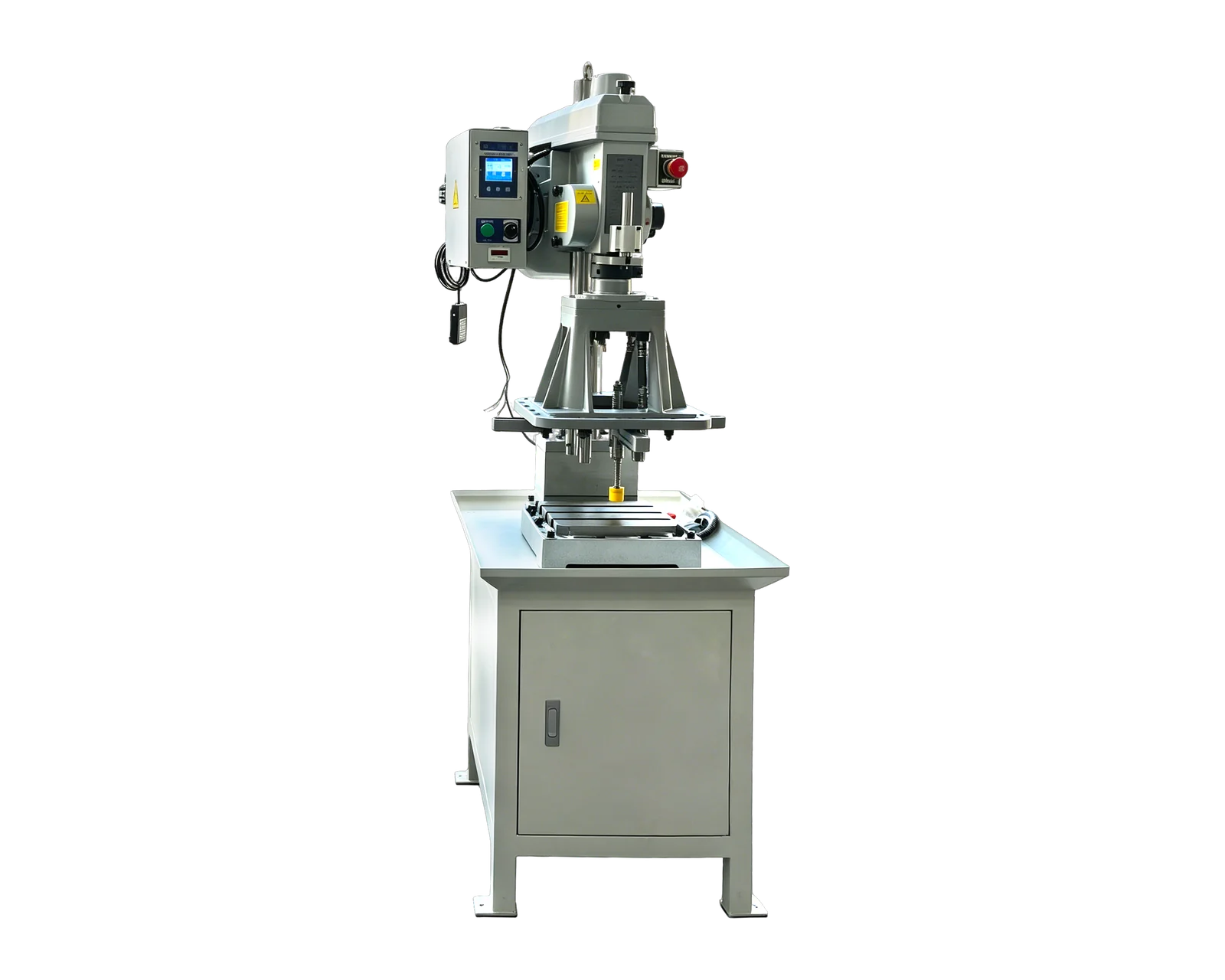
Servo Traverse Multi-Spindle Drilling & Tapping Machine →Review the published specifications and configuration options against your part drawing before requesting a quote.
Define which profile and operation you are comparing
This comparison concerns drilled features on metal window or door profiles, especially extruded aluminum members. It does not establish a process for PVC profiles or the performance of an assembled window. Identify the section, material state, finish, finished lengths and named hole groups. Keep drainage openings, slots and other features separate where they require operations outside the proposed drilling scope.
Hydro identifies sawing and drilling as fabrication operations for extruded profiles. It does not prescribe a universal sequence between them. The route comparison below is an original purchasing framework: your product drawing, production mix and reviewed machine concepts determine which order is appropriate. Neither long-stock drilling nor cut-part drilling should be presented as automatically more accurate or economical.
For drilling first, connect holes to the later cuts
Create a stock layout showing each finished member, its orientation, planned cuts and assigned hole group. Have the process owner include the relevant cutting allowance and stock remnants in the layout. Identify which cut face becomes the finished reference for each member and how its relationship to the already-drilled features will be inspected.
Ask what happens when an upstream drilling result is rejected before the stock is cut. Establish how the affected member or stock length remains identifiable and how the cutting plan is updated. Include access for loading and removing the full stock length, intermediate storage and the transfer to the saw. Those tasks can be outside the drilling machine while still essential to the purchased route.
For cutting first, define the part presented to the fixture
List the finished or intermediate lengths entering drilling, including angled ends and handed versions where applicable. Show which end and section surfaces are used for orientation. Distinguish holes referenced from an end from holes related to another feature. A convenient stop in a concept sketch is not a substitute for checking those drawing relationships.
Plan containers and identification for similar members before comparing loading time. Short cut parts may need different support from long members, while paired left and right parts require a clear identity. State whether protective wrapping or surface finishing occurs before or after drilling so both proposals include the same handling constraints.
Keep any end tapping as a named downstream or included operation, with its own port map. Do not treat an end thread, a side drilled hole and a milled slot as interchangeable work because they appear on the same finished member. This makes the inquiry useful when comparing a drilling station with a proposal containing additional operations.
Compare the complete route with one matrix
Fill this original matrix using supplier responses and your production records. The entries describe questions to resolve, not measured advantages of either route. Keep unknown handling time or reject allocation visible until the relevant trial supplies evidence.
Trial the final members and the intended order mix
In a hypothetical order with several lengths, a long-stock demonstration using one repeated length does not represent every cut layout. Conversely, a cut-part trial using one easy-to-identify member does not establish mixed-order handling. Choose representative cases with the process and quality owners and retain the mapping from stock or incoming part to finished member.
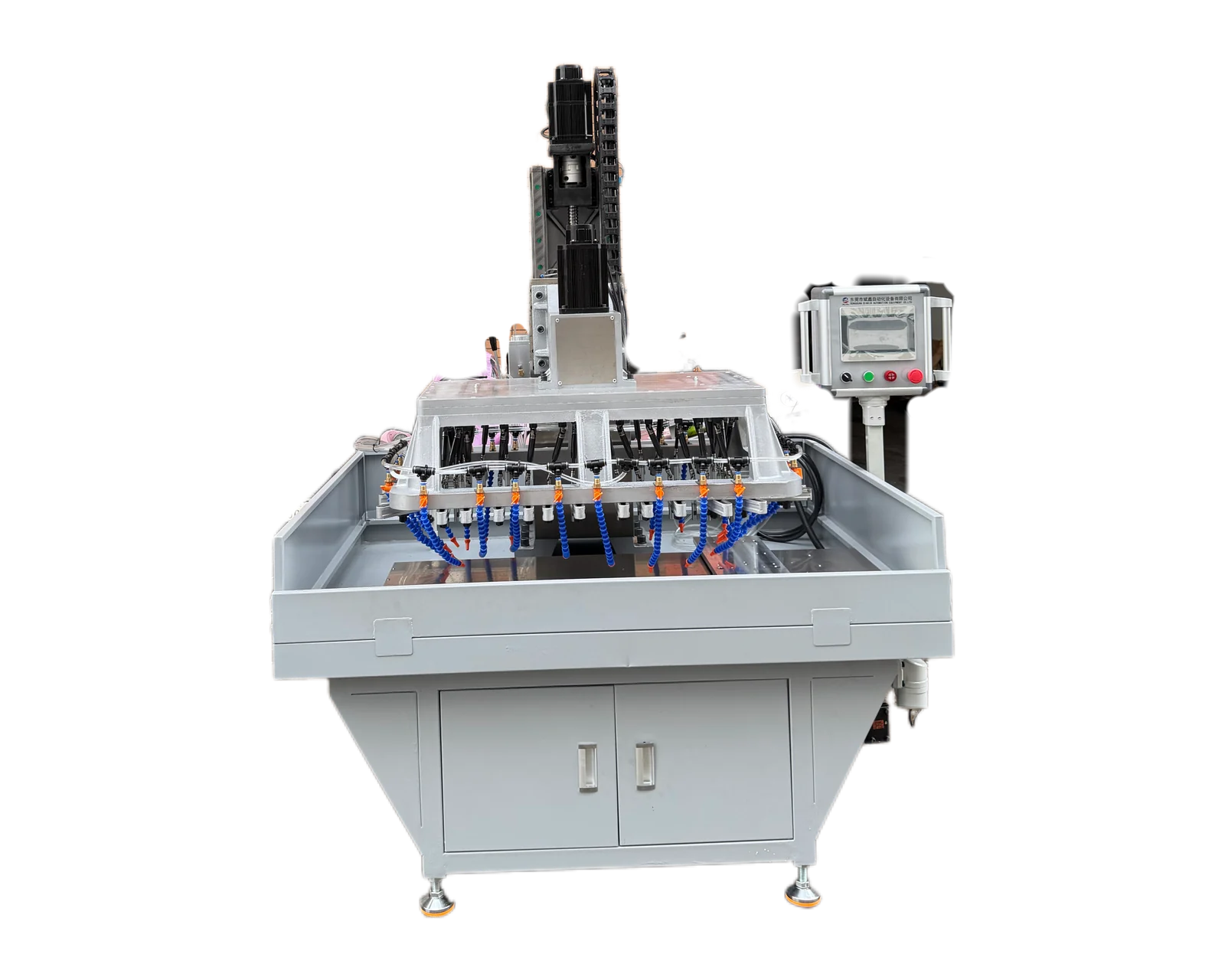
Send BINSING the finished member list, section drawing, hole maps and a sketch of both proposed routes. Ask the response to identify included machining, external sawing, supports and transfer responsibilities. Review a servo-traverse drilling platform when the chosen route needs machining at several positions; use a custom-layout review where the required working area and handling call for it. The proposal must still confirm the movement, reach and fixtures for your members.
Select the incoming state here, then use the long-profile coverage guide to review the full hole map and supports for that state. Final window assembly requirements and performance checks remain separately defined; a drilling demonstration establishes only the features and conditions actually evaluated.