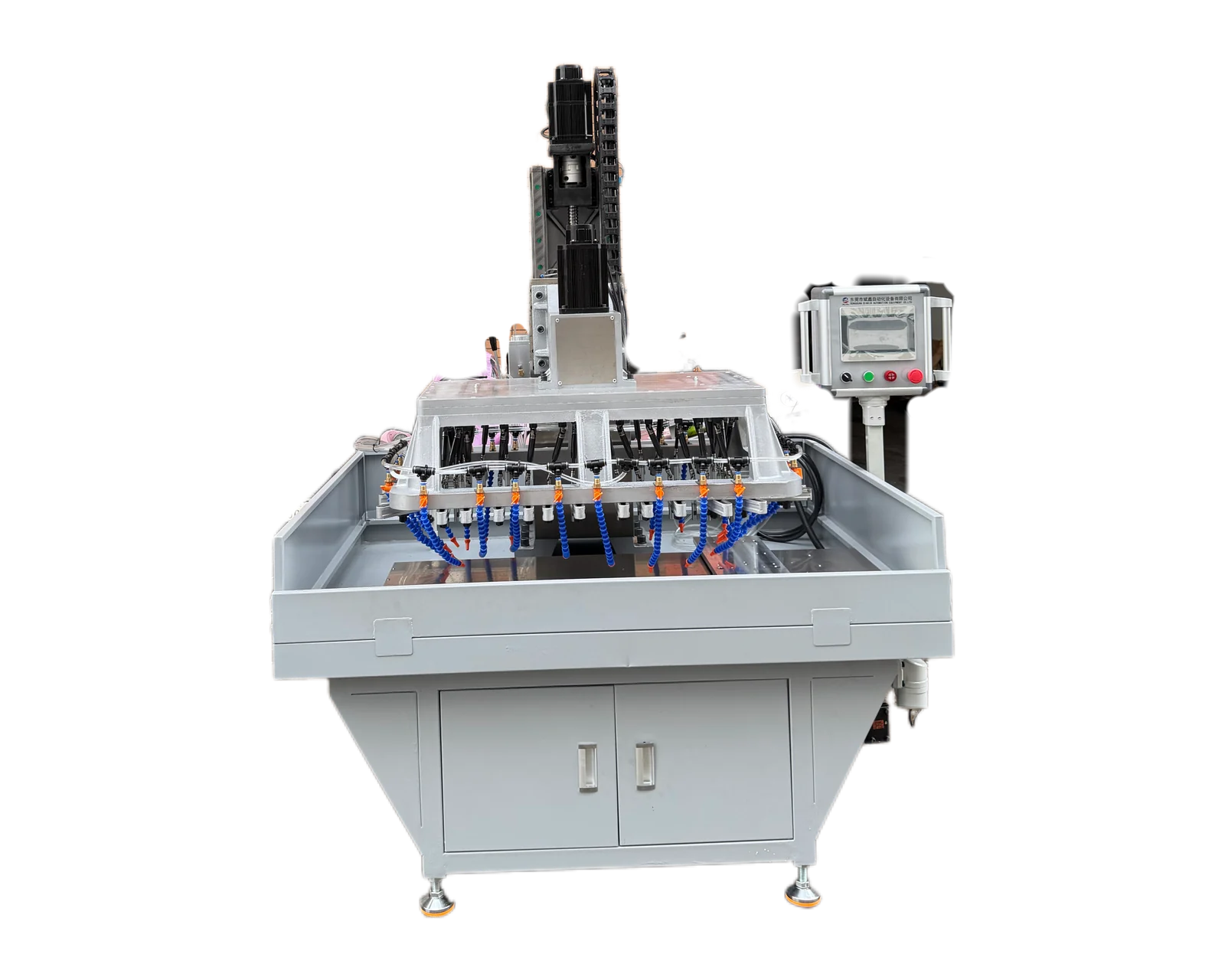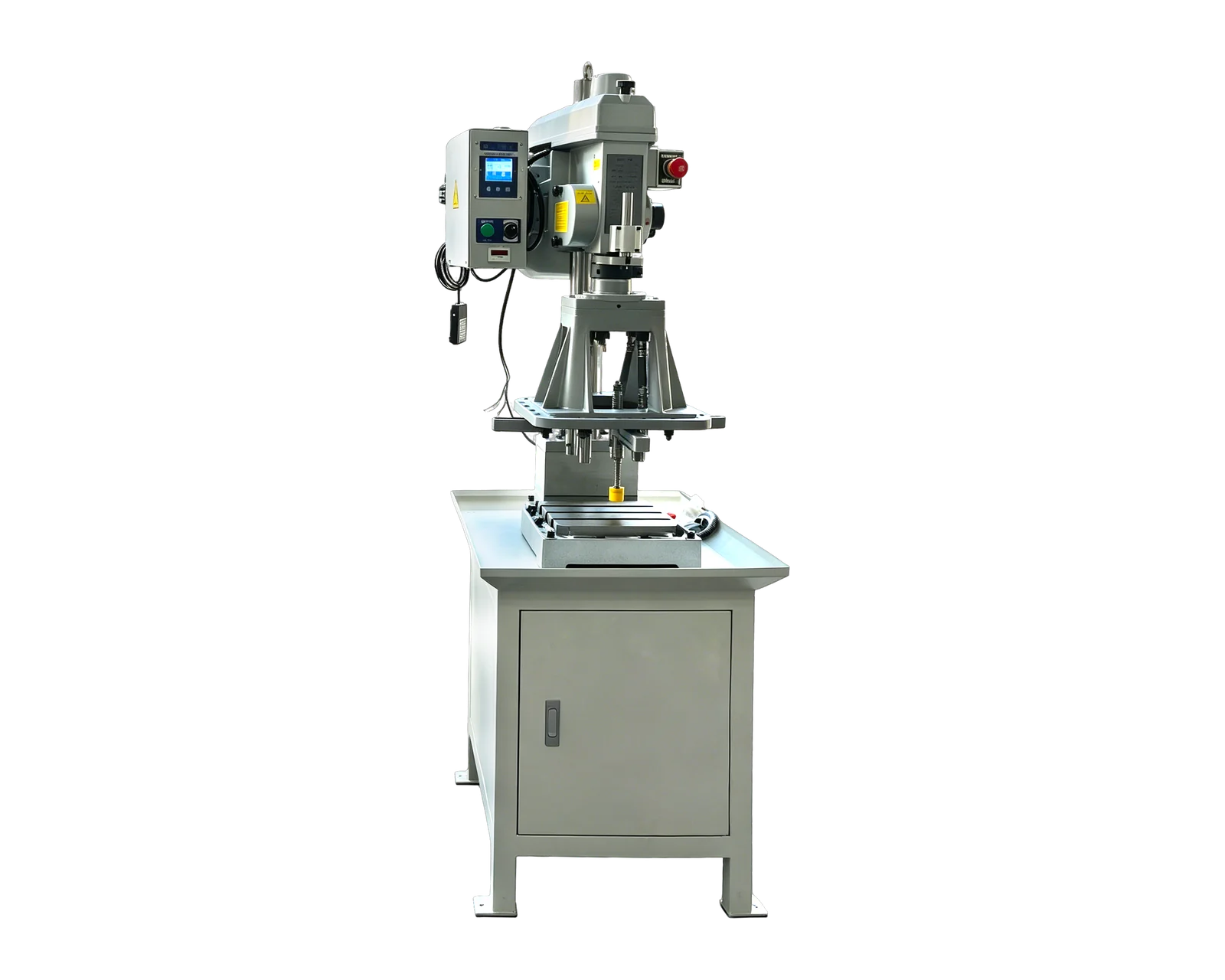
Explore equipment for your inquiry
Automatic Tapping Machines →Compare tapping platforms and feeding options before defining your thread-machining inquiry.
Begin with the section, not the overall length
A multi-cavity extrusion can contain several openings that look similar in an end photograph. Give each intended threaded feature a drawing identifier and mark its position on the section. Include the specified thread and usable depth, along with the actual incoming geometry. Identify whether that geometry is supplied by extrusion or by a separate hole-preparation operation. Leave unmachined cavities explicitly unassigned rather than assuming every visible opening belongs in the tapping scope.
Hydro lists sawing, drilling, threading and deburring among fabrication operations available for extruded profiles. These are separate operations to define in your route. The source does not establish that a particular profile port is suitable for a particular thread. That decision requires the profile and tooling reviewers to assess your drawing and supplied section.
Define the end condition used for depth and location
Identify whether the machining station receives a sawn end, a subsequently prepared end or another specified state. Show the face used to define depth and state any later operation that changes that face. A thread-depth requirement measured from the finished end must remain understandable when the supplier sees an earlier intermediate part.
Add the external surfaces available for locating and the orientation of asymmetric features. If both ends require work, label them separately and show the viewing direction for each end map. A left-to-right order on one end photograph can be misleading when the part is turned around. Use feature identities and drawing references to preserve the intended relationship.
For example, label the ends E1 and E2 and name the upper section face in both views. Mark which ports require threads at E1, E2 or both. This is a drawing-communication example, not a proposed machine sequence. The supplier should separately explain whether the quoted process turns the part, changes a fixture or uses another approach, and how the end identity is retained.
Use a port map that includes excluded cavities
This original template makes the end-operation scope reviewable. Populate it from the approved section and end drawing; the example labels are placeholders, not a proposed extrusion design. Keeping excluded areas visible helps distinguish the requested operation from the rest of a complicated cross-section.
Separate section changes from length changes
A hypothetical family has three lengths using one section and a fourth part with a visually similar but revised section. The common lengths may share an end map, subject to review of handling and support. The revised section needs its own feature mapping and contact assessment. Do not carry over the tapping scope solely because the external dimensions or marketing name are similar.
Show how each length reaches the station and leaves it, including support supplied outside the machine. State protected decorative areas and any constraints on contact. The end-tapping operation may be local, but loading a long member still requires a complete handling concept. Do not infer supported lengths or automatic loading from the tapping platform photograph.
Verify the named ports in the supplied end state
For the trial, connect every inspected thread to its port label, end identity, section revision and part length. Ask the quality reviewer to define the relevant thread and location checks. If a sample receives extra end preparation before tapping, record it and decide whether that operation belongs in normal production and the quotation.
Start with the automatic tapping category when the inquiry concerns accepted incoming openings and a tapping operation. If hole preparation must also be purchased, use the drilling-and-tapping route comparison and identify that extra work per port. A port map with several threads does not establish that one head can process them together; the proposed tool layout, pitches, access and handling need application review.
For a BINSING inquiry, provide the section drawing, end maps, material and temper, incoming-end photographs and length list. Request confirmation of the preparation boundary, fixture concept and trial coverage. State whether pricing should cover one end, both ends or named alternatives. The resulting quotation should list its covered ports and operations rather than simply offer an extrusion tapping machine.