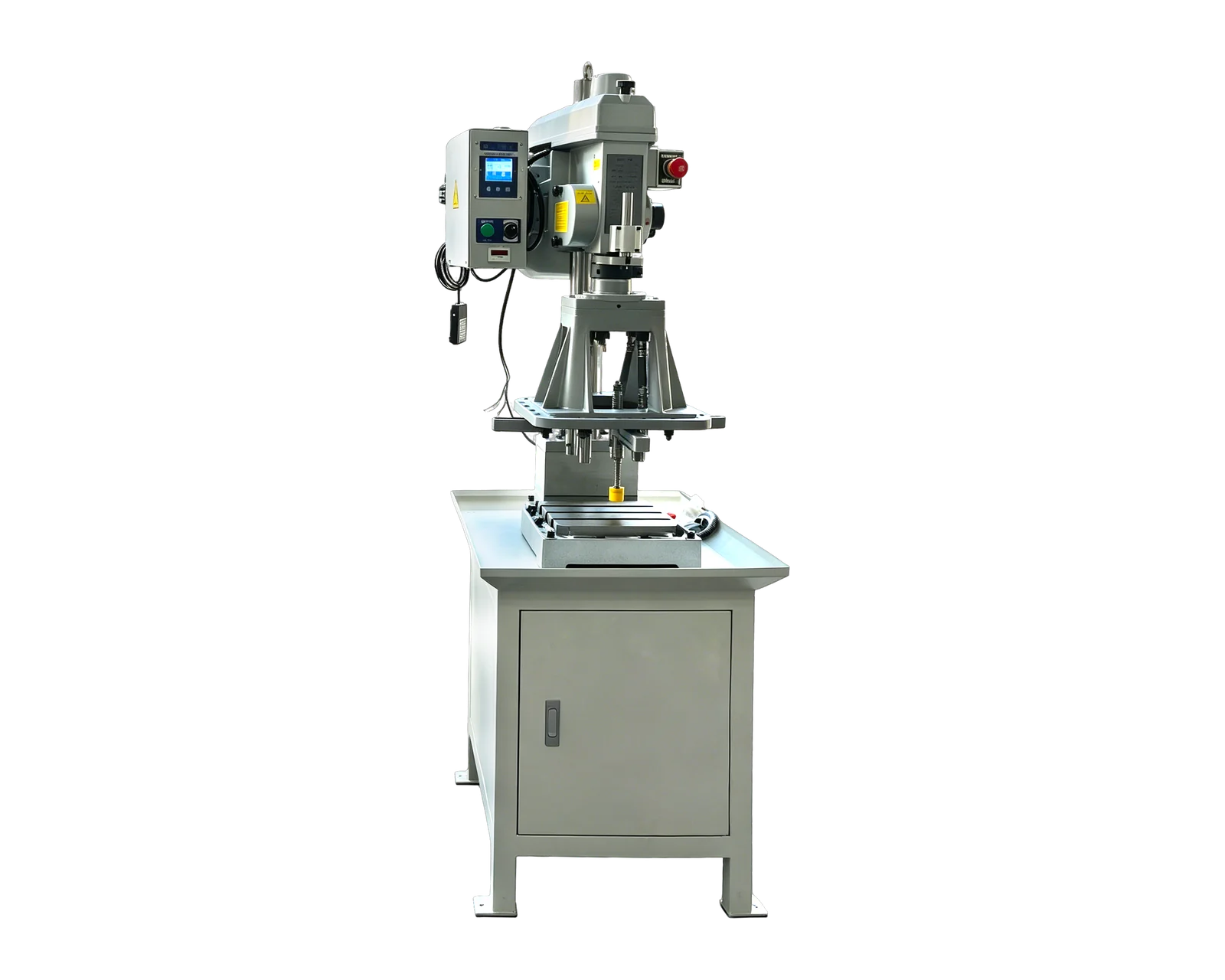
Explore equipment for your inquiry
Dual-Servo Multi-Spindle Drilling & Tapping Machine →Review the published specifications and configuration options against your part drawing before requesting a quote.
Why an aluminum sample needs more than a part number
Sandvik Coromant's workpiece-material guide explains that composition, manufacturing route and treatment affect machinability; it also identifies silicon-containing aluminum as a potential abrasive machining concern. That general context supports asking for the actual material identity. It does not provide a cutting prescription or demonstrate that a particular BINSING configuration suits your alloy.
A useful sample label connects the part number to the material record and production lot. If the supplied temper or manufacturing route is unknown, say so. Do not fill the gap with a familiar alloy name because the sample looks similar. The unanswered question can then be addressed before trial results are generalized to production.
Build a material-to-operation map
Include the state at the machine, which may differ from the final state specified for the finished product. A decorative treatment, upstream hole or reference face belongs in the application description when it changes what the proposed operation receives or must protect. The map below separates those inputs so material choice does not obscure part geometry.
Create two views when the incoming and finished states differ: one shows the blank delivered to the machine, and one shows the features this purchase must add. For example, a cast blank and a pre-machined aluminum component may need different locating and preparation work even when the finished thread designation matches. Mark each upstream operation as buyer-supplied, included or still unresolved.
Discuss the tool and chip path alongside the machine
OSG publishes a dedicated HY-PRO AL tap range for aluminum, illustrating why the intended material belongs in a tooling request. A material-specific tool listing still does not choose the correct tool for every thread, depth and incoming hole. Ask the tooling specialist to review those features as a combination and document the selected tool reference.
For the equipment discussion, show where chips and finished parts would go in the proposed layout. Ask what is included in the quoted arrangement and what remains a separate operation. Where several holes are processed together, retain individual hole identities in the trial record. A single acceptable thread should not stand in for inspection of every required position.
Use samples that expose the real application differences
Consider a hypothetical buyer with an extruded component and a cast component that share a nominal thread size. A trial on the extruded part does not establish performance on the casting. Keep them as distinct application inputs, with their actual material records, locating features and incoming-hole conditions. A supplier may propose shared equipment, but the coverage of each part still needs evidence.
A sample plan should state which production inputs it represents and which it omits. Ask for individual hole results, observed chip condition, surface observations and any interventions during the run. If only a small feasibility sample is available, label the conclusion accordingly. Do not convert an uninterrupted short video into a tool-life or sustained-output commitment.
Choose the equipment around the supported process
For prepared holes requiring tapping only, start with the automatic tapping category and confirm the incoming-hole requirements. For a proposed drilling-and-tapping or repeated-hole arrangement, BX-20015 is a catalog platform to assess against the actual drawing. Its listed ranges do not establish capacity for every aluminum alloy, thread depth or head layout. Request tooling, workholding contacts and the covered part variants in the quotation.
Send BINSING the alloy and supplied condition, drawing, sample photographs and expected product mix. Mark finished faces and explain whether holes arrive pre-machined. Ask which standard or custom arrangement merits evaluation and what representative samples are needed. The resulting review should define the application boundary before promising output, finish or tool consumption.