Explore equipment for your inquiry
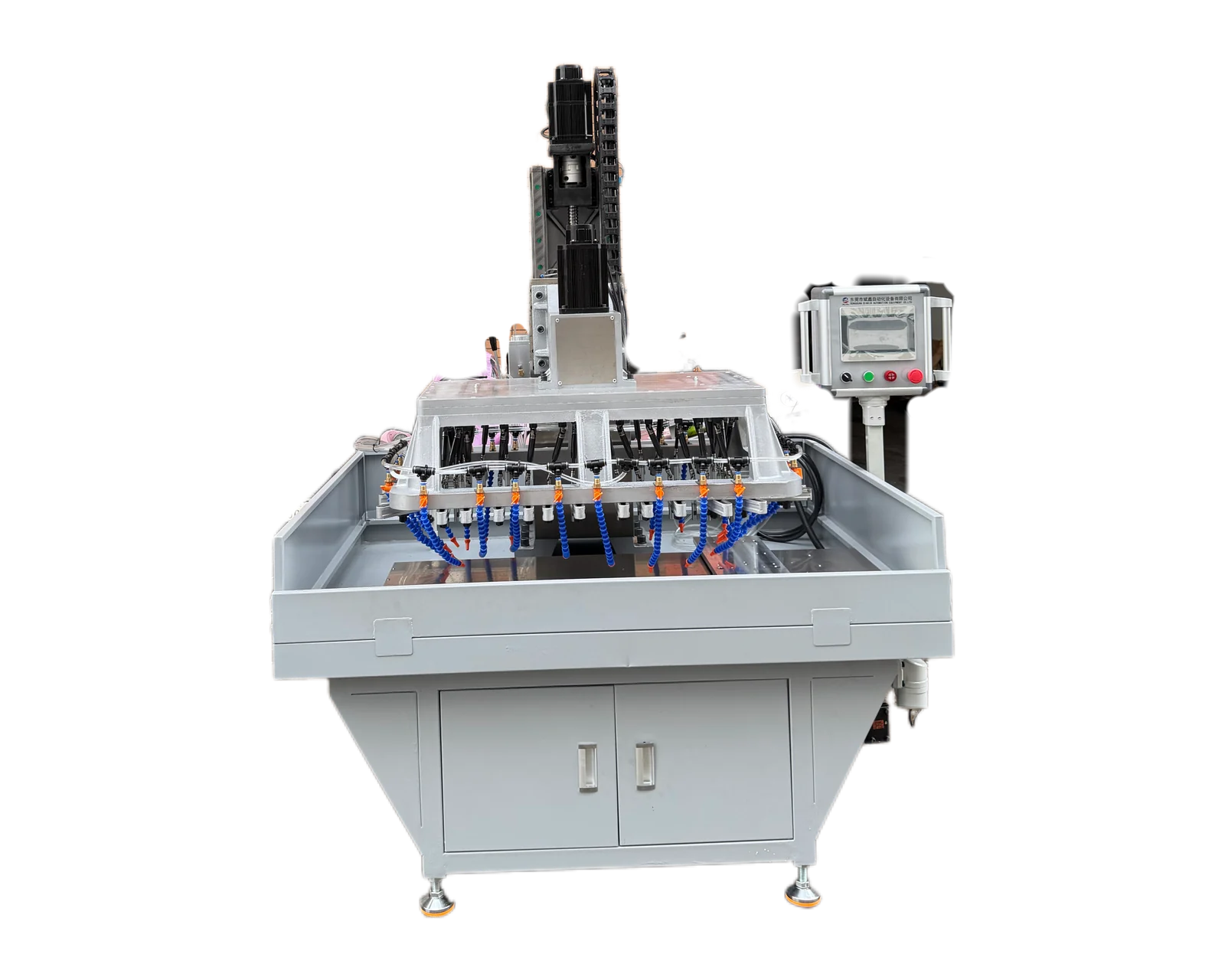
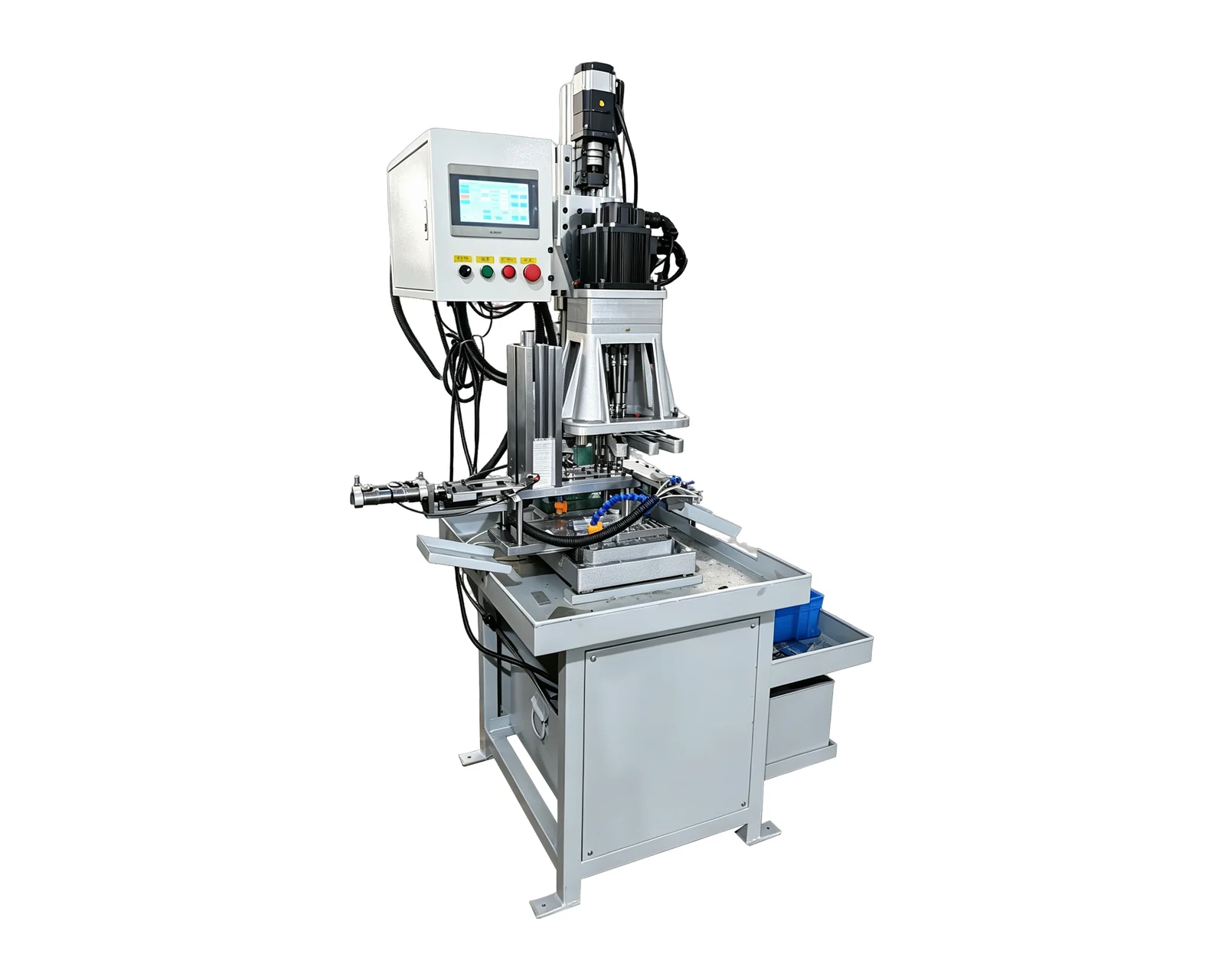
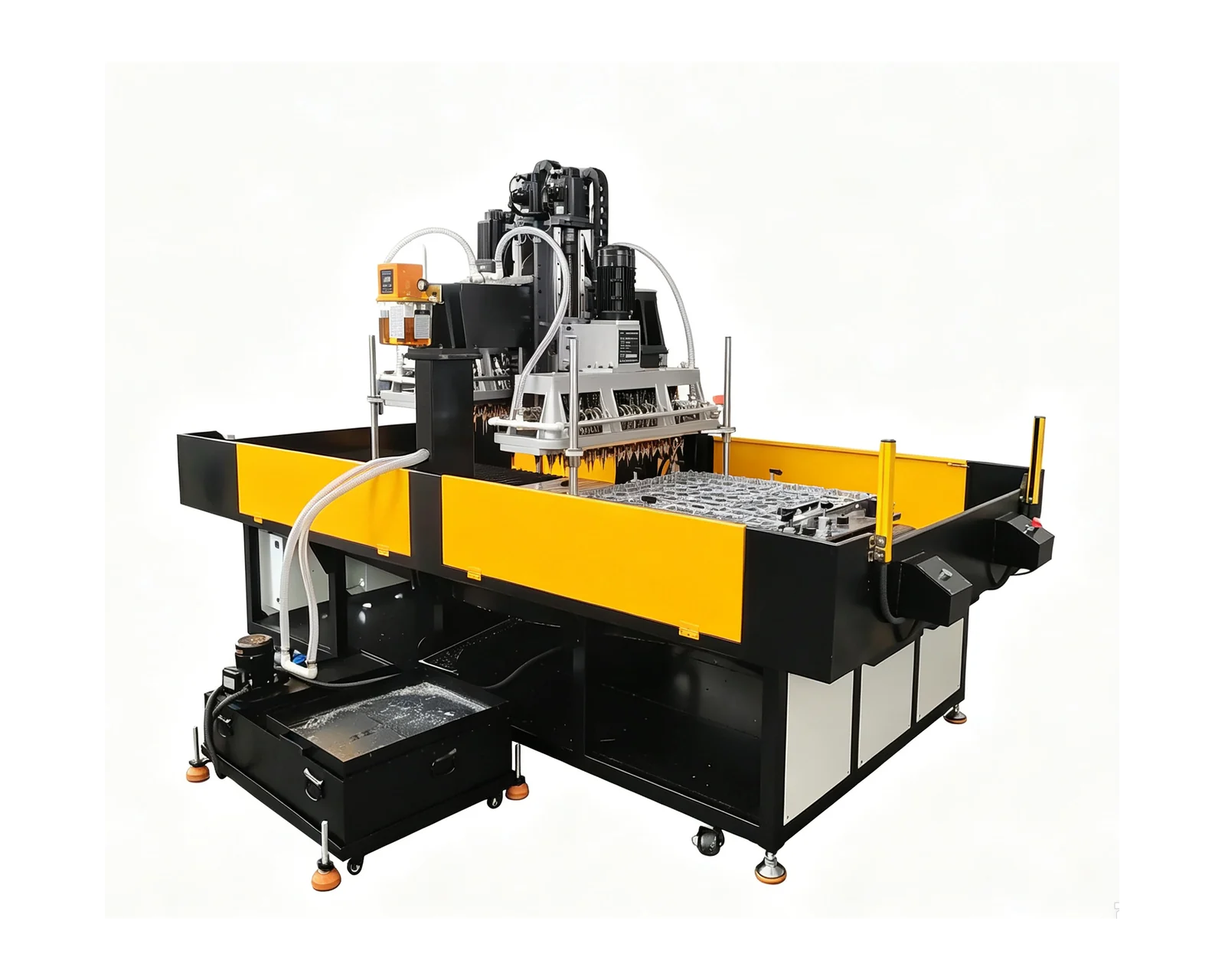
Multi-Spindle & Gantry Machines →Review the layout options and required part information to define the scope of a custom equipment inquiry.
1. Describe the component in its incoming state
Provide the incoming part drawing or a dimensioned representation with overall length, width and height. State the weight and whether it is measured or estimated. Include projecting features and any temporary packaging or transport supports present when the part reaches the cell. If the inquiry covers a family, list the variants separately instead of supplying only the dimensions of a typical example.
Distinguish the component from the assembly used to present it. A pallet, carrier or dedicated fixture adds geometry and weight that the equipment review must consider. Supply existing carrier drawings where available and identify which items the supplier is expected to provide. Any relevant handling information should come from the responsible engineering team; uncertain values should be recorded for confirmation before configuration approval.
2. Review the working envelope at each stage
Request a layout that shows more than the machine footprint. It should explain how the component reaches the loading position, enters the work area and leaves after machining. Identify facility constraints such as columns, neighboring equipment, available approaches and restricted overhead space. Keep the handling method subject to review by the responsible teams rather than selecting equipment from a floor-space sketch alone.
3. Make the support and handling scope explicit
Ask which assemblies are included in the equipment proposal and which remain with the buyer or another contractor. The answer should distinguish the machine workholding, any separate handling equipment and the interface between them. Require the supplier to confirm suitability for the reviewed inputs within its scope. Do not translate a general machine category into an assumed load rating or handling capability.
Provide the site information needed by the teams responsible for installation and safe handling. If a handling method has already been selected, share its approved interface information for coordination. If it has not, leave a clearly assigned engineering action. The purchasing document should identify the required assessment and owner without trying to provide a lifting procedure or substitute for a handling plan.
For quotation comparison, separate the machine and machining heads, part fixture or carrier, external supports and loading equipment. Mark each as supplied, optional, buyer-provided or unresolved. Keep a drawing or interface reference beside each assigned item. This prevents a machine-only price from being treated as a complete large-part workstation price.
4. Compare access using the complete component
Hypothetical purchasing example: a housing fits within a proposed worktable outline, but a projecting flange changes the approach to one machining face and the way the part can enter the work area. A simplified rectangular envelope may reveal overall space requirements while still hiding this local access issue. Supply both the envelope and the detailed geometry needed for the tool and fixture review.
A gantry or multi-side layout can be a starting point for discussion, depending on the task. Compare which faces and features each offer completes, which positions require transfer and what work remains outside the machine. Include the loading and removal arrangement in that comparison. A proposal covering one face cannot be evaluated as equivalent to one covering the complete operation list without accounting for the remaining work.
5. Agree evidence for the purchased range
Select review cases that capture the meaningful differences in the requested family. The heaviest variant may not be the one with the most difficult entry geometry or machining access. Ask the proposal to identify the conditions covered by demonstration and those covered by documented engineering review. Record the exact part, carrier and fixture configuration associated with each result.
Before ordering, reconcile the layout, equipment list and responsibility record. Each should describe the same incoming presentation and finished-part destination. For a BINSING inquiry, attach the part drawing, weight information, floor-layout restrictions and any existing carrier details. These inputs help define whether a custom arrangement deserves further assessment and what must be resolved before an equipment commitment.