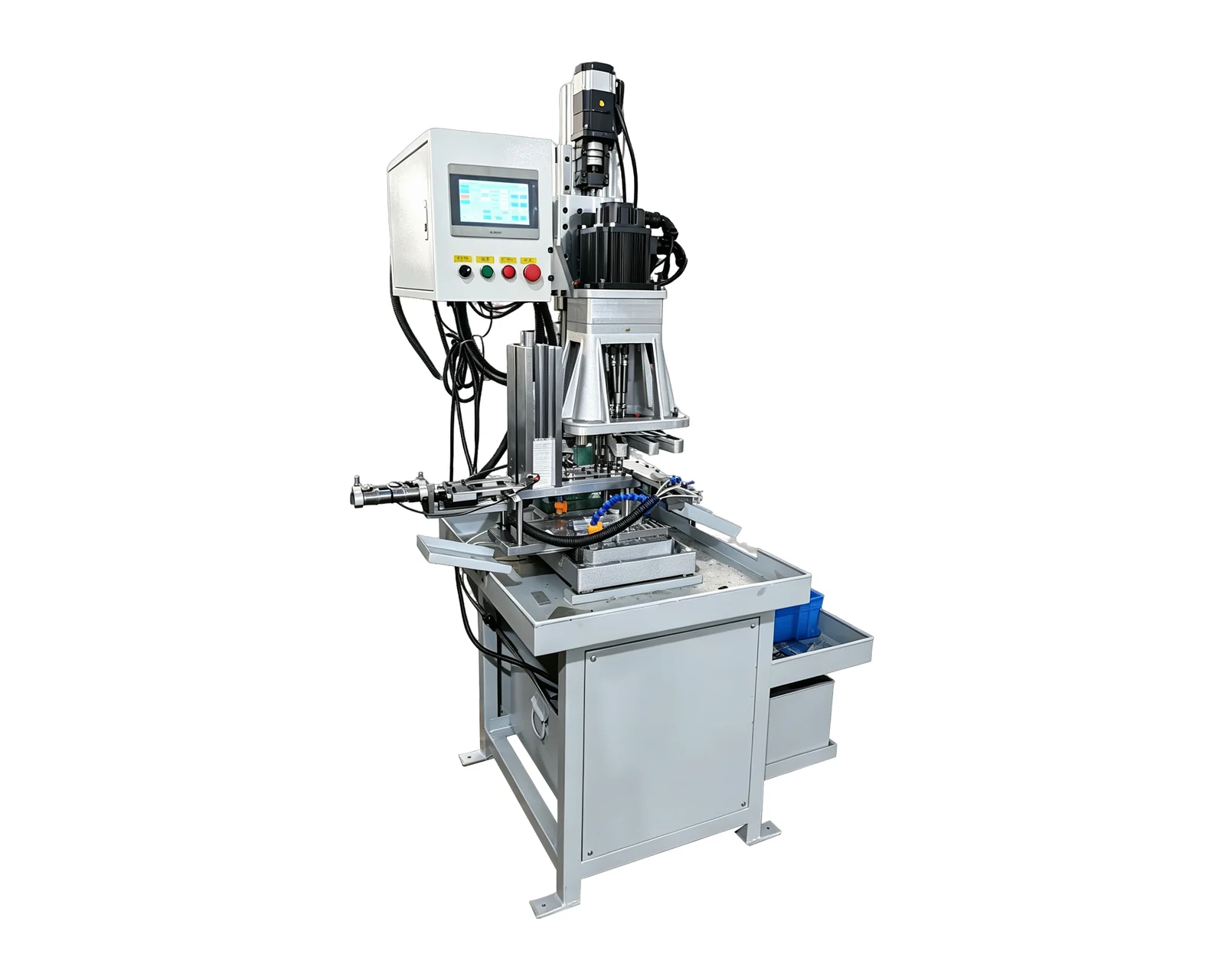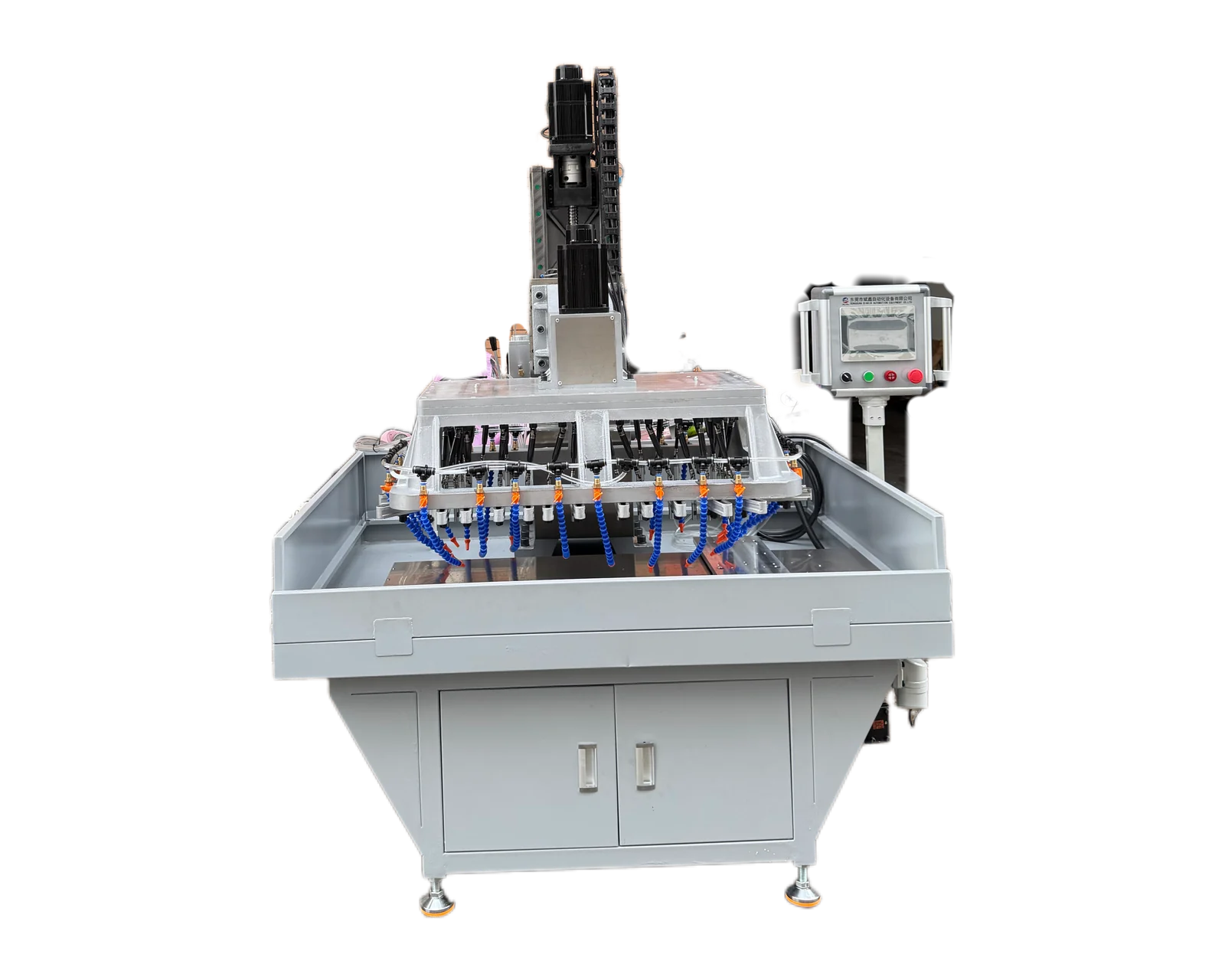
Explore equipment for your inquiry
Servo Traverse Multi-Spindle Drilling & Tapping Machine →Review the published specifications and configuration options against your part drawing before requesting a quote.
1. Make one drawing the common review baseline
A machine arrangement may circulate as a PDF, a cropped screenshot and a presentation slide. Comments become difficult to reconcile when those views come from different revisions. Begin each review with the drawing identifier, revision, orientation and included equipment list. Preserve the supplier's original file and issue a separately identified comment overlay so reviewers can distinguish proposed feedback from an agreed arrangement.
Check whether ancillary equipment, containers and connections are shown, omitted or still provisional. A blank region does not establish available space. Where factory context matters, identify the source of that context and its review owner. Ask for missing information explicitly instead of completing the arrangement from assumptions that neither the factory team nor the supplier has confirmed.
2. Give every annotation a location and an owner
Use stable comment numbers on the drawing and a matching response list. The list should describe the activity being reviewed, the requirement source and the requested clarification. Dimensions and access requirements must come from the responsible project specialists and applicable project documentation. This table organizes their input; it does not prescribe a layout, clearance or site safety requirement.
3. Replace ambiguous arrows with reviewable questions
In a hypothetical review, a buyer draws an arrow beside a finished-part container and writes move this. The supplier cannot tell whether the request concerns the container itself, its exchange route or the adjacent equipment. A useful comment identifies the container reference and asks for an alternative position that the production owner can review against the stated collection arrangement. This is an invented communication example.
If a reviewer proposes a position, mark it as a proposal and cite the requirement it is intended to address. Do not describe a sketch as approved simply because several people have seen it. The supplier can respond with the technical implications or another arrangement, after which the affected factory owners review their respective boundaries. Keep unresolved dependencies visible on the response list.
4. Close the comment against a revised drawing
A response saying updated is incomplete without the drawing revision where the change appears. Record that reference and ask the originating reviewer to verify the intended issue has been addressed. Separate accepted comments, questions still awaiting information and suggestions not incorporated. When a revision affects another area, send it to that area's owner rather than assuming the original comment owner covers every consequence.
Retain a short revision summary so a later reviewer can understand why an item moved or why a proposed change was withdrawn. Avoid layering new arrows over obsolete comments without resolving their status. The reviewed drawing should have a clear relationship to the proposed equipment scope, and any items still provisional should remain identifiable in the final review record.
5. Ask for the right layout information in the inquiry
For an initial machine inquiry, describe the factory interface questions your team needs a layout to answer. Identify available site information and what remains to be confirmed. Request the level of supplier drawing detail appropriate to the project stage. A preliminary arrangement can support discussion while still leaving installation, service and access questions for designated specialists and later controlled documentation.
Email BINSING the part application, intended loading and collection arrangement, available factory drawing and a numbered question list. Ask which equipment and interfaces a proposed layout will include. Provide requirements through their responsible owners, and request revision references in subsequent responses so the commercial and technical teams can review the same proposed arrangement without reconstructing a chain of screenshots.