Explore equipment for your inquiry
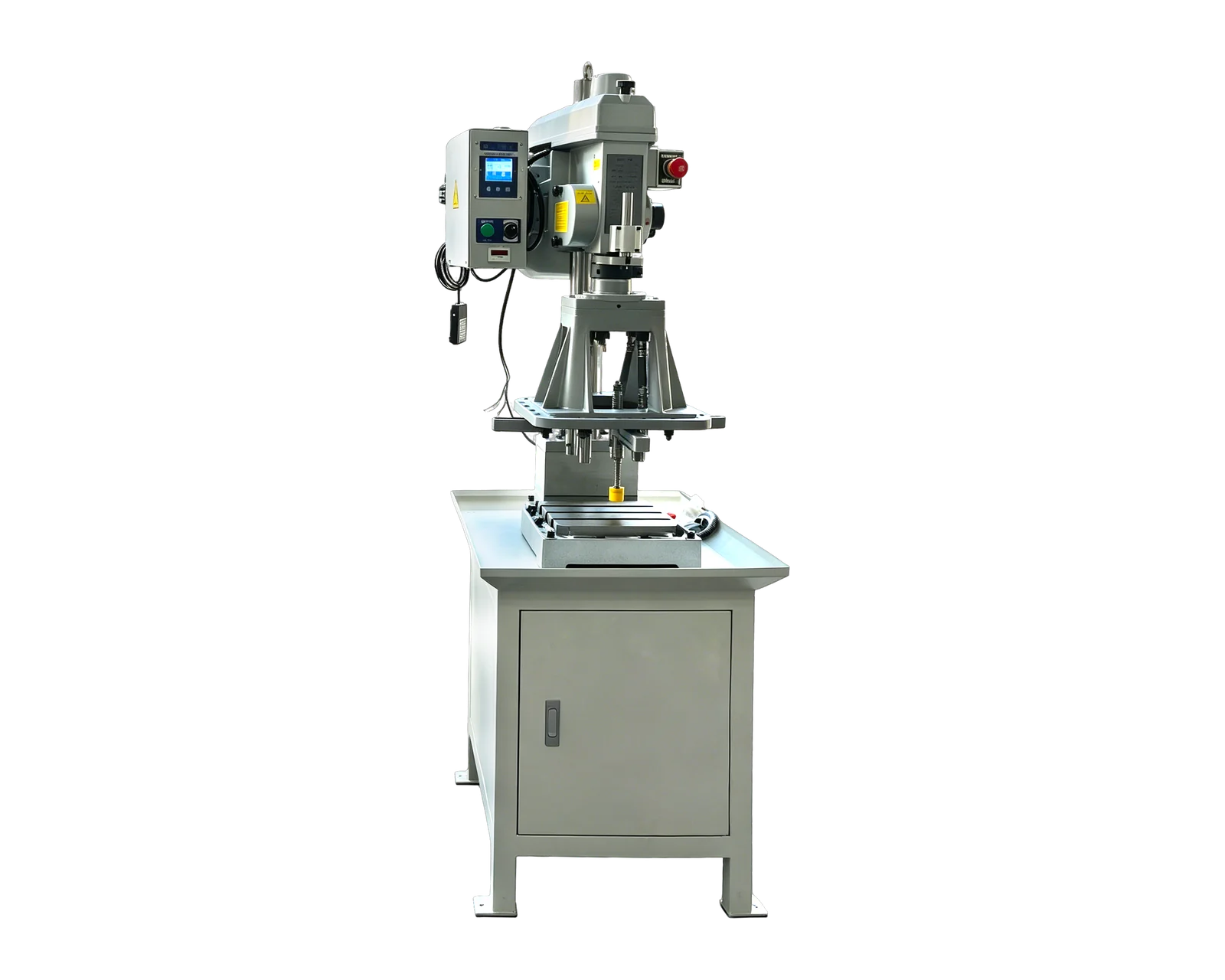
Dual-Servo Multi-Spindle Drilling & Tapping Machine →Review the published specifications and configuration options against your part drawing before requesting a quote.
1. Preserve meaning rather than transcribing everything
A technical call often moves quickly between questions, examples and tentative solutions. A transcript can preserve the words while leaving the status of those statements unclear. A useful project record captures what the team decided, what it merely discussed and what still requires evidence. It should help someone who missed the call understand the resulting project position without replaying the entire conversation.
Begin with the meeting date, participants, subject and document revisions on screen. If a participant refers to another drawing or quotation, identify it in the relevant item. Do not combine several revisions under a general heading such as latest specification. The record should show which information supported the discussion and whether any newer requirement was mentioned without being available for review.
2. Label statements by their decision status
Use a small set of explicit labels and keep the labels consistent across meetings. A record can contain both a confirmed requirement and an unconfirmed way of meeting it. Separating them prevents a suggestion from being copied into later documentation as though it were approved. The following categories organize communication; the project team must define who has authority for each substantive decision.
3. Separate an idea from a change to the specification
Consider a hypothetical call in which someone suggests using a different incoming tray for a machining application. The discussion may reveal a useful option, but it does not establish the tray dimensions, supplier responsibility or compatibility. Record the suggestion as a proposal and list the information needed for review. Do not summarize it as new tray approved unless the authorized people actually made that decision.
If the project later adopts the proposal, record the decision in a subsequent revision and reference the agreed requirement document. Keep the earlier proposal identifiable so the reasoning remains understandable. This invented scenario concerns communication, not the suitability of a tray arrangement or a BINSING equipment feature. The technical review and the record of its outcome remain separate responsibilities.
4. Circulate corrections and resolve conflicting recollections
Send the draft record to the relevant participants with the items requiring confirmation clearly marked. Ask for specific corrections against item IDs. If two participants remember different outcomes, preserve the item as unresolved and return to the requirement source or decision owner. Avoid choosing the more convenient wording simply to close the meeting record. A brief clarification can prevent a disputed assumption from propagating into the quote.
When the record is confirmed, identify its version and link any resulting changes to the affected drawings, scope documents or action register. The minutes explain the discussion and decisions; the action register tracks unfinished deliverables. A completed action is not automatically a confirmed technical decision, and a confirmed decision can still create several implementation actions. Keep these relationships visible without duplicating every detail.
5. Prepare the next discussion around decisions to be made
Before a supplier call, send a short agenda with the document references and questions that need an outcome. Identify which buyer specialists should participate and which decisions they can confirm. Where evidence is missing, frame the desired outcome as agreement on what information to obtain. This helps the meeting produce useful next steps without pretending that all technical questions can be settled immediately.
For a BINSING project discussion, email the relevant part drawing, proposed machine scope and a numbered question list. Afterward, circulate a concise record that distinguishes requirements, proposals and confirmed decisions. Ask the appropriate contacts to confirm the items within their responsibility, and connect any accepted changes to the next document revision so the discussion leads to a traceable project position.