
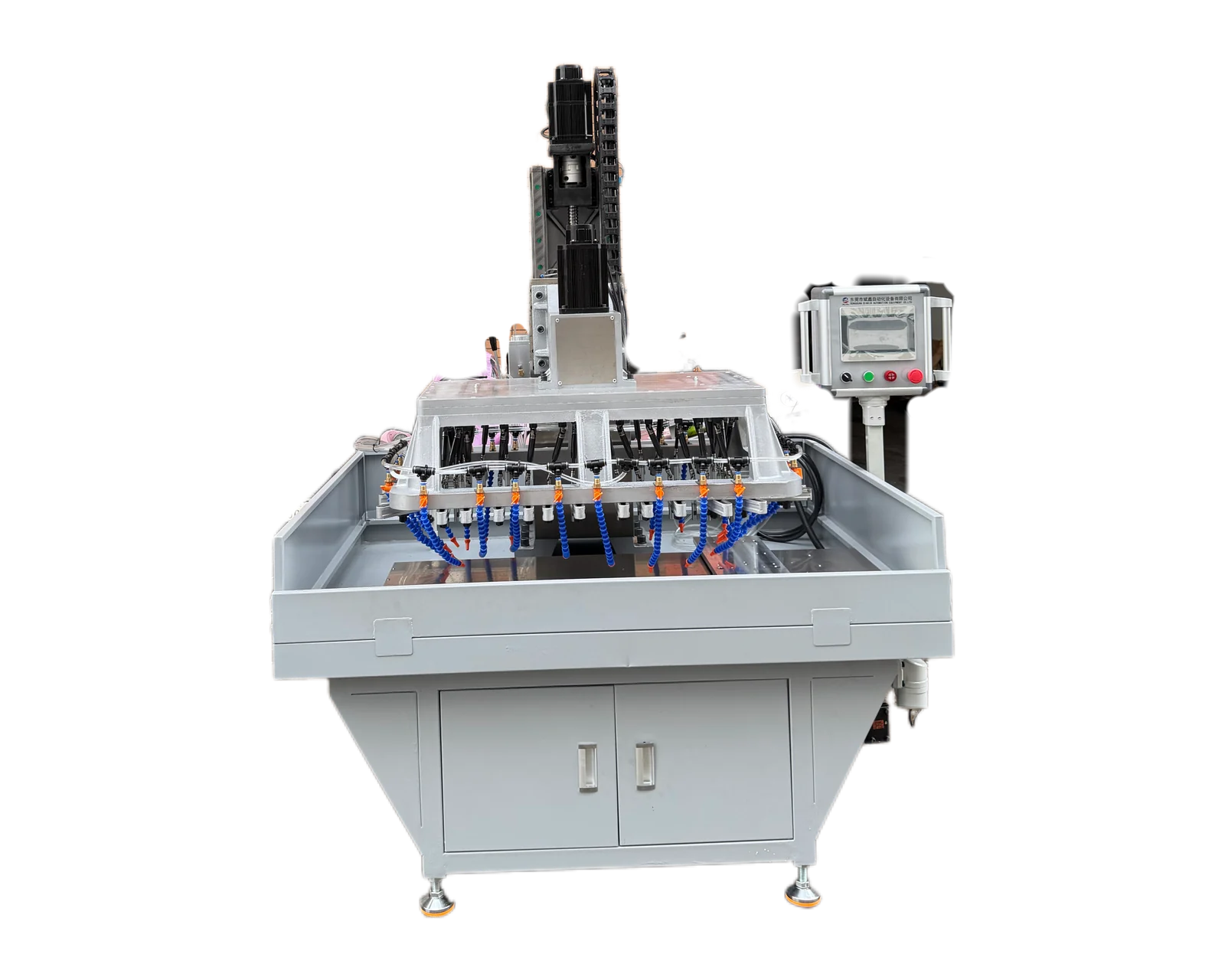
Explore equipment for your inquiry
Servo Traverse Multi-Spindle Drilling & Tapping Machine →Review the published specifications and configuration options against your part drawing before requesting a quote.
Write a question that someone can actually close
Entries such as technical issues or customer feedback are too broad to assign or resolve. Write the missing decision instead: confirm which part revision the fixture must cover, identify who supplies the outgoing tray, or provide the approved inspection reference. If an entry requires unrelated answers from different people, split it into separate items while retaining their shared project reference.
Record the current assumption only when it is necessary to understand ongoing work, and label it clearly. An assumption is not an approval. Specify which activity may continue on that basis and which decision remains pending. The project owner should agree that boundary; a spreadsheet entry should not independently authorize work or change an agreed requirement.
Connect owner, evidence and affected decision
The following hypothetical register illustrates three different unresolved questions. It is not a BINSING project status report. In a working register, add stable item identifiers, dates and links to the actual records. Assign the person responsible for obtaining the answer separately from the person authorized to accept its consequences.
Use status labels that describe evidence
Keep status choices small and define them. Open can mean an answer is still required; awaiting review can mean evidence has arrived but has not been assessed; closed can mean the authorized reviewer has accepted the evidence and recorded its destination. If an item is no longer applicable, retain the reason rather than deleting the question from the history.
An email attachment arriving is a useful event, but it does not prove the attachment resolves the original question. The reviewer may find that it covers the wrong revision or omits a requested condition. Preserve that distinction in the register. It helps a project meeting focus on the next required action instead of repeatedly asking whether someone has replied.
Name the specific decision that remains blocked
An unanswered tray-return question might prevent finalizing an interface boundary without preventing review of the component drawing. Conversely, an unconfirmed part revision may undermine several linked decisions. State those dependencies explicitly. This avoids marking every item urgent or substituting project dates for missing evidence.
When an answer changes an agreed requirement, refer it to the project's change-control process. The open-item register can link to that change record, but closing a question should not silently approve new cost, scope or delivery commitments. Keep the distinction visible so technical clarification and commercial authorization are not confused during a busy review meeting.
Close the item where the answer will be used
A closure note should identify the accepted evidence, reviewer and document receiving the decision. For example, a confirmed return-tray responsibility belongs in the interface list as well as the meeting record. If the answer remains only in the open-item spreadsheet, a later drawing or quotation may still carry the previous assumption. Check that the affected baseline has been updated or clearly referenced.
For a BINSING discussion, send the relevant open items with drawing and quotation references instead of forwarding an entire unstructured email chain. Prioritize the decisions currently needed and attach the evidence already available. Agree the owner and next action for each unresolved question. This creates a practical review agenda while preserving a clear record of what remains unconfirmed.
