
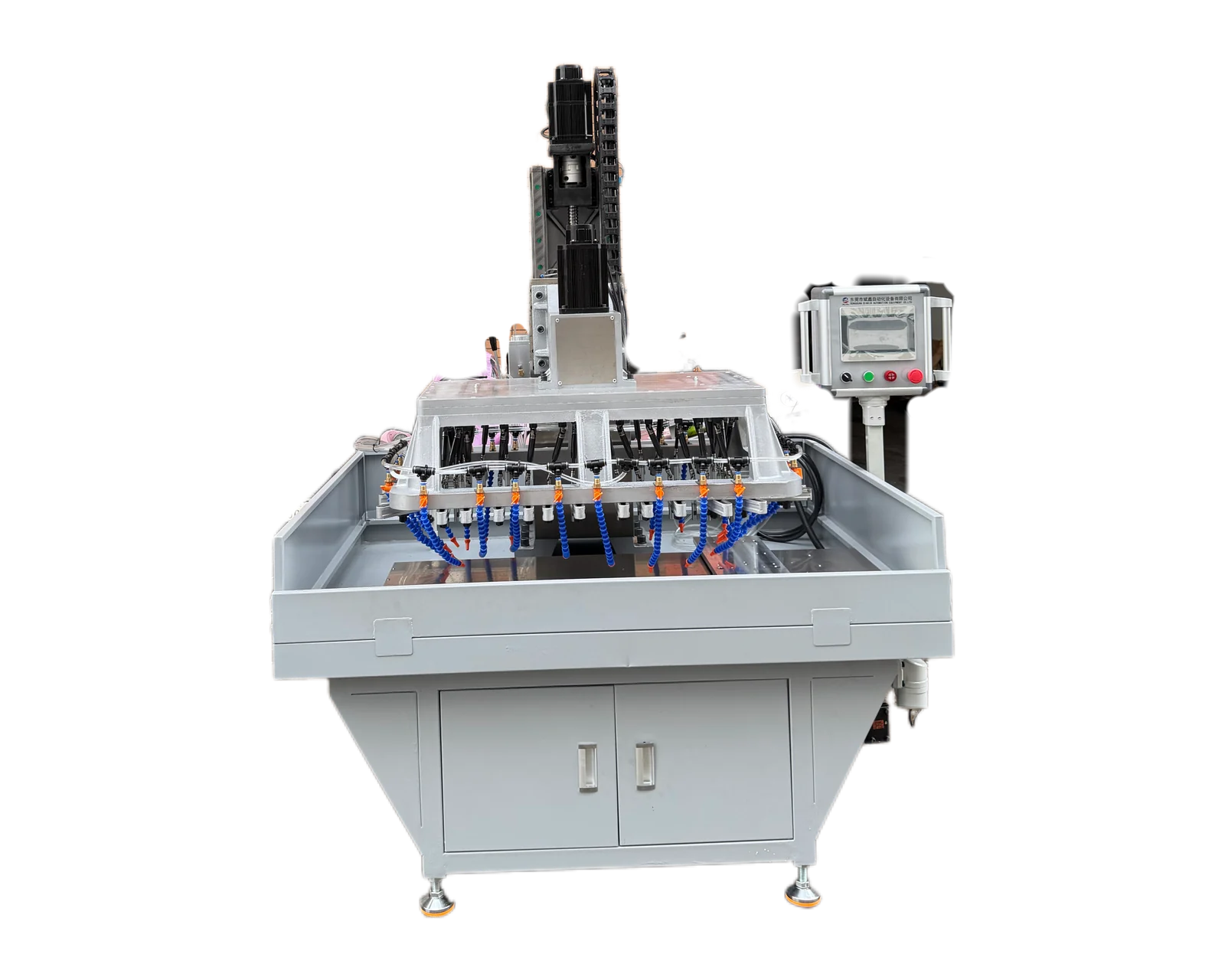
Explore equipment for your inquiry
Servo Traverse Multi-Spindle Drilling & Tapping Machine →Review the published specifications and configuration options against your part drawing before requesting a quote.
1. Assign documents before assigning meeting attendance
A purchasing contact may receive a drawing, a production target and a quality checklist from different colleagues without knowing which version controls. Start by naming the deliverables the inquiry needs and the person responsible for approving each one. The role can be held by the same person in a small company, but the approval boundaries should still be distinguishable.
For each deliverable, record its source, revision, owner and review status. Identify who can answer a supplier question and who must approve a changed assumption. This prevents a quick response from an available colleague from silently replacing the requirement established by another team. Keep one consolidated release list so every supplier receives the same approved basis for discussion.
2. Define what each function hands to the inquiry owner
The allocation below is a suggested buyer coordination model. Adapt it to your organization rather than assuming job titles carry universal authority. The important point is that each item has an accountable owner and an identifiable output. The supplier should receive a coherent package, not be asked to decide which internal department's statement represents the buyer.
3. Resolve a conflict at its source before forwarding it
In a hypothetical inquiry, production describes demand in completed assemblies while process engineering lists individual components. Purchasing cannot resolve the mismatch by choosing the larger number. Ask the owners to identify the component quantities per assembly, which operations belong in the proposed equipment scope and the basis of the requested output. This invented example concerns requirement coordination, not an equipment output promise.
Keep the original statements in a clarification record until the owners agree the replacement wording. If a decision remains pending, label the quotation request as conditional on that decision. The supplier may discuss alternatives, but those alternatives should not be presented internally as an approved change to the buyer's production definition or quality requirements.
4. Route supplier questions without fragmenting the answer
Use one shared question reference when a supplier asks about material condition, inspection evidence or part mix. Route it to the owner of the affected deliverable, then return the approved answer through the agreed contact. Where a reply changes another team's assumption, request that team's review before release. A short response can have consequences beyond the document in which it appears.
For example, a change in incoming component condition may affect process boundaries and the quality evidence needed at handover. The inquiry coordinator should identify those dependencies rather than simply forward a message. Maintain the revised attachment list beside the response so the supplier can distinguish a clarification of existing wording from a replacement requirement requiring another proposal review.
5. Release a package with visible approvals and open decisions
Before issuing the RFQ, have each owner confirm their own deliverable and any assumptions requiring further review. The coordinator checks that cross-references agree: part versions match the production mix, requested checks match the features and the scope schedule matches the process boundary. This is a consistency review of inquiry information, not proof that a proposed machine meets the application.
For a BINSING inquiry, email the approved drawings, process boundary, production basis and evidence requests together with one contact for coordinated replies. State which questions remain open and who will resolve them. This helps both standard-machine and custom-solution discussions progress toward a specific proposal while keeping buyer decisions attributable to the people responsible for them.