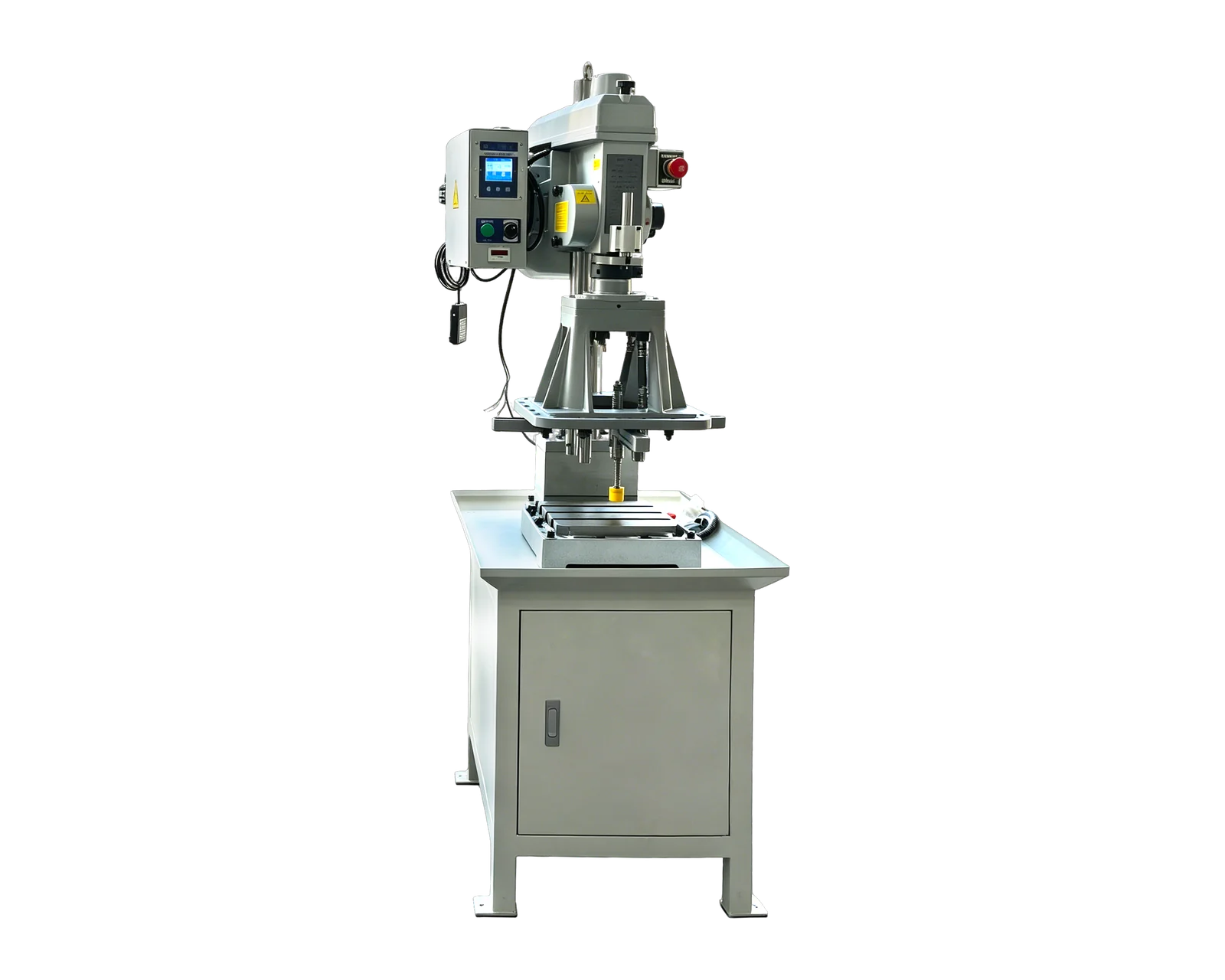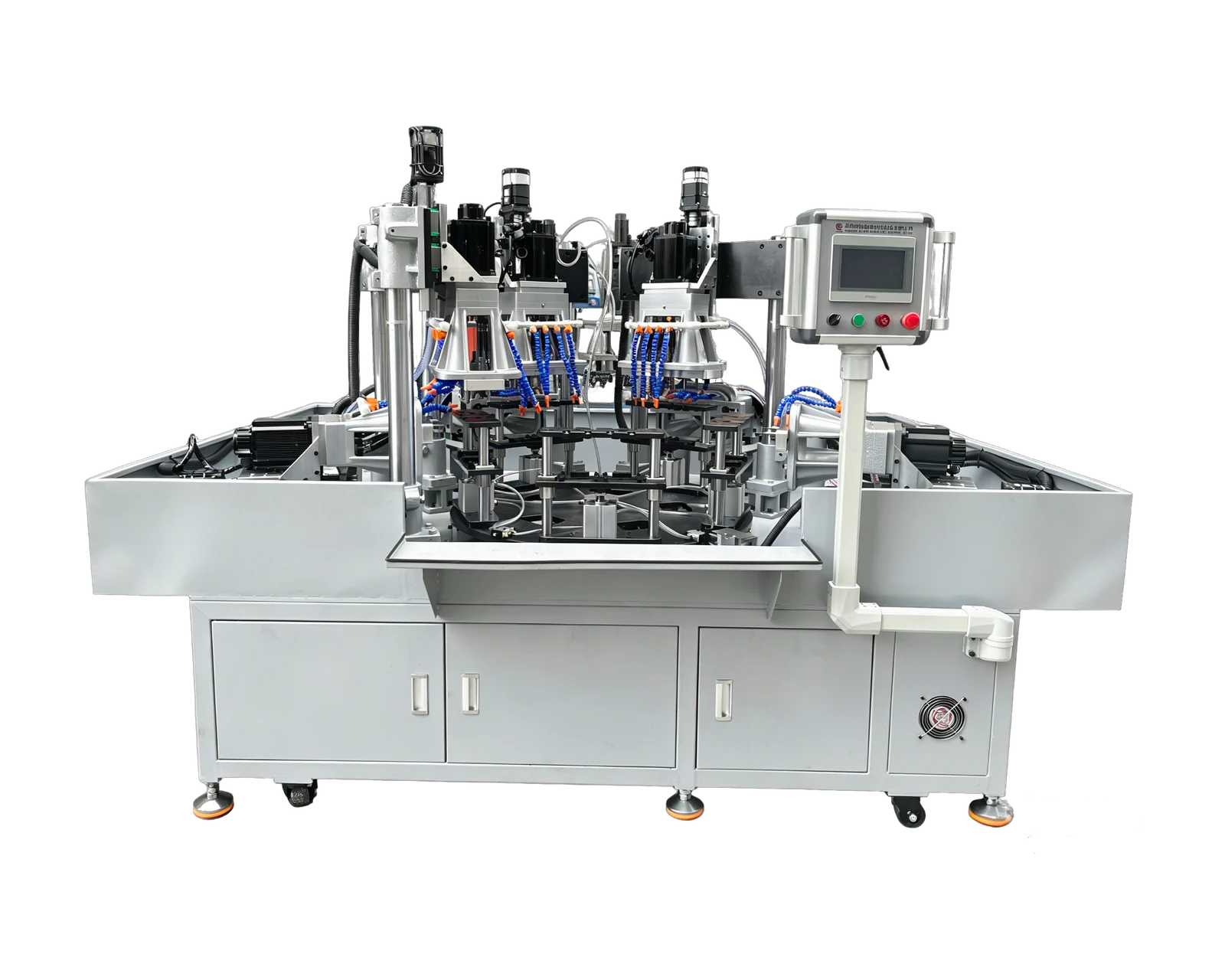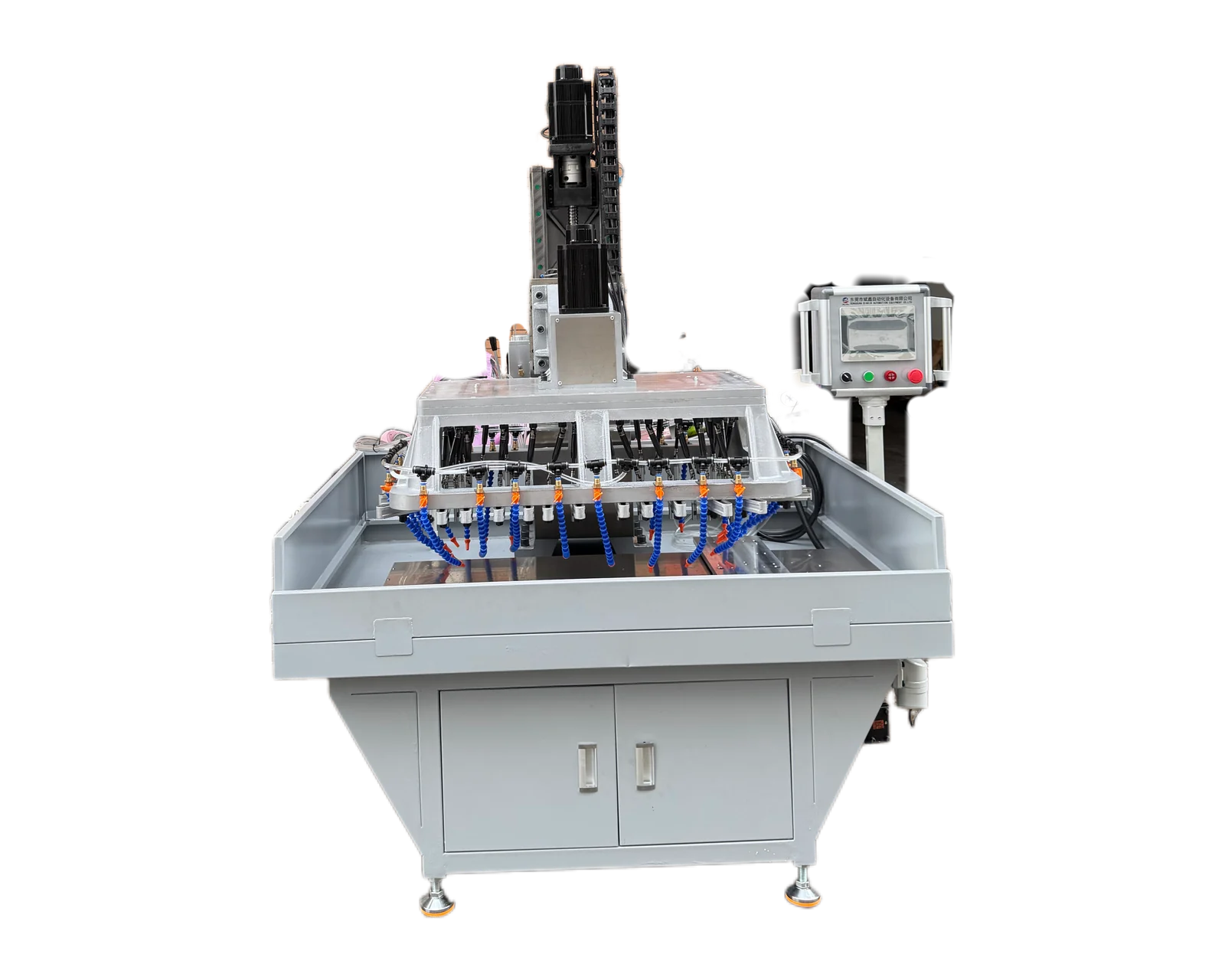
Explore equipment for your inquiry
Servo Traverse Multi-Spindle Drilling & Tapping Machine →Review the published specifications and configuration options against your part drawing before requesting a quote.
1. Compare features before comparing equipment lists
A purchasing team may receive a quote with an attractive equipment description while the operation boundaries remain unclear. Start with the required finished features and the condition of the incoming component. Match those requirements to the supplier's written scope. This exercise is a completeness review of the proposed supply; it does not select cutting parameters or establish the machining method for the application.
Use the drawing's feature references or an agreed annotation set so both sides discuss the same hole, face and thread. Include requirements stated in notes as well as features shown in the main views. When the drawing calls for a result but does not prescribe how to obtain it, ask the technical owner to clarify the requirement and the supplier to explain the proposed scope.
2. Assign a destination to every required activity
An operation can be intentionally outside the machine proposal and still belong in the overall production plan. The problem is an unassigned boundary. Record the party providing each activity and the evidence defining its handover condition. The following review prompts are examples to adapt to the drawing; they are not a universal process sequence or a claim that every part requires every activity.
3. Distinguish an exclusion from an omission
In a hypothetical quotation review, a bracket drawing shows tapped holes and an associated recess. The quote lists drilling and tapping but does not mention the recess. The buyer should identify that feature and ask whether it is included, expected on incoming parts or excluded. Calling it an omission before receiving the answer could obscure an intentional process boundary that has simply not been documented.
Suppose the response confirms that the buyer will supply the recess before the quoted operation. Record that incoming requirement and have the buyer's production owner confirm the upstream arrangement. If nobody has accepted that work, keep it unresolved. The illustrative example does not establish which sequence is technically suitable; it shows how a missing scope statement becomes a question with a responsible decision owner.
4. Ask for a revised scope that survives handover
A clarification buried in a meeting note may not reach the person preparing samples or approving the equipment specification. Request an updated operation list or referenced scope clarification that identifies the affected quote revision. Separate included work, explicit exclusions and buyer-supplied conditions. Where a revised proposal changes commercial or scheduling assumptions, request those changes in the supplier's response rather than estimating them yourself.
Check the boundaries in both directions. The supplier needs to understand what arrives at the machine, while the buyer needs to understand what leaves it. A finished hole in one operation list may still require another activity under the part drawing. Ask the responsible reviewers to reconcile the outgoing condition with the next process, including any examination assigned outside the equipment supply.
5. Request a feature-to-scope response with your inquiry
Attach the drawing and a concise list of required operations or unresolved feature questions. State which activities your existing production route already supplies, and identify assumptions that still need technical confirmation. Ask the supplier to mark its proposed coverage against that list. This gives purchasing a clearer basis for comparison than treating a short machine title as a complete manufacturing scope.
Email BINSING the component drawings, incoming condition and the operations you want discussed. Highlight any secondary features whose responsibility is uncertain. Request a written distinction between machine operations, supplied-part prerequisites and work performed elsewhere. Keep unresolved items visible until the relevant technical owners confirm them, so your team can evaluate a proposed machine within a complete production route.