
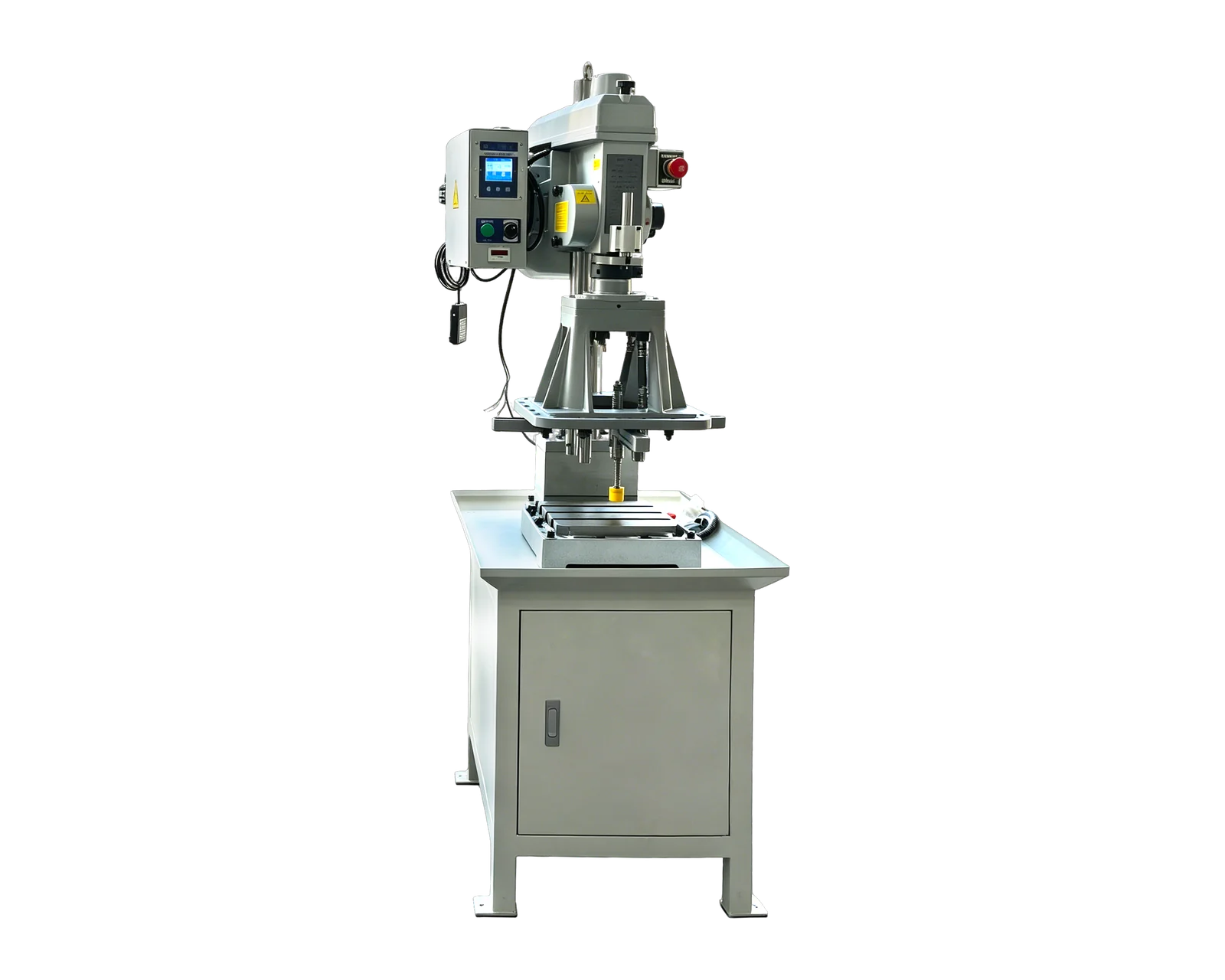
Explore equipment for your inquiry
4508 Gear-Driven Automatic Tapping Machine →Review the published specifications and configuration options against your part drawing before requesting a quote.
Define the events that reopen production approval
During purchasing, ask production and quality personnel which changes require renewed first-part review. Possible project-defined events include replacing a cutting tool, installing an approved alternative tool or changing to another fixture arrangement. The buyer's responsible team should establish the approval policy, while the supplier identifies the information and resources available with the equipment.
Keep this policy distinct from instructions for physically changing tooling. The purchasing task is to agree the verification boundary, not describe mechanical adjustments or intervention in machinery. State who performs the approved work, who checks the resulting sample and who can release further production. Where the buyer requires particular documentation or inspection aids, include those requirements in the quotation discussion.
Connect the first part to the configuration used
A useful first-part record identifies more than a date and a pass mark. It connects the sample to the approved drawing, the relevant tooling and the workholding used. Use the following fields as a starting point, selecting the level of detail required by your own production system.
Choose checks from the drawing and the change
Ask the buyer's quality authority to define the required characteristics and methods for each relevant event. A tapping tool change may prompt review of specified thread characteristics, while another change may affect different features. The controlling drawing and approved inspection plan determine the actual checks. A generic statement that the machine runs correctly is not a replacement for the agreed measurements.
In a hypothetical multi-spindle application, one tool is replaced while other positions retain their tooling. The record should identify the affected position and the scope of verification required by the approved plan. It should not leave the reviewer guessing whether one feature, a complete pattern or other characteristics were examined. Resolve that scope before the production team needs to make a release decision.
Specify which verification resources are supplied
Separate supplied documentation, identification labels, inspection equipment and any requested recording functions in the proposal. Ask whether the supplier provides a configuration reference that the buyer can use in its own records. If the buyer supplies gauges or inspection services, identify them explicitly.
Clarify how approved alternative tooling is documented and who determines whether a change requires additional review. Maintain the link between tooling identity and the released configuration without assuming every replacement item is equivalent. Where records remain in the buyer's quality system, specify the information that must be available from the equipment package and avoid duplicating the same approval in incompatible formats.
Review the evidence path during handover
Use an agreed demonstration or document walkthrough to confirm that the planned record can be completed. Identify the drawing, configuration references, inspection results and release responsibility. Record missing information as an open item. A supplier can explain delivered documents, but the buyer still needs to assign its own people and approval authority for the production process it will operate.
For a BINSING inquiry, send the part drawing and your existing first-part record if one is available. Highlight the information you expect the equipment package to supply, and list inspection resources that remain buyer-provided. Ask for the quotation to identify included documents and verification aids. This makes the later production handover more concrete without implying an unagreed automatic inspection capability.

