
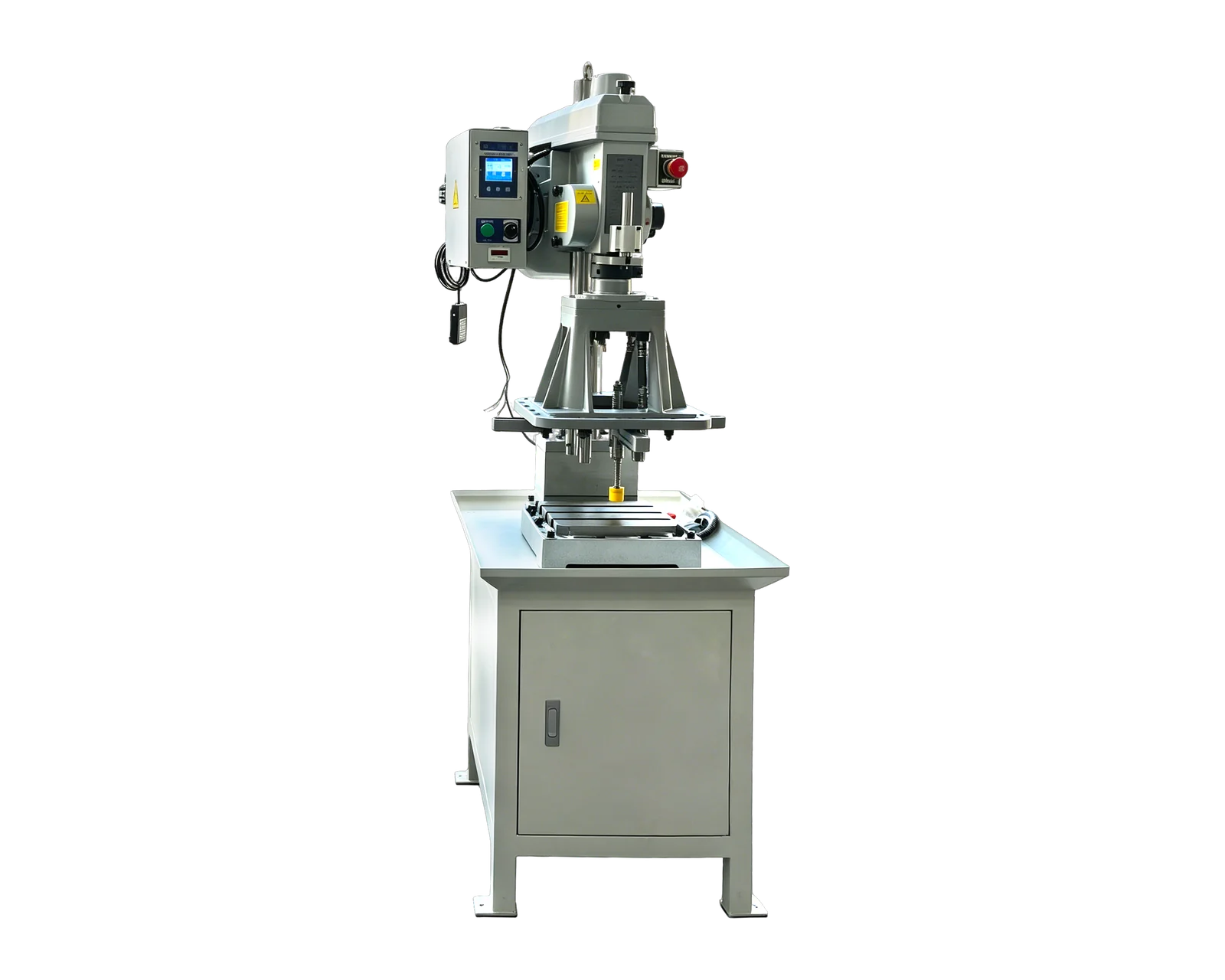
Explore equipment for your inquiry
4508 Gear-Driven Automatic Tapping Machine →Review the published specifications and configuration options against your part drawing before requesting a quote.
A hardness number needs its measurement context
Ask for the original material and inspection records rather than copying a number into an email. Preserve the reported scale, test information, location and part or lot identity. The quality owner should determine which method and reporting requirements apply to the component. If the record is incomplete, identify the missing input before treating it as a verified condition for tooling selection.
Mitsubishi Materials' basic-material course identifies hardness as an input to machining and distinguishes hardness measurement methods. The practical implication for this worksheet is simple: keep the method attached to the result. This article does not provide conversions between scales or a substitute test procedure. Ask the responsible laboratory or quality team to resolve unclear or inconsistent records.
Separate a supply limit from a measured observation
A drawing requirement states what is permitted; an inspection result describes what was measured. Keep both fields. If several lots share the same material grade, record their delivery conditions and any relevant treatment history separately. The grade name alone does not explain whether the samples supplied for a machining trial represent all the incoming conditions the equipment is expected to handle.
Avoid replacing a collection of results with an average in the equipment inquiry. Preserve the individual records and let quality staff explain their meaning and sampling coverage. A selected reading is not proof of every location on a part or every part in a lot. The trial plan should state what the available evidence represents, including the limitations of its sampling.
Build an incoming-lot and trial register
This original register is a communication template, not a new acceptance standard. Use a row for each trial group and attach the underlying records. Keep lots separate until the reviewers have agreed which conditions may share a process assessment.
Investigate a changed lot without changing every variable
Suppose a hypothetical shop sees more tapping interruptions after a new lot arrives. Retain the lot identity, tool history, incoming-hole records and inspection results from both periods. Hardness may be a review input, but the timing alone does not establish it as the cause. A different prepared hole, worn tool or changed setup also needs to remain visible to the process reviewer.
Ask the reviewer to define a controlled comparison and suitable trial boundaries. Record which variables were held consistent and which changed. Do not adjust settings repeatedly without a record and then attribute the final result solely to the material. A useful report connects a specific sample condition, documented process and accepted result, rather than simply saying that the harder batch ran successfully.
Write the supported incoming condition into the proposal
Agree whether the quotation covers one documented condition or a defined range of accepted supply conditions. Identify evidence still needed before the supplier can confirm the scope. Keep procurement's incoming specification aligned with that agreement; accepting a broader material supply later may require another application review even when the finished part number stays the same.
For BINSING, send the drawing, material records, representative sample identities and current machining observations. Ask for a suitability review and a trial plan tied to those inputs. Catalog equipment information does not establish an allowable hardness range for your component. The useful commercial output is a proposal that names its evaluated input and explains how a changed or unverified condition is escalated.
