
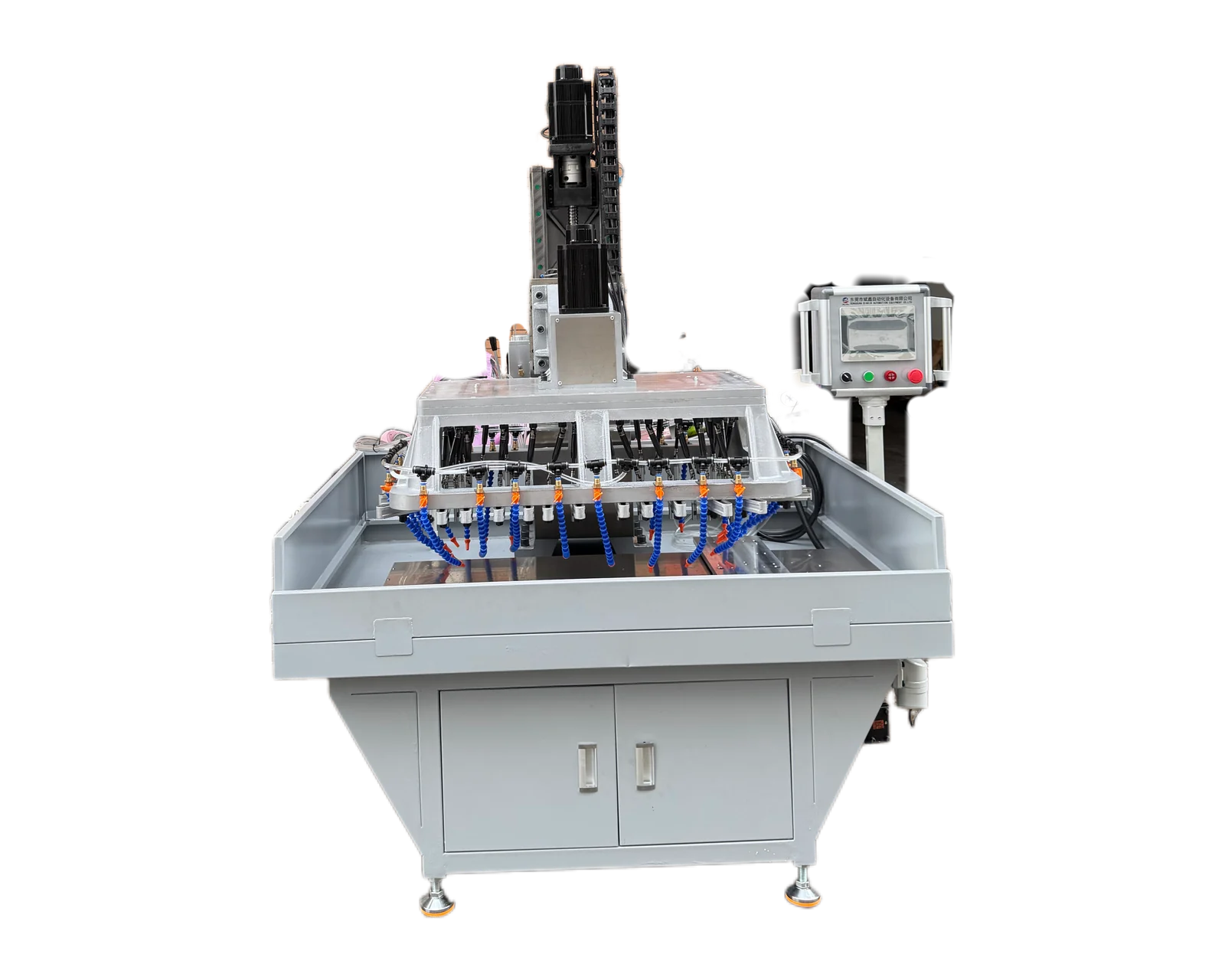
Explore equipment for your inquiry
Servo Traverse Multi-Spindle Drilling & Tapping Machine →Review the published specifications and configuration options against your part drawing before requesting a quote.
1. Identify statements supported by incomplete evidence
Early machine proposals may depend on information that the buyer expects to provide later. A representative sample may be pending, an upstream process may be undecided or a receiving interface may exist only as a concept. Record the exact assumption and why it was necessary. Avoid a broad disclaimer that leaves the team unable to identify which proposal decisions depend on which missing facts.
Here, expiry means the point when an assumption requires another technical review. It is separate from the quotation's commercial validity date. A proposal can remain within its stated commercial period while new evidence changes the basis of an application discussion. Equally, receiving a document does not establish a change until its relevance and contents have been reviewed by the responsible people.
2. Tie each assumption to a recognizable evidence event
Use events that a project coordinator can recognize without making the technical decision. Record what evidence must arrive, who reviews it and which proposal item may be affected. The following examples are possible review triggers, not statements about a particular BINSING quotation. Retain the original assumed condition so the reviewer can compare it with the evidence actually received.
3. Treat arrival as the start of review, not its conclusion
In a hypothetical inquiry, a quotation discussion uses a buyer's description of a part before representative incoming samples are available. When the samples arrive, the coordinator records their identities and receipt, then sends them to the designated reviewer. The assumption remains awaiting review until that person issues a conclusion connected to the received evidence. This example illustrates information handling rather than machine suitability.
If the sample differs from the described stage, record the difference without immediately declaring the proposal invalid or acceptable. Ask what scope decisions require reconsideration and whether additional information is needed. If it matches the assumed basis, record that limited confirmation and its sample references. Neither result should be expanded to cover unidentified variants, future process conditions or other assumptions awaiting separate evidence.
4. Preserve three possible outcomes and their effects
A reviewer may confirm the assumption for a defined scope, revise it to a newly stated basis or withdraw it because the original basis no longer applies. Preserve the evidence reference, decision author and affected quotation items. Where further information is needed, leave the review open. Do not force a closed status merely because the attachment has been received or a meeting has taken place.
Ask the supplier to identify any resulting proposal revision or scope qualification. A response matrix can then reflect the new confirmed or conditional wording, and a change record can address an actual requirement change where one exists. The assumption record serves a narrower purpose: it makes the transition from provisional belief to reviewed evidence visible before the purchasing summary treats that basis as settled.
5. Review unresolved assumptions before the next decision
Before comparing final proposals or authorizing the next project stage, identify assumptions whose evidence triggers have occurred but whose reviews remain incomplete. Distinguish those from evidence that has not yet become available. Assign the next action and state which decision depends on it. This gives purchasing a usable view of uncertainty without replacing technical judgments with a simple count of received documents.
For a BINSING quotation discussion, email the current drawing package, known information gaps and expected evidence events. Ask that material assumptions be identified with their affected scope and review conditions. When new information arrives, reference those assumptions directly and request an attributable conclusion, allowing the proposal to develop from a clearly recorded technical basis.
