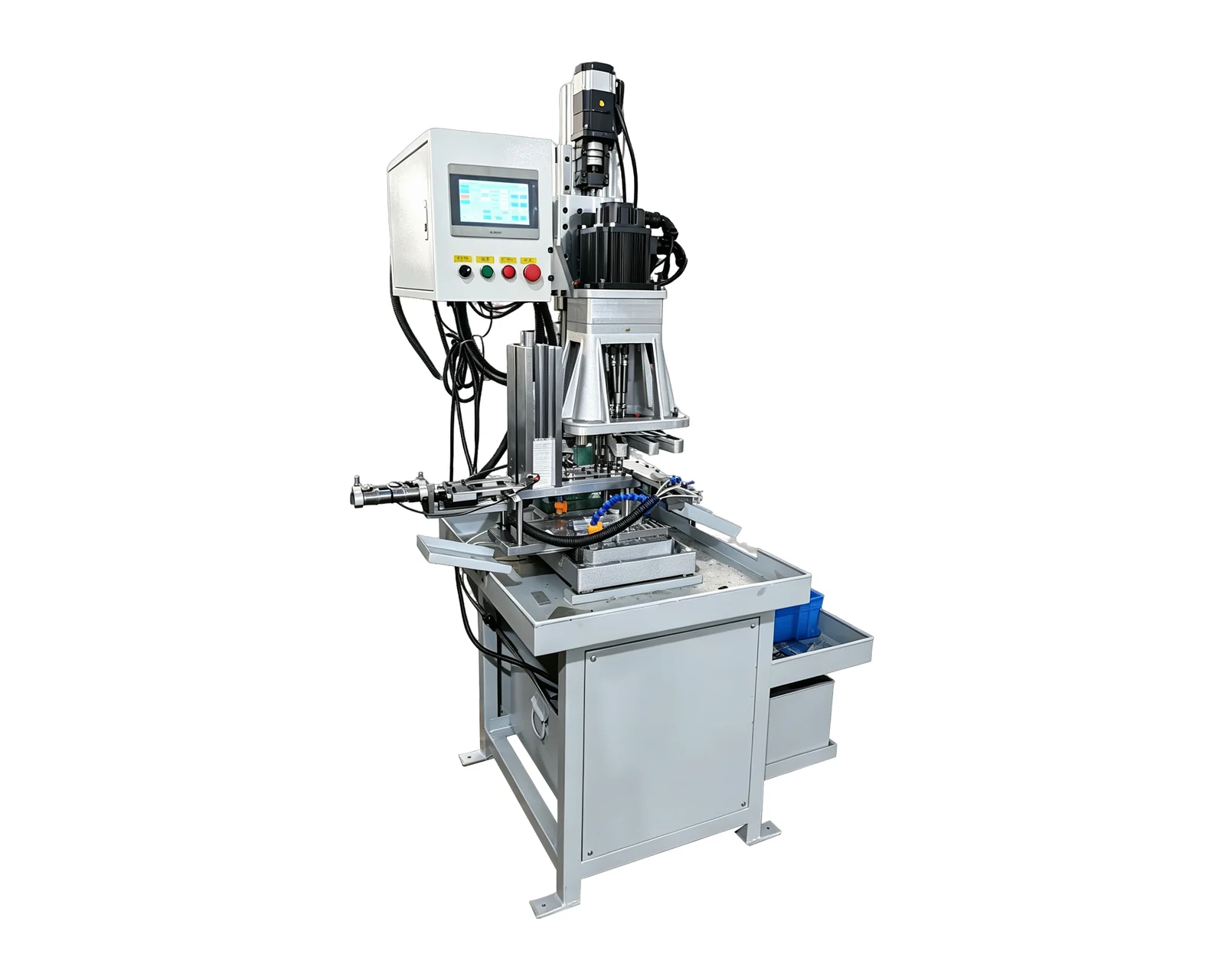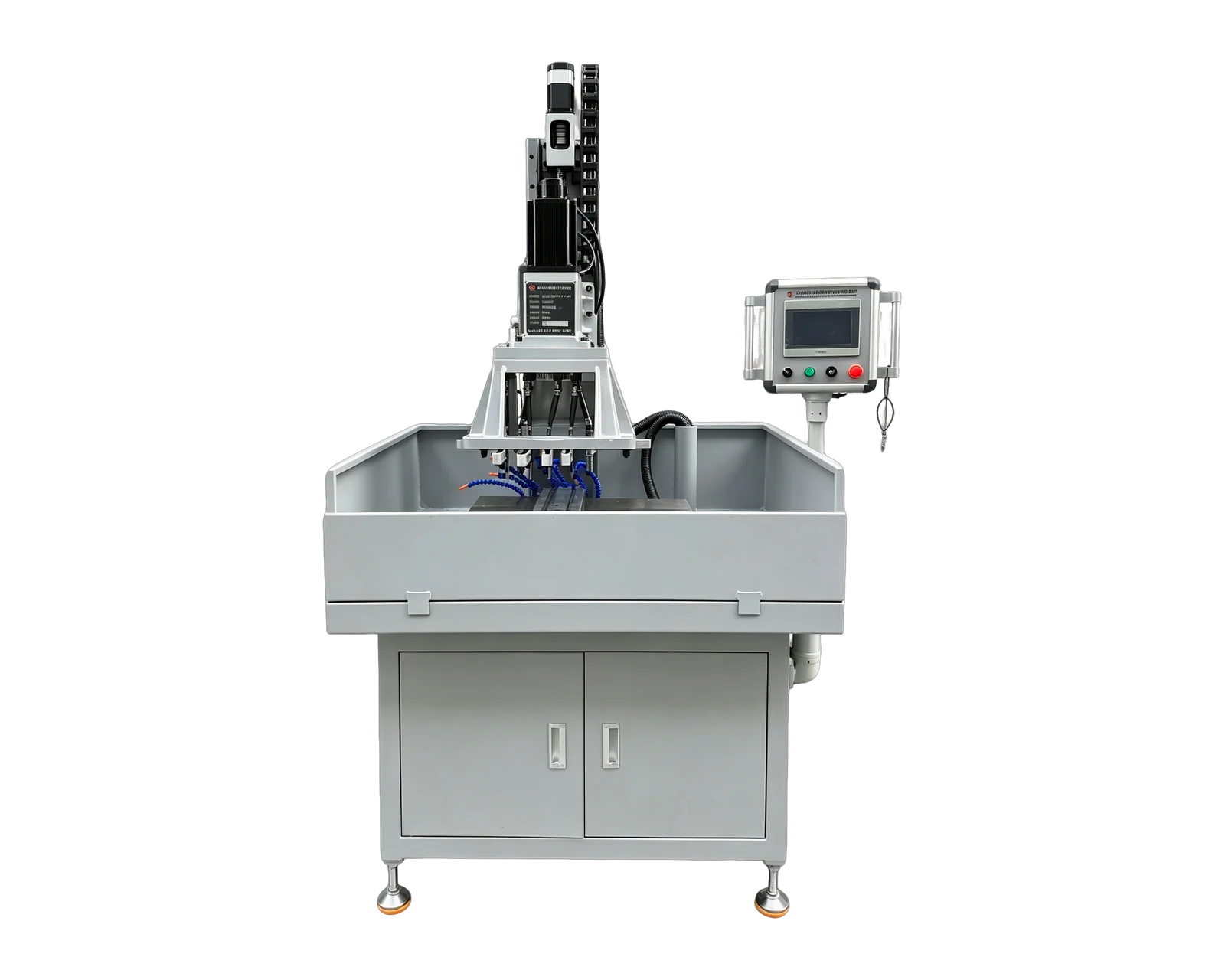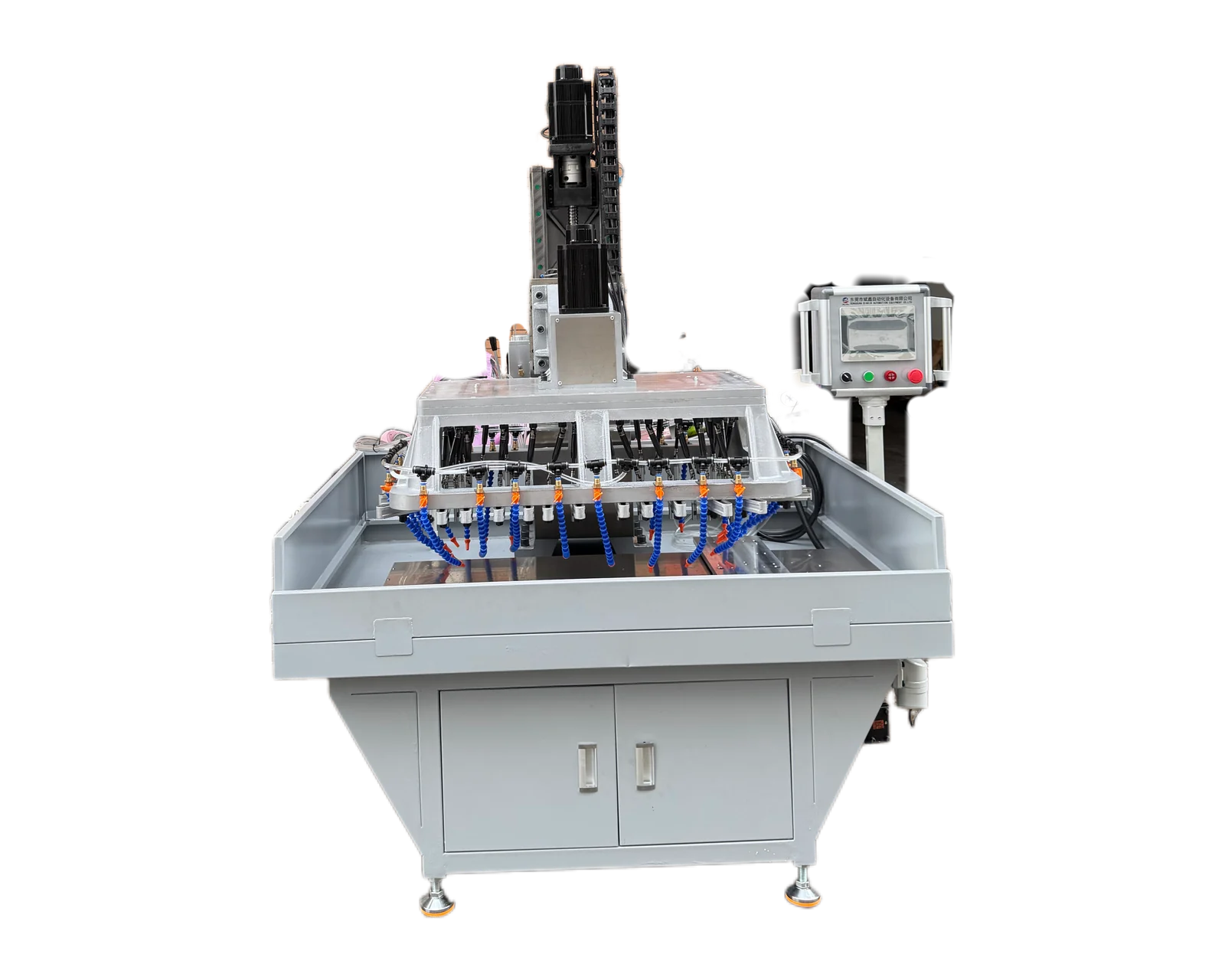
Explore equipment for your inquiry
Servo Traverse Multi-Spindle Drilling & Tapping Machine →Review the published specifications and configuration options against your part drawing before requesting a quote.
1. Turn a family list into an ordered delivery discussion
A spreadsheet containing many part numbers describes possible project breadth, but it does not tell the supplier which variants the buyer needs first. Add the intended launch sequence and the reason each group matters. The objective is to coordinate information and evidence delivery with the buyer's actual production plan, while preserving a clear distinction between requested coverage and demonstrated coverage.
Use buyer-confirmed priorities rather than allowing file arrival order to determine the programme. The easiest sample to obtain may not be the component required for the first production release. At the same time, an urgent variant with an unresolved drawing cannot be treated as ready merely because its planned use is near. Keep priority and readiness in separate columns and discuss dependencies explicitly.
2. Classify launch need and evidence readiness separately
Give every variant an intended group and an evidence status. Include a reference to the broader family scope record where technical similarities and differences are defined. This launch list concerns the order of deliverables, rather than deciding which sample represents the technical limits of the family. The categories below are planning prompts and do not establish supplier lead times or guaranteed release dates.
3. Prevent an early result from becoming family-wide approval
In a hypothetical project, a buyer needs variants A and B for the initial launch, while C is planned later. Samples of C happen to arrive first. A trial on C might provide useful information, but its timing does not make it the first-launch acceptance evidence for A and B. The responsible reviewers must identify what, if anything, transfers and what separate work remains.
Record the early trial as evidence for its actual component and purpose. If it supports a shared question, reference that conclusion and its limits in the launch plan. Keep A and B's outstanding evidence visible until reviewed. These invented variant labels illustrate sequencing; they do not establish representative-part selection rules or imply that any particular machine can accommodate the family without application review.
4. Define what each launch group must receive
For each group, list the information and deliverables the buyer needs to make its next decision. Depending on the agreed scope, these may include identified trial evidence, applicable tooling references, documented settings scope or operator information. Confirm the actual deliverables with the supplier. Do not describe a group as complete based solely on a successful demonstration if its agreed handover information remains missing.
When priorities change, review the affected dependencies with the supplier and the buyer owners. Moving a later variant forward may require additional samples or decisions and may affect work already planned. Request a revised sequence and identify which commitments need reconfirmation. Preserve the earlier plan as a reference so reviewers can understand why the evidence package or delivery order changed.
5. Include launch priorities in the machine inquiry
Send the complete known family list while distinguishing the immediate requirement from later possibilities. Attach available drawings and identify missing samples or unconfirmed revisions. Ask the supplier which information is needed to review the first group and what additional assessment would be required for later groups. This creates a practical discussion of phased scope without hiding the broader application context.
Email BINSING the variant list, intended first-launch parts and available evidence for each. Request a proposed review sequence with prerequisites and clear coverage boundaries. Have your production and quality owners confirm which evidence supports their decisions. The resulting plan should make it easy to see what can be reviewed next, what is waiting on information and what remains outside the present proposal.