Explore equipment for your inquiry
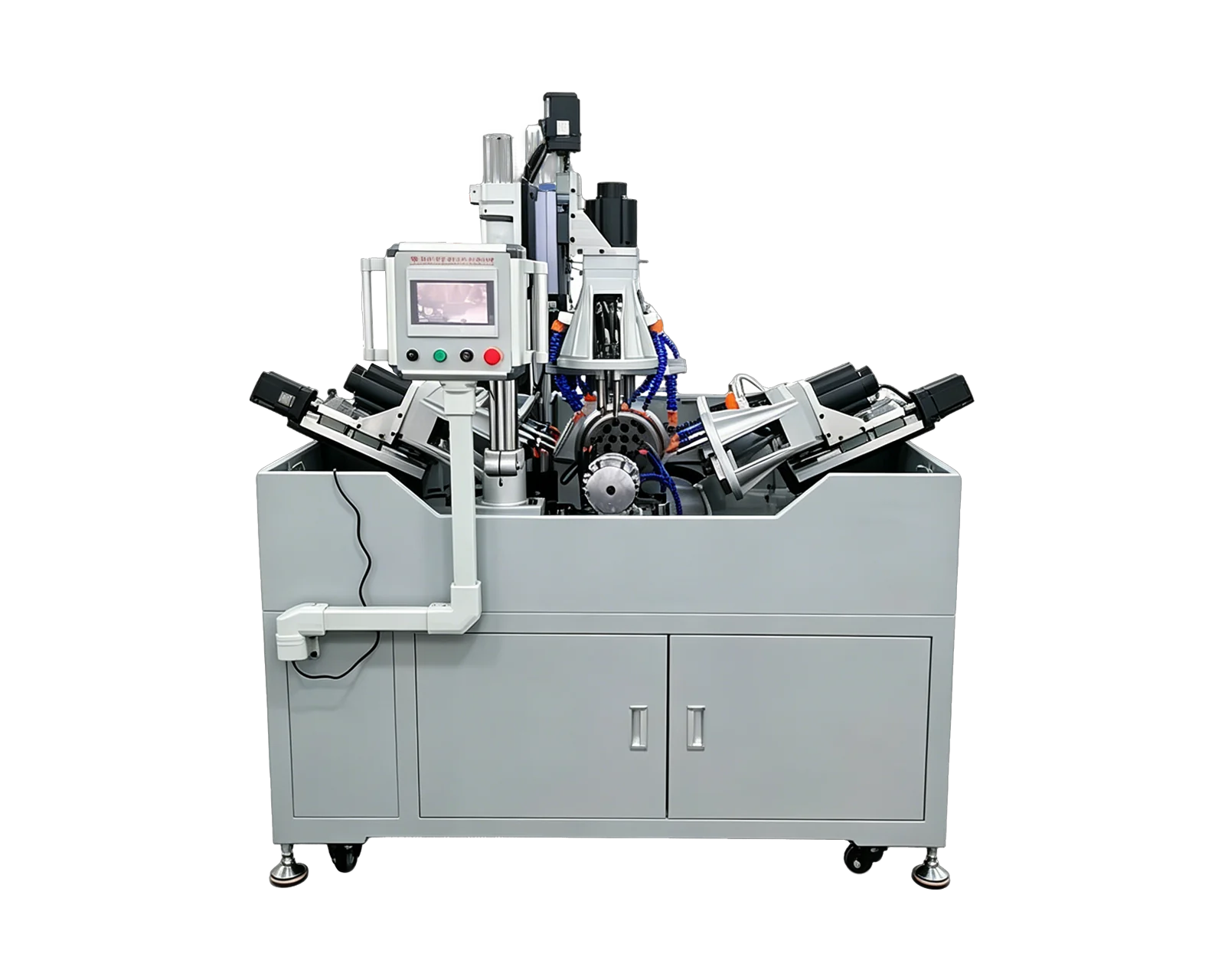
Dual-Servo Multi-Spindle Drilling & Tapping Machine →Review the published specifications and configuration options against your part drawing before requesting a quote.
Replace the phrase heat treated with a defined process
A drawing note, a material delivery condition and a later subcontract operation can all be described informally as heat treatment. Put the actual specification and route revision beside each operation. State whether the workpiece arrives before treatment, after treatment or between approved treatment stages. A quotation for the finished component can otherwise hide the condition the drilling station will actually receive.
Bodycote distinguishes annealing, hardening and tempering, case hardening and stress relieving in its precision-treatment overview. These have different purposes; its stress-relieving description specifically addresses residual stress and dimensional change. That distinction supports a route-specific review. It does not establish a universal sequence, machining allowance or dimensional prediction for an unidentified alloy and component.
Trace one critical feature through the whole route
Choose a hole, thread or locating face that controls acceptance and list every later operation it experiences. Ask the design owner whether its final geometry, surface and material condition are required at the same stage. If a hole is prepared before treatment and finished afterward, describe both operations and the intermediate feature. Do not reuse the finished drawing as the complete instruction for every stage.
For a threaded feature, identify when the thread is created and when it is finally inspected. If a proposed later operation would remove material from a treated surface, obtain the relevant design and treatment review before including it in the route. The equipment comparison should show which features are complete at discharge and which remain work in progress.
Compare routes with a stage worksheet
Use this original worksheet for each proposed sequence. Entries should refer to controlled drawings or specifications rather than broad labels such as soft part and hard part. The approval column prevents a convenient supplier assumption from becoming an undocumented product decision.
Compare the complete route, including the return journey
Consider a hypothetical bracket with mounting holes and a threaded adjustment feature. One proposal finishes all features before treatment; another leaves a defined finishing operation afterward. Compare the required evidence for both proposals, including transport, identification, receiving checks, additional setup and final inspection. The lower initial machining price does not answer whether either proposed sequence meets the drawing.
Keep treatment lead time separate from machine cycle time. Record whether parts return to the same fixture, use a different locating arrangement or require an upstream reference to be restored under an approved process. These are quotation inputs, not reasons to assume a second machine is necessary. Ask each supplier to describe its included operations and unresolved dependencies.
Trial the state that production will actually supply
Send representative samples in the proposed incoming condition, with traceable treatment history where applicable. A trial on an untreated prototype can inform workholding or access, but its machining observations should not be presented as results for the treated production input. Keep those conclusions separate in the trial report and identify any additional evaluation required.
For a BINSING inquiry, submit the finished drawing, stage drawing, treatment specification, available hardness information and quantity. Request a machining suitability review for that defined stage. Preserve the accepted route beside the equipment proposal so that moving treatment earlier or later triggers a review of tooling, fixture references and inspection responsibilities before the purchase is finalized.