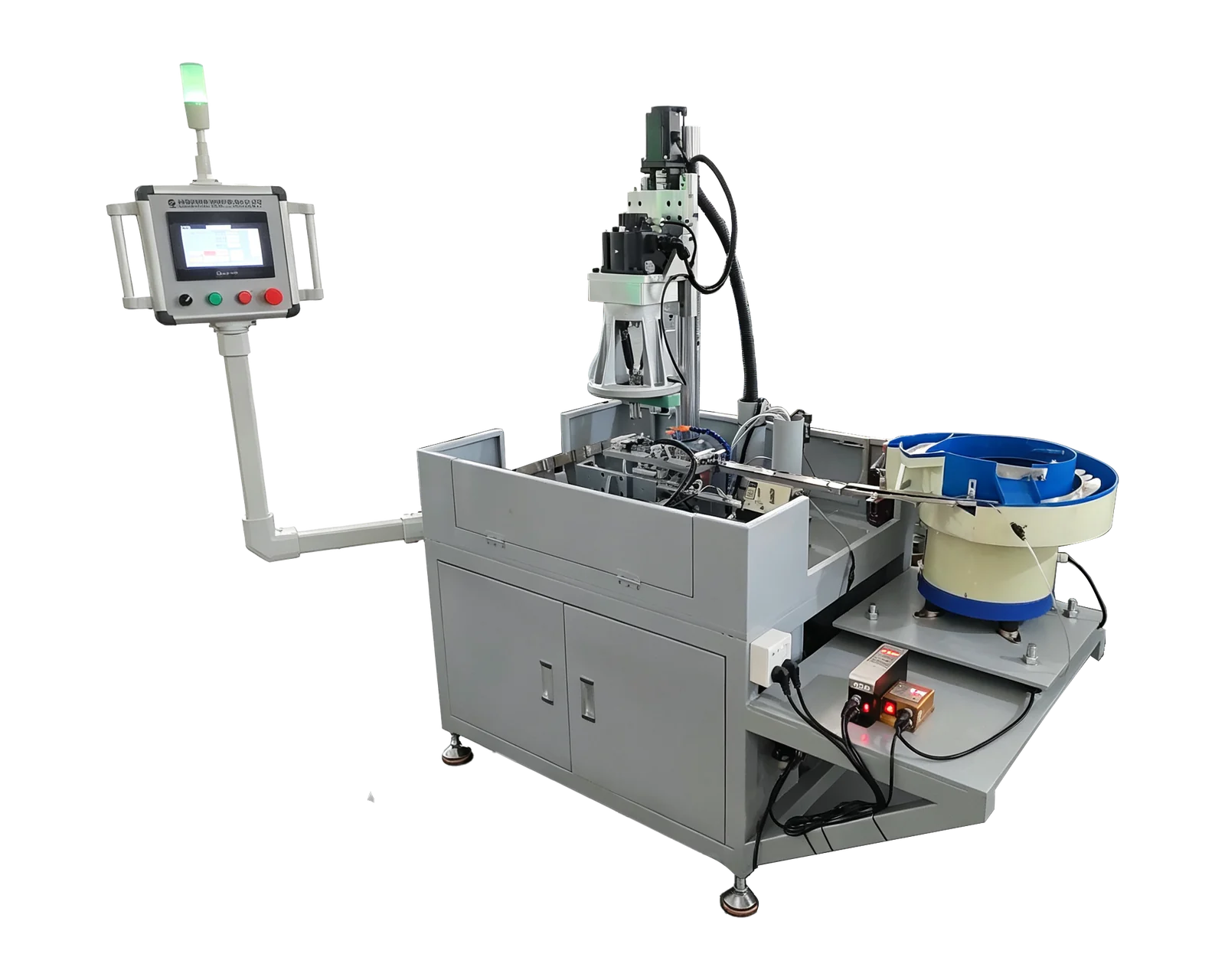
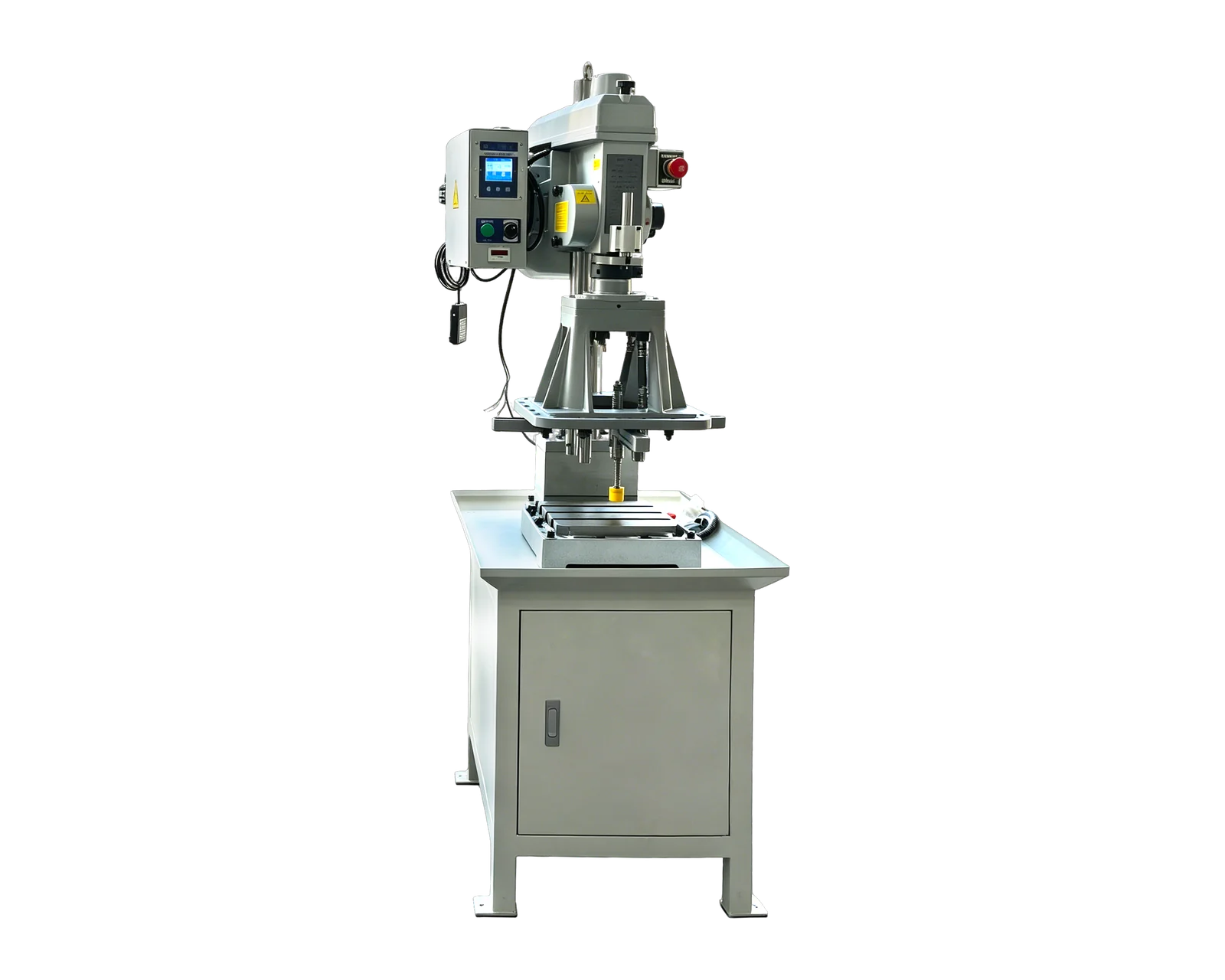
Explore equipment for your inquiry
Dual-Servo Multi-Spindle Drilling & Tapping Machine →Review the published specifications and configuration options against your part drawing before requesting a quote.
1. Define the starting point of the trial
A trial booking, a parcel of samples and the latest email attachment can describe three different versions of a project. Before the supplier begins the agreed work, reconcile them into one input list. The purpose is to establish what the run will actually evaluate. This list does not report results or prescribe who witnesses the work; it identifies the conditions against which later evidence can be interpreted.
Choose a practical confirmation point with the supplier and name the buyer reviewer who can release the information for that purpose. Freeze means changes become visible, not that the project can never change again. Where an input remains provisional, identify the limitation and obtain a decision on whether the proposed run is still useful. An unresolved requirement should not disappear because the trial date has arrived.
2. Give each input a retrievable reference
Use a short register that points to the actual files and physical items. Avoid descriptions such as current drawing or standard tooling unless those words resolve to an identified version and agreed scope. The five rows below organize a trial discussion; the supplier and responsible buyer specialists still need to confirm the actual equipment, tooling and examination arrangements for the application.
3. Give late information a separate decision
Consider a hypothetical buyer who approves a trial on drawing revision B, then sends revision C after the samples have arrived. Revision C changes a requested thread feature. The supplier should not be left to guess whether the new file replaces the trial scope or only informs future production. The buyer identifies the changed feature, and both sides confirm whether the planned run can address it.
If the change arrives after machining, preserve revision B as the input for the completed run. A reviewer may decide that some observations remain relevant, but that decision needs a stated scope and supporting rationale. Label any further work against its own revised input list. This invented example illustrates record clarity and does not describe a particular BINSING trial service or modification arrangement.
4. Record confirmation without disguising missing inputs
A useful release record names the input-list version, the confirming people and any agreed qualifications. Confirmation should mean the defined information is suitable for the stated trial purpose, rather than a blanket approval of the eventual machine. Link unresolved questions to their owners and explain how each affects the intended run. Some questions may limit the conclusion; others may require postponing the affected work.
Keep the record accessible to the person arranging the trial and the person reviewing its evidence. When files are replaced, retain the earlier reference and record the transition. A forwarded email saying use this one is difficult to interpret later if its attachment name was reused. A distinct document revision and a short change note make the transition reviewable without a long correspondence search.
5. Send a trial request with an input checklist
Prepare the drawings, sample list and intended questions together, then ask the supplier what additional inputs are required before scheduling the agreed work. Identify buyer-supplied items separately from items whose selection remains part of the supplier discussion. Ask how confirmation of the starting information will be recorded and how late revisions should be communicated to the project contact.
For a BINSING inquiry, email the part references, actual sample condition and checks you want the trial to support. Include a proposed input-list version and any known differences between the samples and intended production parts. Request confirmation of the available trial scope and its prerequisites. A clear starting baseline lets your team compare the resulting evidence with the exact question it commissioned.