Explore equipment for your inquiry
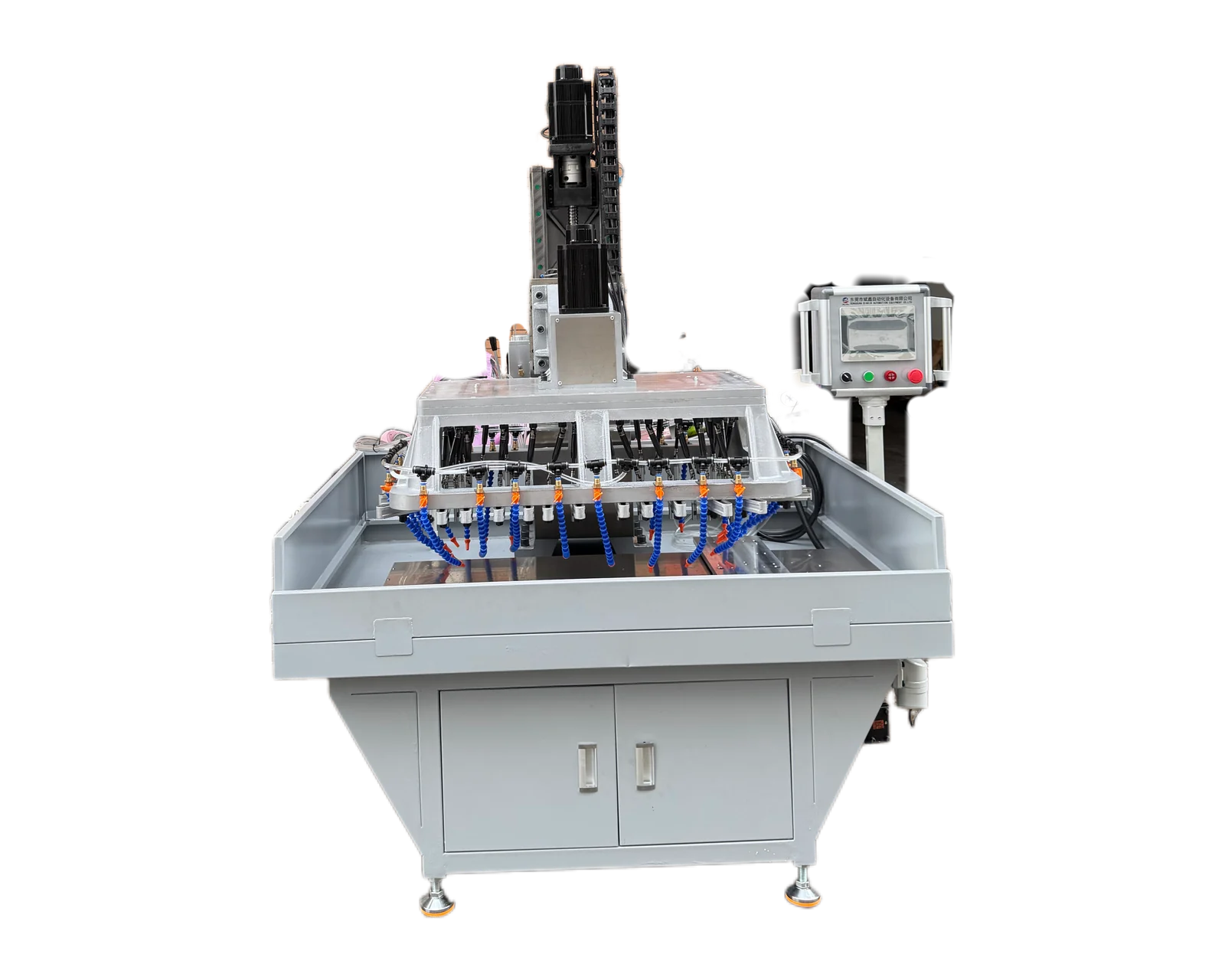
Dual-Servo Multi-Spindle Drilling & Tapping Machine →Review the published specifications and configuration options against your part drawing before requesting a quote.
Define the event from last accepted part to released production
Record what the production team calls a changeover. Include any machine-stopped fixture exchange, tool adjustment, program selection, trial pieces and release checks that belong to that event. Tasks performed in parallel away from the machine may consume labor without consuming the same machine minutes. Keep both measures rather than combining them into one unexplained setup figure.
Use a representative schedule containing actual part revisions and batch sizes. Count changes between jobs, including a return to an earlier variant if it needs another setup. This article adds a scheduling and cost model to the existing part-family changeover guide; it does not prescribe fixture changes or an approved operating method. Every duration below is hypothetical.
Separate production minutes from theoretical output
Assume an eight-hour shift with 60 minutes already excluded for other planned activities. Available time before changeovers is therefore 420 minutes. Assume each changeover stops the machine for 30 minutes, and the run rate is one completed part per two minutes. The simplified capacity formula is (420 − 30 × changeovers) ÷ 2. It excludes unplanned interruptions and rejects; it is not a shipment promise.
Add only costs that actually change
For an illustrative 20-shift month, compare three changes per shift with one change per shift. The schedules contain 60 and 20 changeovers respectively, a difference of 40. Suppose each event uses six currency units of setup consumables and four units of trial-part cost, both excluded from other cost lines. Reducing 40 events then avoids 400 currency units under these assumptions.
The same schedule releases 40 × 30 = 1,200 machine minutes, or 20 hours. Report those hours alongside the 400-unit cost result, not inside it. If employees work the same paid hours, their time release does not establish a payroll reduction. If paid overtime is demonstrably avoided, add that actual incremental amount once and show the calculation. A full absorbed hourly rate should not be presented as a cash saving simply because the machine stops less.
Changing the schedule may require larger batches and more work in progress. Include those consequences in a separate comparison using the factory's actual requirements. One change per shift is not automatically feasible when small orders have different due dates. A model that ignores demand timing can favor a schedule that cannot satisfy customers.
Compare a faster changeover at the same schedule first
Suppose a proposed fixture package reduces an observed event from 30 to 18 minutes while the schedule remains at three changes per shift. Run time becomes 420 − 3 × 18 = 366 minutes, giving 183 ideal completed parts at the assumed two-minute rate. The increase over the 165-part baseline is 18 parts per shift. This is a capacity illustration and must be validated against actual demand and process performance.
There are still 60 monthly changes in that comparison. Do not reuse the 400-unit saving from the fewer-event example unless consumable or trial-part consumption also changes. Likewise, the faster package may have its own acquisition, maintenance or replacement cost. Request a scope-specific quote and observed changeover evidence before making an investment conclusion.
Replace assumptions one line at a time
Record several representative changes rather than selecting only the quickest demonstration. Retain old and new variant identities, people involved, machine-stopped duration and release conditions. Note an unusual delay separately so reviewers can understand the range. Confirm that faster preparation has not simply moved a required check outside the measurement window.
Send the weekly job mix and the current changeover record with your equipment inquiry. Ask the supplier which actions the proposed package changes and which remain with the buyer. Keep the model editable so production can revise frequency while purchasing revises actual costs. That makes the proposal useful when order mix changes instead of locking the decision to one favorable shift.