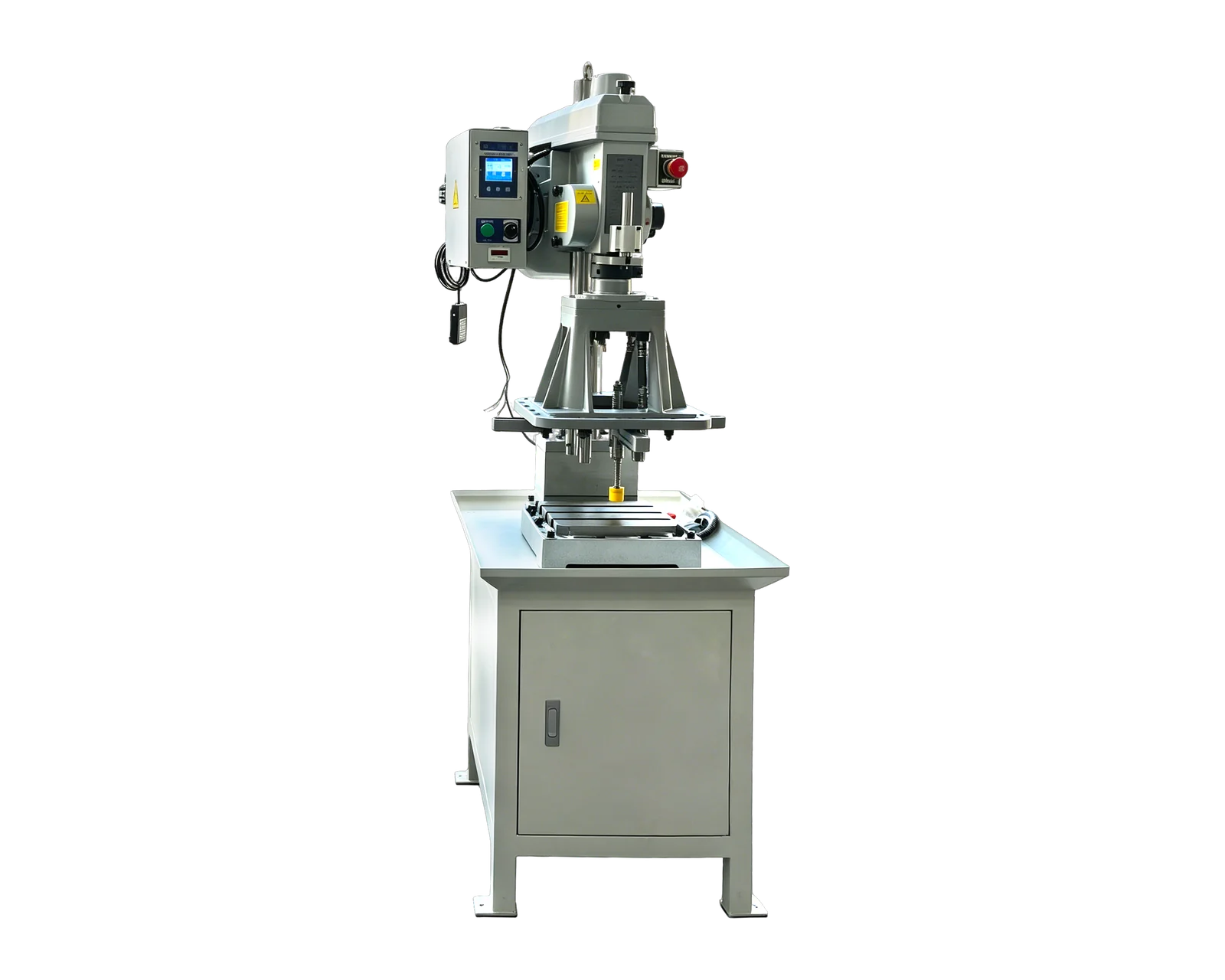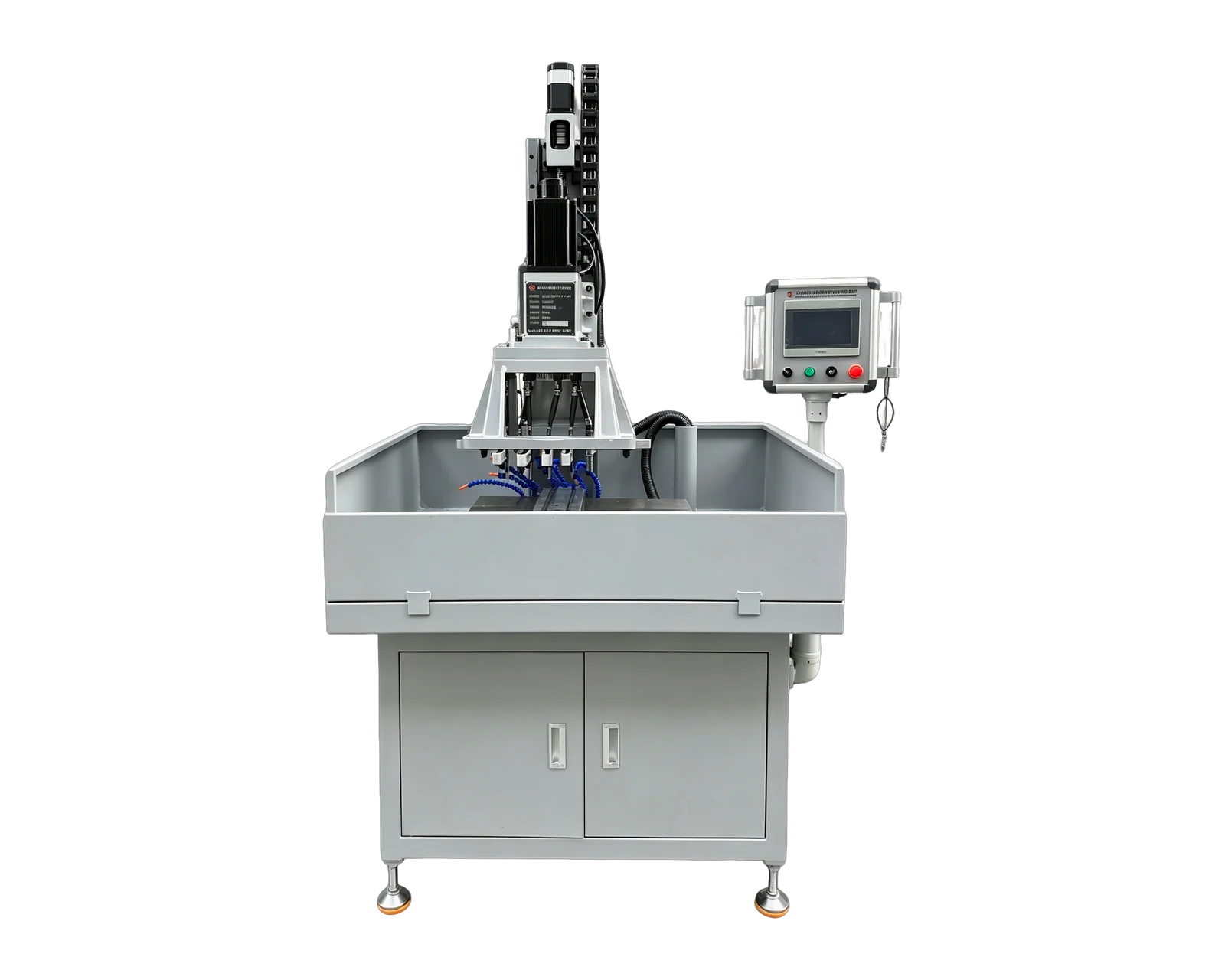
Explore equipment for your inquiry
Dual-Servo Multi-Spindle Drilling & Tapping Machine →Review the published specifications and configuration options against your part drawing before requesting a quote.
Choose an output definition that two people can reproduce
Use a closed batch for an initial comparison. State the incoming state, included machining operations and final acceptance boundary. A unit accepted after drilling is not equivalent to a unit accepted after drilling, tapping and the agreed checks. Identify each physical unit once, even if it passes through the machine again. If the period contains unfinished work, reconcile it separately rather than assigning all spending to an incomplete output count.
This is an original operational planning template, not a prescribed financial reporting method. Your team chooses the cost boundary. A machining-only view can exclude purchased blanks; a delivered-part view may include them. Either can be useful when labeled and applied consistently. Keep the resulting unit-cost comparison separate from the earlier break-even investment calculation: they answer different questions.
Fill in one cost ledger and one output ledger
Record the source and inclusion rule beside every value. An hourly machine rate may already contain maintenance, depreciation or energy, so do not add those items again without checking its definition. Likewise, employee hours taken from a complete time record may already include rework. The point of the worksheet is a traceable total, not a longer list of charges.
Worked example: 1,000 incoming parts, 960 accepted
All numbers in this example are invented monetary units and quantities, not BINSING prices or process results. A closed batch contains 1,000 incoming parts. Of these, 920 pass initially, 60 enter rework and 20 are rejected immediately. Rework recovers 40 of the 60; the remaining 20 are rejected. Final accepted output is 920 + 40 = 960, total rejects are 40 and no units remain unfinished. The output reconciliation is 960 + 40 = 1,000.
Assume original-process labor of 600, tool consumption of 180, energy and other included services of 90, setup of 150 and a separately defined equipment allocation of 300. These sum to C = 1,320. An additional 80 for rework is explicitly absent from all five original categories, making total included cost 1,400. The machining cost per accepted part is therefore 1,400 / 960 = 1.4583, or 1.46 rounded for display.
Dividing by the 1,000 incoming parts produces 1.40, a different metric that understates the cost per accepted unit. Adding 60 rework attempts to accepted output also miscounts physical units. Do not add another charge for the original processing of the rejected parts: their original labor and consumption are already within C. Material replacement or disposal costs belong in a broader boundary only when explicitly included and not counted elsewhere.
Use a sensitivity calculation without disguising its assumptions
Keeping the illustrative 1,400 total constant gives 1.4286 per accepted unit at 980 accepted, 1.4583 at 960 and 1.5556 at 900. This isolates the denominator effect; it is not a prediction that improving yield leaves cost unchanged. A real improvement may require different tools, added inspection or more process time. Update both quantities and costs when the process changes.
Compare quotations by asking what evidence supports accepted output and what cost items remain buyer-supplied. A faster machine cycle is only one input. When submitting an inquiry, provide the current acceptance boundary, measured batch results and included operations. Keep product quality requirements fixed across alternatives so a lower unit cost does not simply reflect less completed work.