Explore equipment for your inquiry
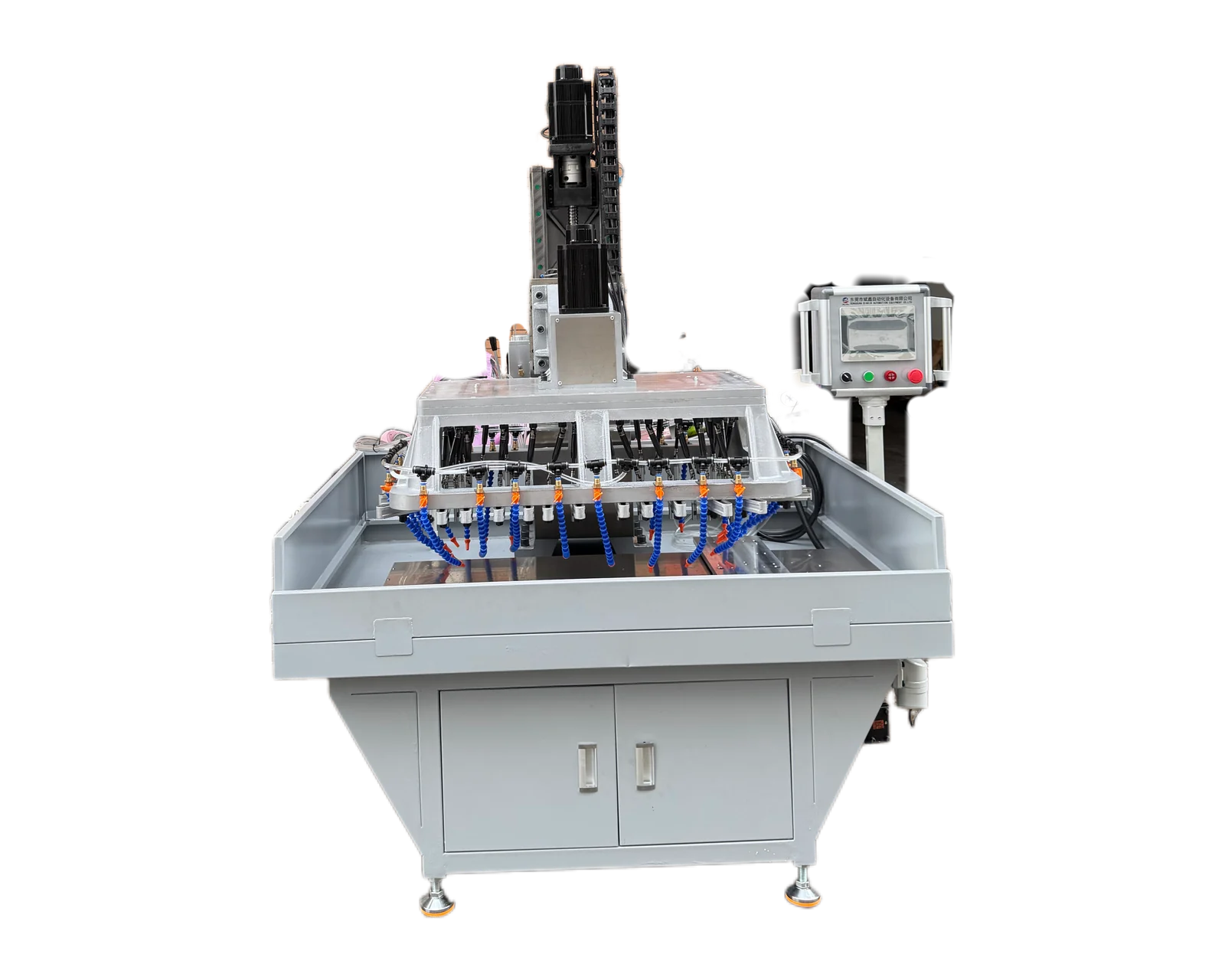
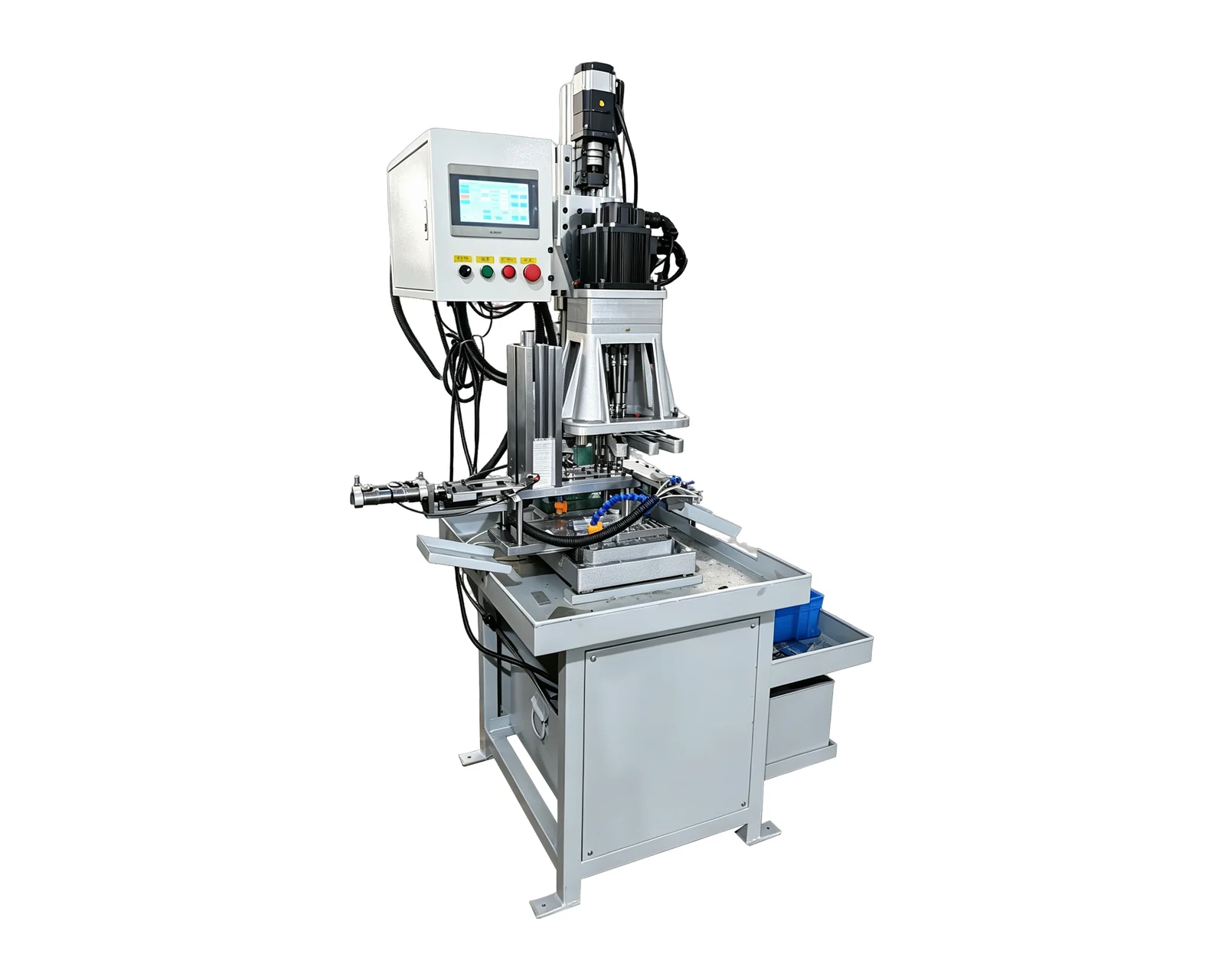
Dual-Servo Multi-Spindle Drilling & Tapping Machine →Review the published specifications and configuration options against your part drawing before requesting a quote.
Fix the production requirement before counting machines
Write down accepted units by part number, batch size, shift length and permitted staffing. Include incoming format: loose parts, oriented trays or individually presented blanks. A quote for one automatic cell and a quote for two manually loaded platforms must cover the same operations and final checks. If one includes collection or inspection equipment and the other does not, complete those scopes before comparing cost or output.
The earlier automation-scope guide identifies which tasks are included. This comparison addresses a different question: whether those tasks can be performed at the required times across the proposed equipment. Lean Enterprise Institute's standardized-work reference separates manual, walking and machine time in a combination table. That provides a useful foundation for a joint operator-and-machine schedule; it does not establish a staffing ratio for your factory.
A second machine helps only when its service window fits
The following original example assumes each semi-automatic machine needs 15 seconds of attended exchange and start work followed by 45 seconds of independent operation. Walking between machines takes five seconds. It describes a repeating timing concept only: approved guarding, access and operating procedures must permit the arrangement. No inspection, replenishment or interruptions are included in these invented times.
Use the empty window honestly
After startup, that ideal schedule completes two parts every 60 seconds, equivalent to 120 parts per hour before any losses. It does not show that the operator can also inspect every part or replenish supply. A separate check requiring 25 uninterrupted seconds cannot fit inside the listed 20-second unassigned window without changing the sequence. Identify whether work can be reorganized, staffing is required or output must be revised; do not silently place it inside machine-running time.
Compare the automatic proposal using its own demonstrated collection, replenishment and service windows. For example, a claimed 30-second output interval would have the same ideal 120-part hourly count, but the claim still needs complete-run evidence. Scheduled feeder attention and checks may change achieved output. Record the longest conflict as well as average attended seconds: an average can hide two machines needing the same person at the same moment.
Compare three schedules, including an interrupted one
First schedule the main high-volume part. Next schedule the actual mixture of variants, including first-part checks and changeovers. Two platforms might keep separate fixtures ready, but only if each machine is confirmed for its assigned work. One automated cell might handle the mixture with a reviewed changeover, but neither feed-path compatibility nor changeover duration should be assumed. Use a named drawing revision for every coverage statement.
Finally, model one unavailable machine or station without inventing a failure probability. Two equivalent independent machines may retain some output when one is unavailable; that conclusion fails if they share an unavailable service or only one can make the urgent part. An automatic cell may also depend on common feeding or collection equipment. List the remaining feasible jobs and available staffing in each scenario rather than describing either purchase as inherently redundant.
Request the scope, observed sequence and exception list together. The decision may favor one cell for a stable demand pattern or two platforms for a varied schedule, but the comparison should explain exactly which conditions support the result. Retain unconfirmed variants and operator conflicts as open items before using the quote in a production commitment.