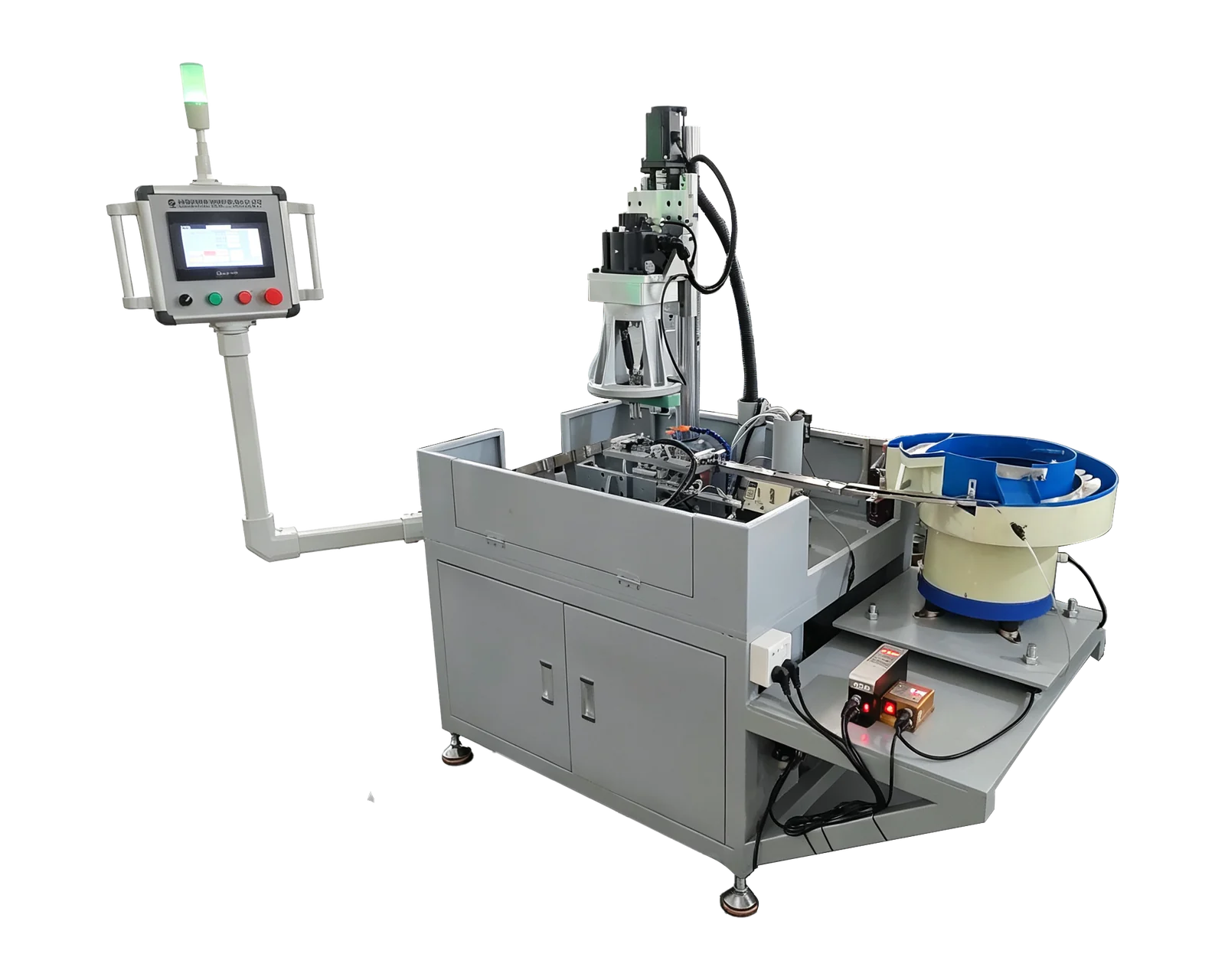
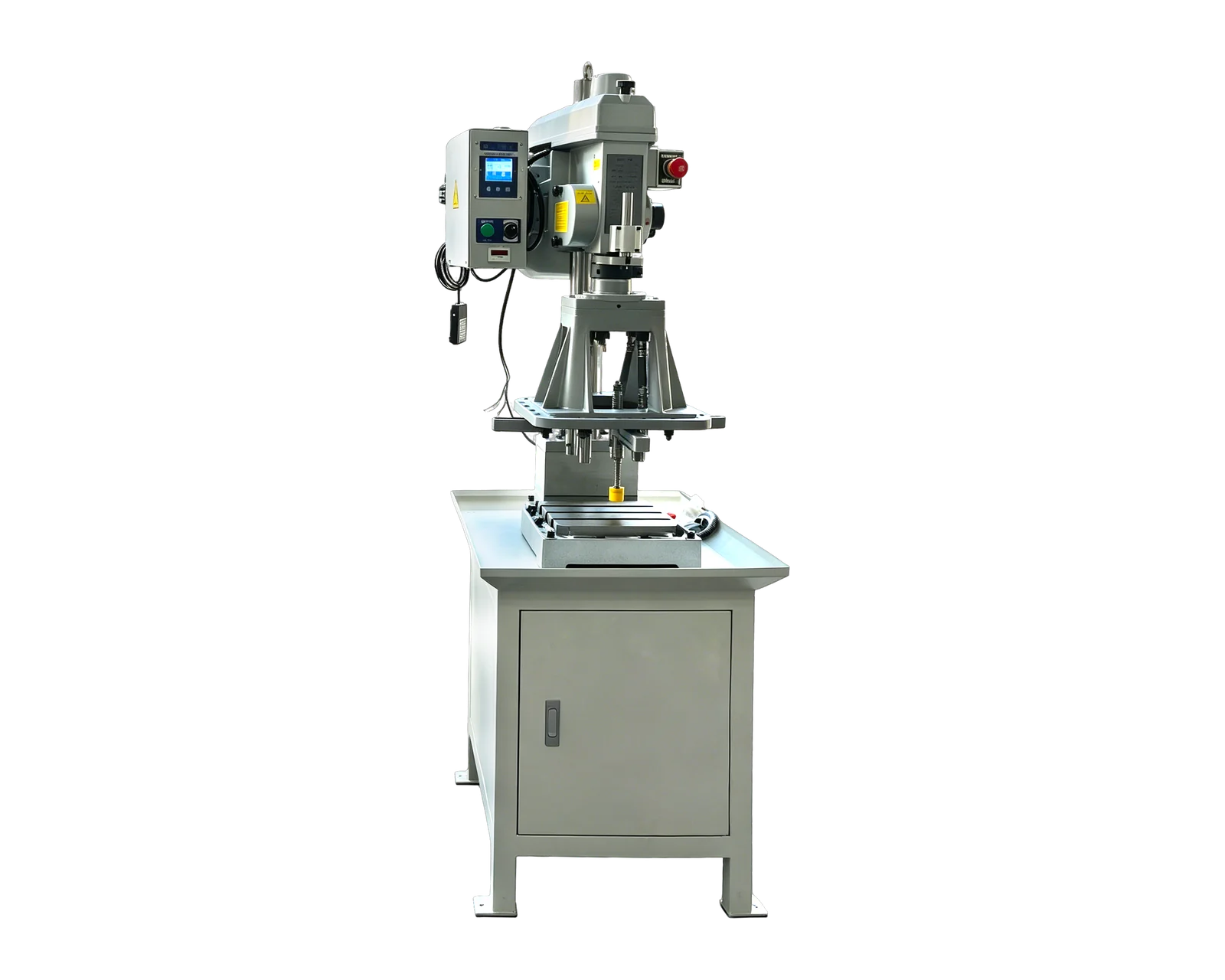
Explore equipment for your inquiry
Dual-Servo Multi-Spindle Drilling & Tapping Machine →Review the published specifications and configuration options against your part drawing before requesting a quote.
Start with what the assembled joint must do
Write down the intended mating fastener, service conditions and whether disassembly is part of the product requirement. Let the design owner establish acceptance requirements for the complete joint. A quotation request that only says plastic part with a threaded hole leaves the supplier guessing whether machining is already approved or whether the joining method remains undecided.
Identify the exact resin designation and any reinforcement from the material specification. Add the actual supplied condition and relevant manufacturing history. Do not group every engineering plastic under one generic machining assessment. If the product team is still comparing materials or joint concepts, label the alternatives and request separate feasibility reviews rather than one unconditional equipment commitment.
Separate thread creation from insert installation
In a direct-tapping route, the approved process creates the required thread in the plastic component. In an insert route, the component receives a specified insert through its defined installation method. The resulting operations and incoming-hole requirements are different. Neither route can be selected responsibly from the final screw size alone.
SPIROL describes heat/ultrasonic, press-in, self-tapping and molded-in insert categories, with different installation requirements. Its design guidance treats the insert, plastic and hole as a system. Use the insert manufacturer's application review for that system. These source distinctions explain why insert installation must have its own scope; they do not establish that BINSING supplies molding or insert-installation equipment.
Compare complete routes with this decision sheet
This original worksheet keeps the design decision separate from the equipment quotation. Fill both columns from approved requirements and supplier responses. A blank cell means an unresolved input, not a zero-cost step or an automatically acceptable result.
Make the trial match the proposed product route
Consider a hypothetical cover whose prototype uses a machined plastic blank, while production would use molded parts. Record that difference in any trial. The quality and design teams should decide what additional production-representative evidence is required. A prototype that accepts the screw is useful information, but it should not silently stand in for the complete production specification.
Keep the inspection of the machined hole or thread separate from the verification of the assembled joint. For inserts, record the exact insert, installation process and incoming hole represented by each sample. For direct tapping, retain the resin identity and preparation history. This makes a later change assessable without relying on an unlabelled sample retained in a drawer.
Send the machining supplier the approved boundary
If a machining operation remains in the chosen route, send BINSING its stage drawing, material specification, quantity and accepted starting condition for a suitability review. Identify installation, molding and product qualification as separate responsibilities unless expressly included by the relevant supplier. The catalog platform shown here illustrates a machining discussion, not a confirmed plastics application.
Ask the proposal to name any unresolved input that prevents selecting tooling or workholding. If the joint concept changes from direct threads to inserts, review the quotation again: the required hole and downstream operations may no longer match the original scope. Preserve the design approval and route revision beside the equipment comparison.