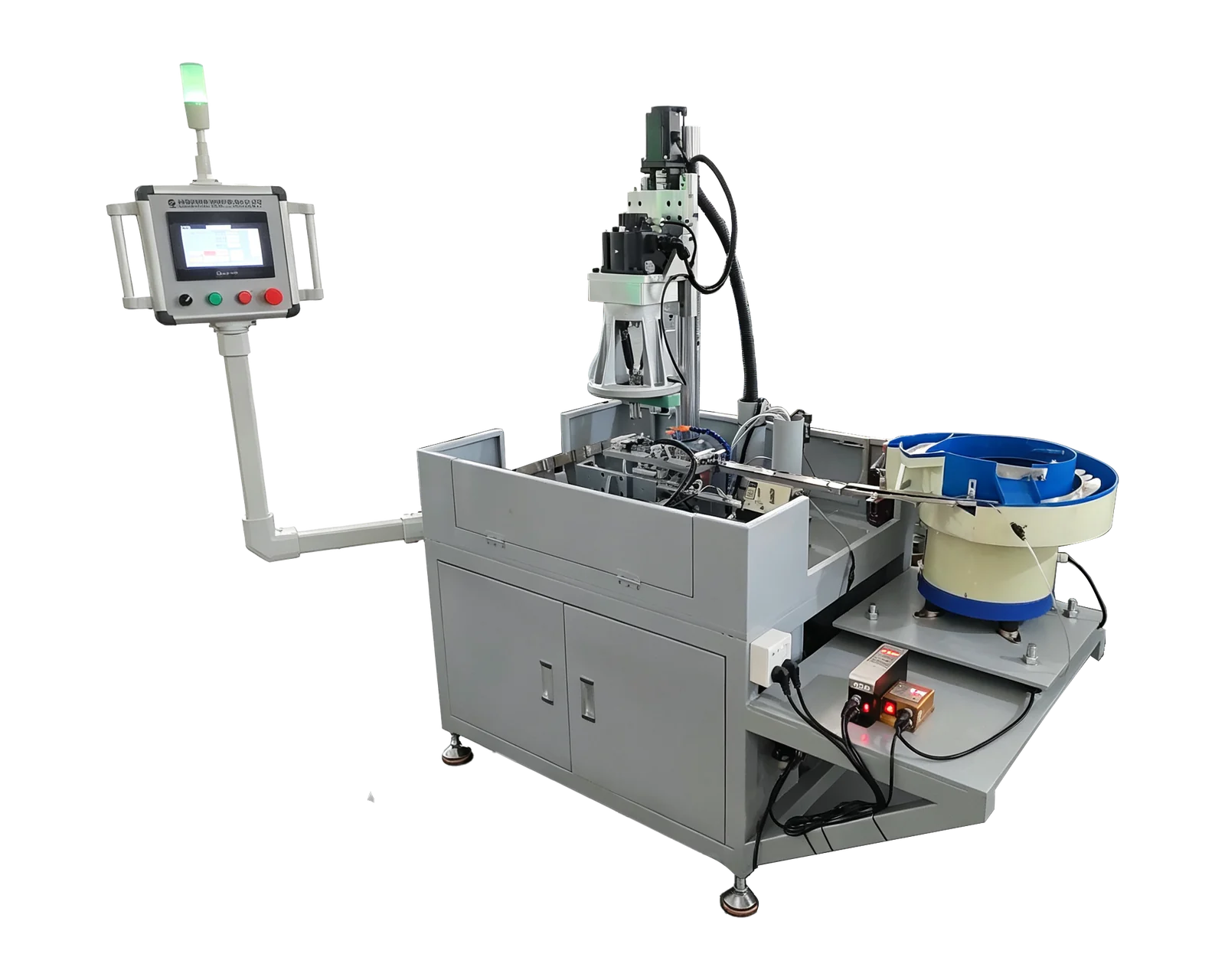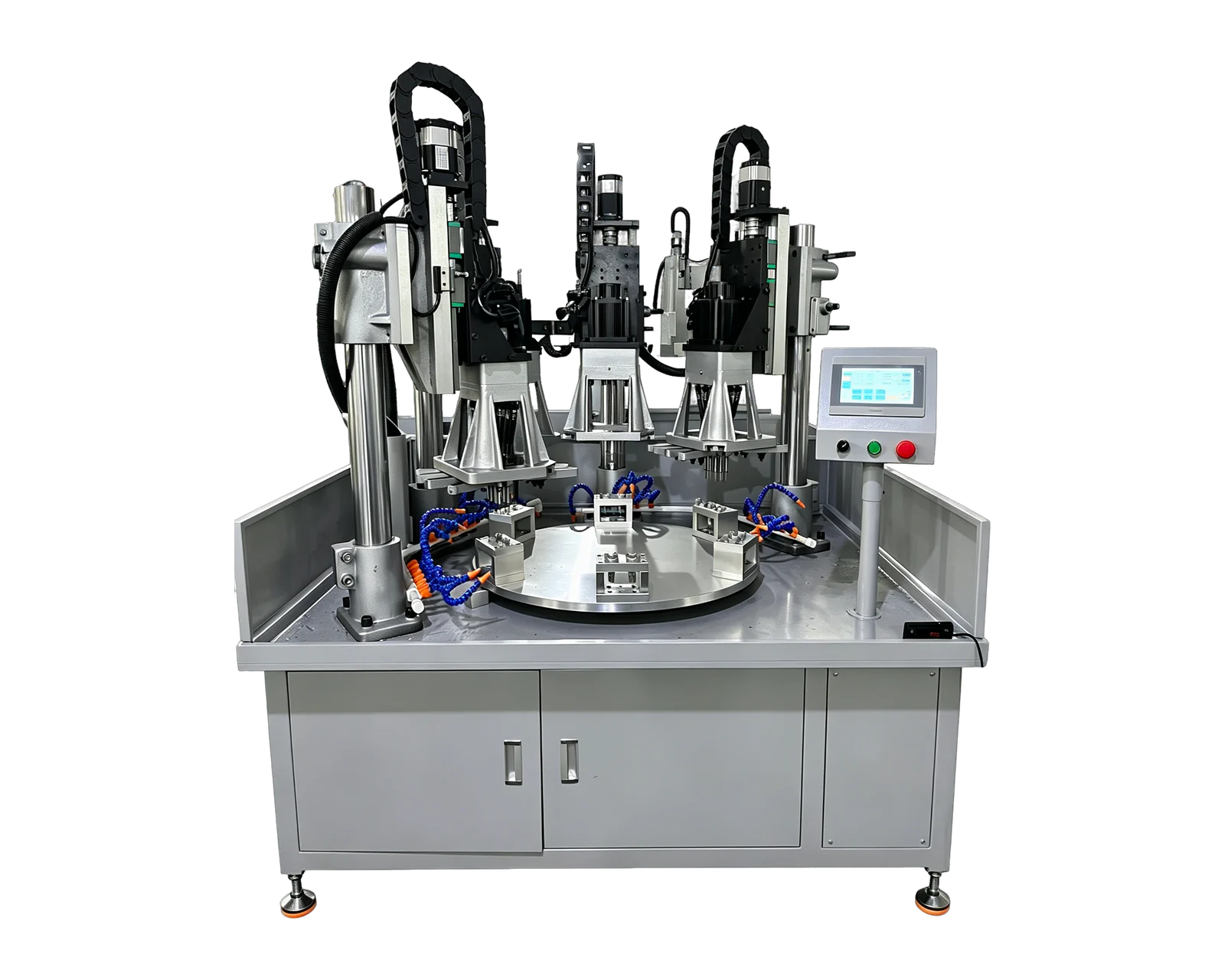
Explore equipment for your inquiry
Rotary Indexing Drilling & Tapping →Review the layout options and required part information to define the scope of a custom equipment inquiry.
Begin with questions the remote session must answer
Write a short evidence request around the purchasing decisions you need to make. You may need to confirm the proposed station sequence, see the defined loading boundary or relate finished parts to a measurement report. Give each question a reference number. This prevents an attractive overview video from being mistaken for evidence about a feature that was never visible or measured during the session.
Confirm whether the event is a live discussion, a recorded demonstration or a combination. If the session is intended to support an acceptance decision, link it to the agreed acceptance requirements. A remote demonstration has no automatic acceptance status simply because the buyer attends or acknowledges receipt of a recording.
Request distinct views for distinct evidence
Use a camera and record list that identifies the purpose of each view. The supplier should select safe camera positions and access arrangements appropriate to the equipment; the buyer need not prescribe how personnel approach operating machinery. Where a requested detail cannot be shown safely or clearly, agree a separate still image, document or measurement record that answers the same question.
Preserve the connection from input to result
Ask how samples will be identified before the trial and how that identity will carry through inspection. The method should suit the part and avoid interfering with its requirements. Record the lot or source, drawing revision and relevant incoming condition. Where multiple variants are shown, keep their runs and records distinguishable so the result for one variant is not attributed to another.
In a hypothetical remote review, a buyer sees a tapping cycle and later receives photographs of three finished pieces. Without identifiers, the photographs do not show whether those pieces came from the observed run. A simple run reference, sample list and matching inspection report close that evidence gap.
Separate visual observations from inspection conclusions
List the drawing features to be reported and identify the agreed inspection method and record owner. A video can show that a check took place, but the buyer still needs readable results linked to the relevant sample and feature. State the reference documents used to judge the result.
Treat any output-rate observation with the same discipline. Identify the observation period, the process boundary, counted parts and any interruptions or excluded work. An edited clip cannot establish what happened outside the selected footage. If the session is only demonstrating the sequence, record that purpose clearly and leave production-rate conclusions for the separate evidence agreed by both parties.
Close the session with an evidence index
Create a brief index containing the question reference, file or recording reference, relevant time or page, observation and remaining action. Separate accepted evidence from items requiring clarification. If a recording was interrupted, note the gap and the scope of any repeat demonstration. Name the person responsible for each follow-up and the decision that depends on it, rather than keeping an informal list of unanswered comments.
Keep the evidence package with the quotation and agreed trial scope so it remains useful after the call. For a BINSING inquiry, email the drawing, proposed sample identifiers and the decisions you want a remote review to support. Ask what demonstration and records can be proposed for that configuration. Confirm arrangements before treating remote attendance as a substitute for another agreed review.