
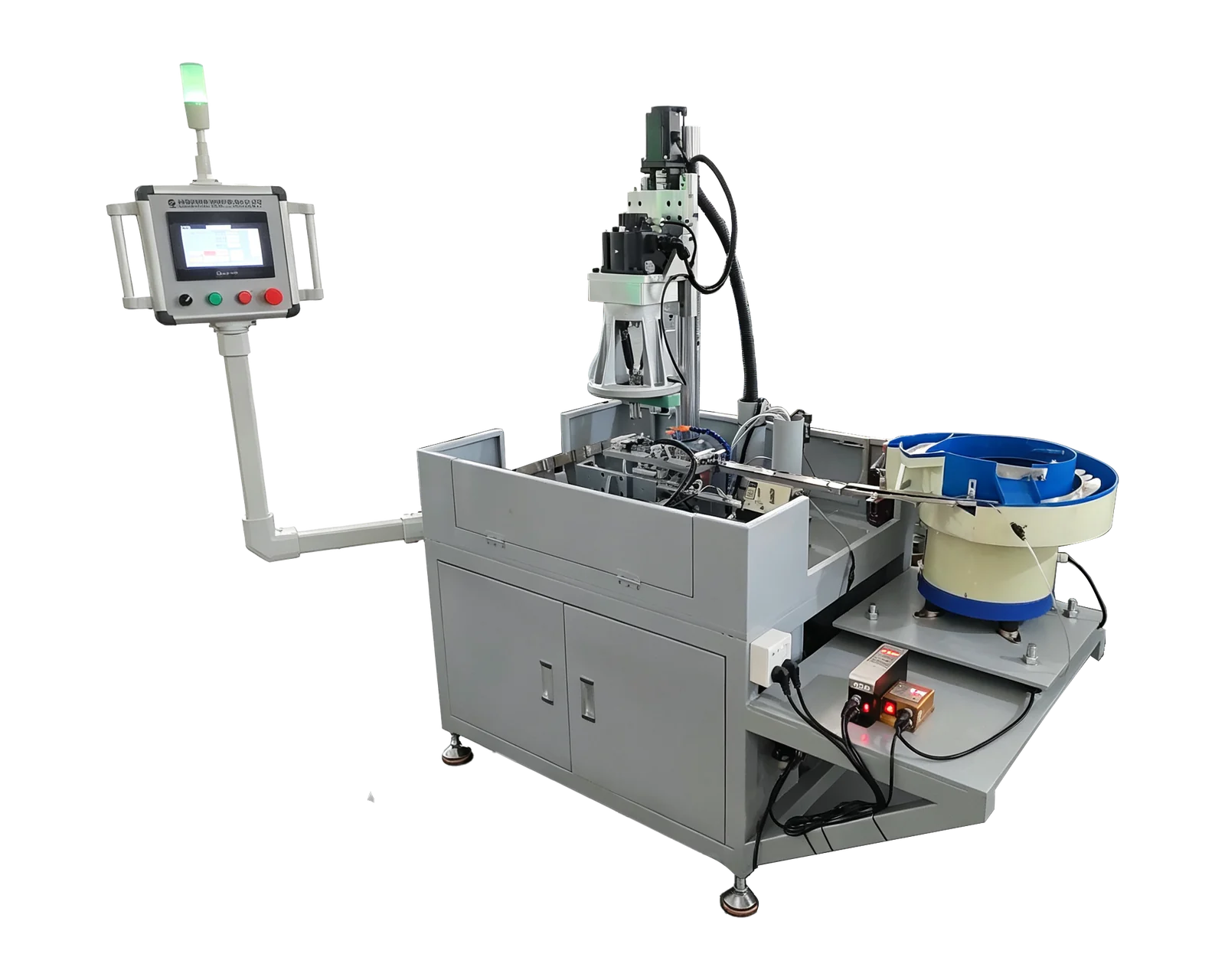
Explore equipment for your inquiry
Automatic Feeding & Tapping →Review the layout options and required part information to define the scope of a custom equipment inquiry.
Establish what the existing machine already proves
Record accepted-part output, quality results, downtime and manual work over a representative production period. Identify whether the main constraint is loading, machining, inspection or inconsistent incoming parts. Automating loading will not by itself establish the capability of a process that already struggles to meet the drawing. This comparison starts with an installed machine, rather than a future automation option on a new purchase.
Describe the parts and variants that will remain on the retained machine. Include the current fixture, tool changes, cleaning and operator interventions. A short video of uninterrupted cutting omits much of the information needed to assess an unattended loading sequence. List tasks that will remain manual under each proposal, including replenishment, inspection and recovery after an interrupted cycle.
Price the whole integration boundary
Universal Robots' machine-tending guide describes a cell as more than an arm: it includes the machine, gripping, mounting and material staging. The same scope discipline is useful when comparing loading concepts, although the actual solution may use a different feeding method. The table below is an original comparison worksheet, not a claim that a BINSING machine supports any particular retrofit interface.
Resolve interfaces before treating the retrofit as feasible
Ask the responsible machine supplier or integrator to review available documentation and permitted modifications. The proposal should identify how the machine and loader exchange the necessary status information and which party supplies each interface. Describe the required behavior for an incomplete load, unavailable machine or interrupted sequence at a functional level. Do not substitute an improvised wiring instruction for an engineered integration review.
Loading access and clamping may change even when the cutting operation stays the same. Provide the actual part geometry, presentation condition and fixture photographs. The integrator must establish the full application requirements, including its risk assessment and appropriate protective arrangements. Universal Robots explicitly calls for an application assessment before deployment; a robot or feeder product label does not release the completed workstation.
Plan the production interruption as a separate work package
Request a sequence covering survey, preparation, installation, trial and production release. Distinguish work that can occur away from the operating machine from work requiring its shutdown. Include access to representative parts, tools, inspection equipment and the people who can approve the result. An installation duration without those dependencies is not a complete restart plan.
For an illustrative comparison, the retrofit might require the only current machine to stop for installation while a new station might be assembled separately. That is a scenario to investigate, not a universal advantage: the new station may still require utilities, floor space or a shared fixture. Record the actual overlap possible and the inventory or alternative capacity needed during the transition.
Choose using accepted output and remaining responsibilities
Compare investment, operating workload, interruption and supported part range on the same boundary. Separate measured results from estimates. Do not credit all former loading time as cash savings if the operator remains necessary for other work. Record whether the expected benefit is additional capacity, fewer repetitive tasks, avoided overtime or a confirmed reduction in expenditure.
The final decision sheet should name one owner for integration acceptance and show the interfaces between suppliers. Request separate unresolved-item lists for the retrofit and new-station options. This makes an inquiry actionable: the supplier can assess the retained equipment, propose the missing scope and explain where a new arrangement would change the evidence required.
