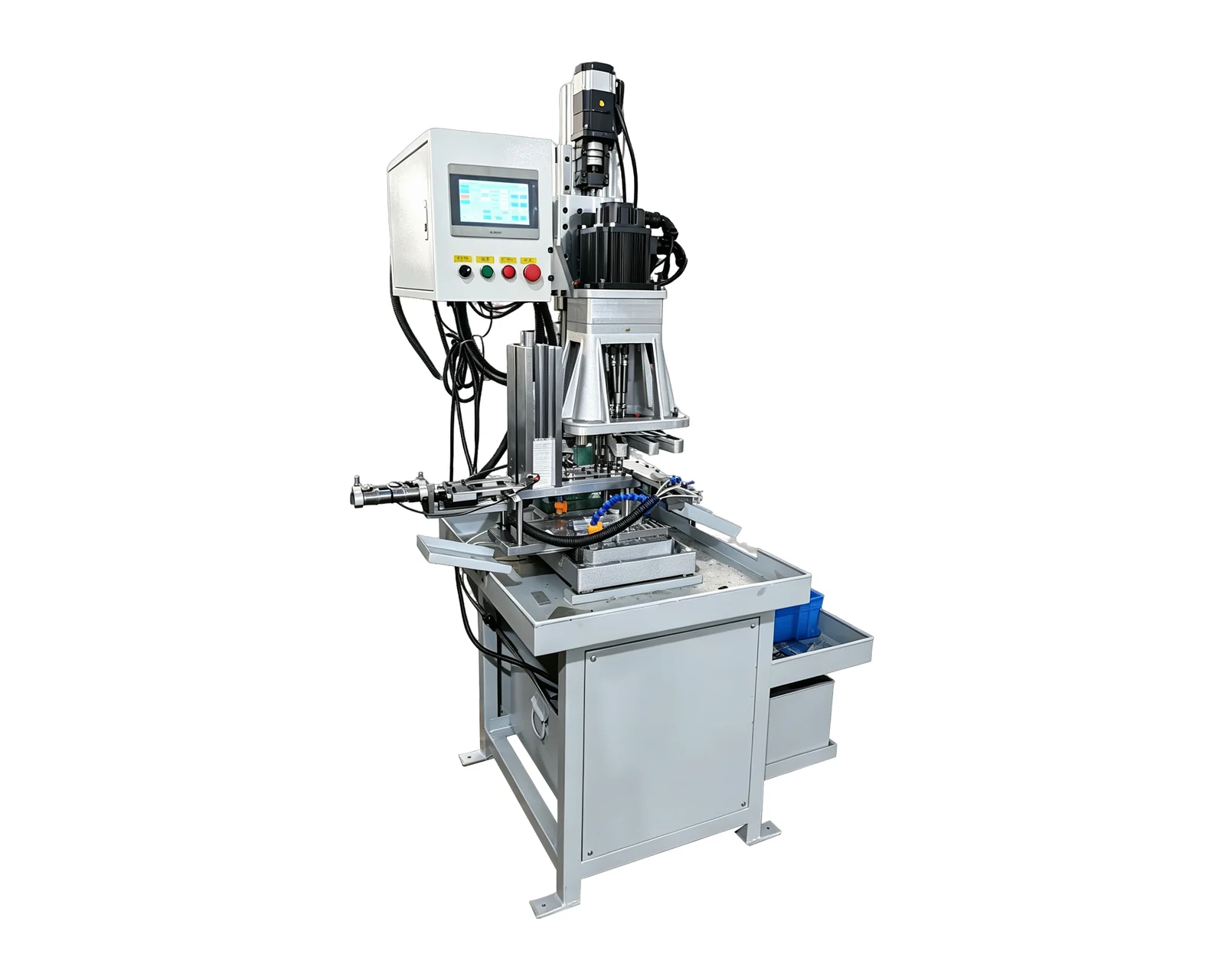
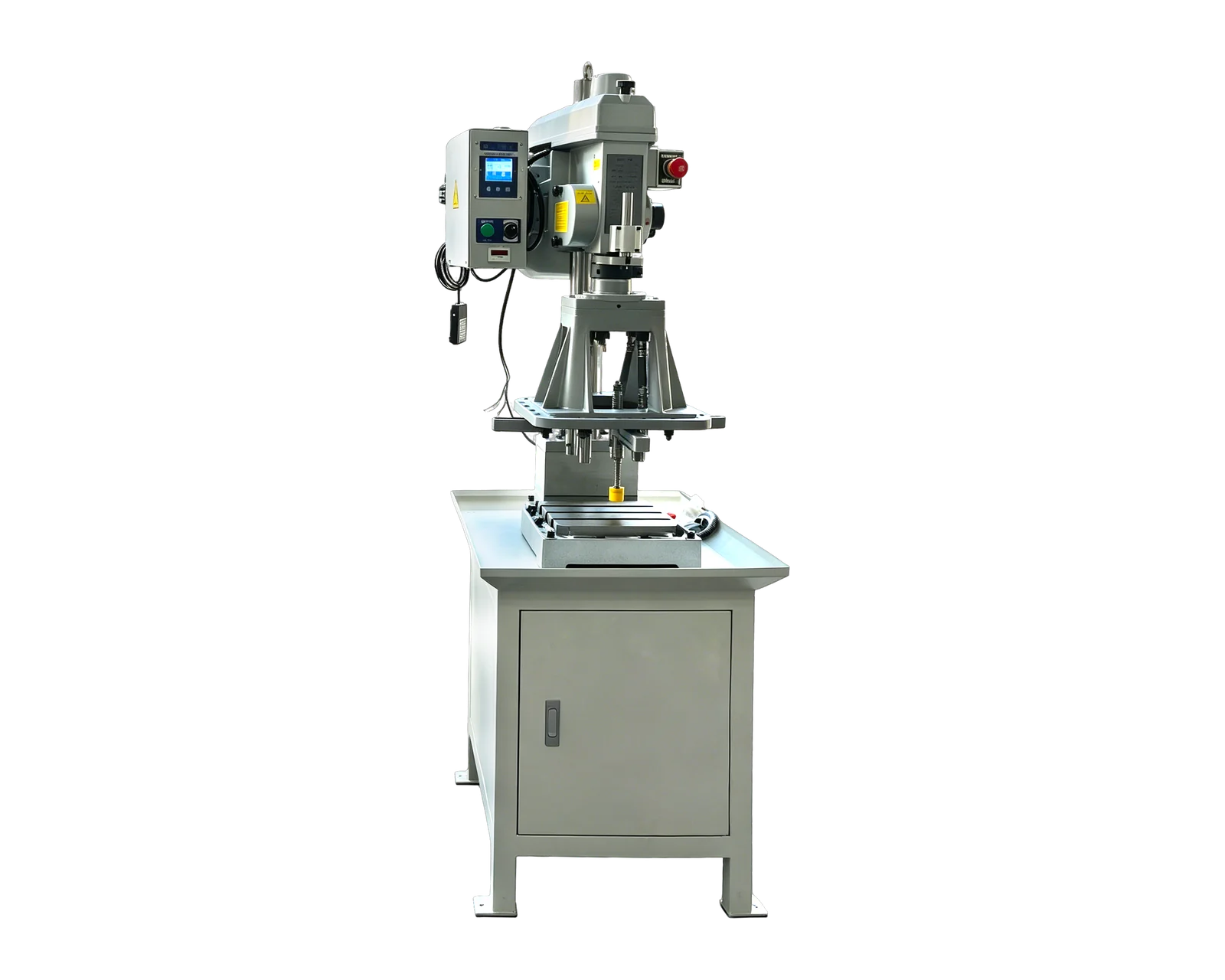
Explore equipment for your inquiry
Dual-Servo Multi-Spindle Drilling & Tapping Machine →Review the published specifications and configuration options against your part drawing before requesting a quote.
Quote the component, not the complete hinge assembly
A photograph of a shower hinge may show a cover, body, plate and installed fasteners together. Identify which individual piece reaches the machining station and supply its drawing. Distinguish mounting threads from pivot-related features and holes produced elsewhere. If several components are included, give each its own incoming state and operation list instead of treating the assembly as one machining job.
CRL's Cardiff hinge product page identifies its finish and provides product-specific drawings and templates. This illustrates the need to preserve exact component and finish identity. It does not supply a manufacturing fixture design for your component. Use your approved drawings and appearance requirements rather than copying another manufacturer's dimensions or installation assumptions.
Put the finish stage on the route drawing
State whether drilling and tapping take place before polishing, before coating or plating, or after the decorative finish is complete. Name the real material rather than inferring it from a finish description. A brass-colored surface, for example, is not a material certificate. Send an actual stage sample or clearly labelled photographs that show what the fixture will touch.
Identify any later treatment that affects the stage at which threads and appearance are accepted. Assign the quality and finishing owners to specify those checks. The equipment quotation should say which condition it receives and which condition it delivers. Keep subsequent finishing work visible even when it is purchased from a different supplier.
Create a machining contact map
This original table focuses on the part while it is located, clamped and machined. It complements a feeding review but does not replace it. Small contact areas and nearby tool paths should be reviewed together using marked drawings rather than instructions such as handle carefully.
Inspect dimensions and appearance on the same identified parts
In a hypothetical trial, a hinge plate passes the thread check but develops a visible mark after fixture release. Record both observations against that same sample identity. A thread pass does not close an appearance issue, and an attractive surface does not demonstrate that the machined feature meets its drawing. Agree evaluation conditions and acceptance with the responsible quality owner before the demonstration.
When multiple finishes are requested, list which supplied states the trial actually covers. A fixture demonstration on an unfinished blank should not automatically be presented as proof for a finished decorative surface. Ask whether the proposed contacts, cleaning and release sequence require additional review for each variant, and retain the answer with the sample record.
Keep component machining separate from installed-product approval
Provide BINSING with the individual part drawing, material, finish-stage sequence and contact map to discuss a standard or custom machining arrangement. Include required output and the components supplied together. The useful quotation defines workholding, operations and evidence still needed; it should not imply approval of a complete shower-door installation.
Installed load performance, glass compatibility and finished assembly suitability remain with their designated product specialists. Do not use a successful machining trial as a substitute for those requirements. Keep the inquiry focused on the drawing-defined metal features and appearance condition that the machining supplier is being asked to deliver.