Explore equipment for your inquiry
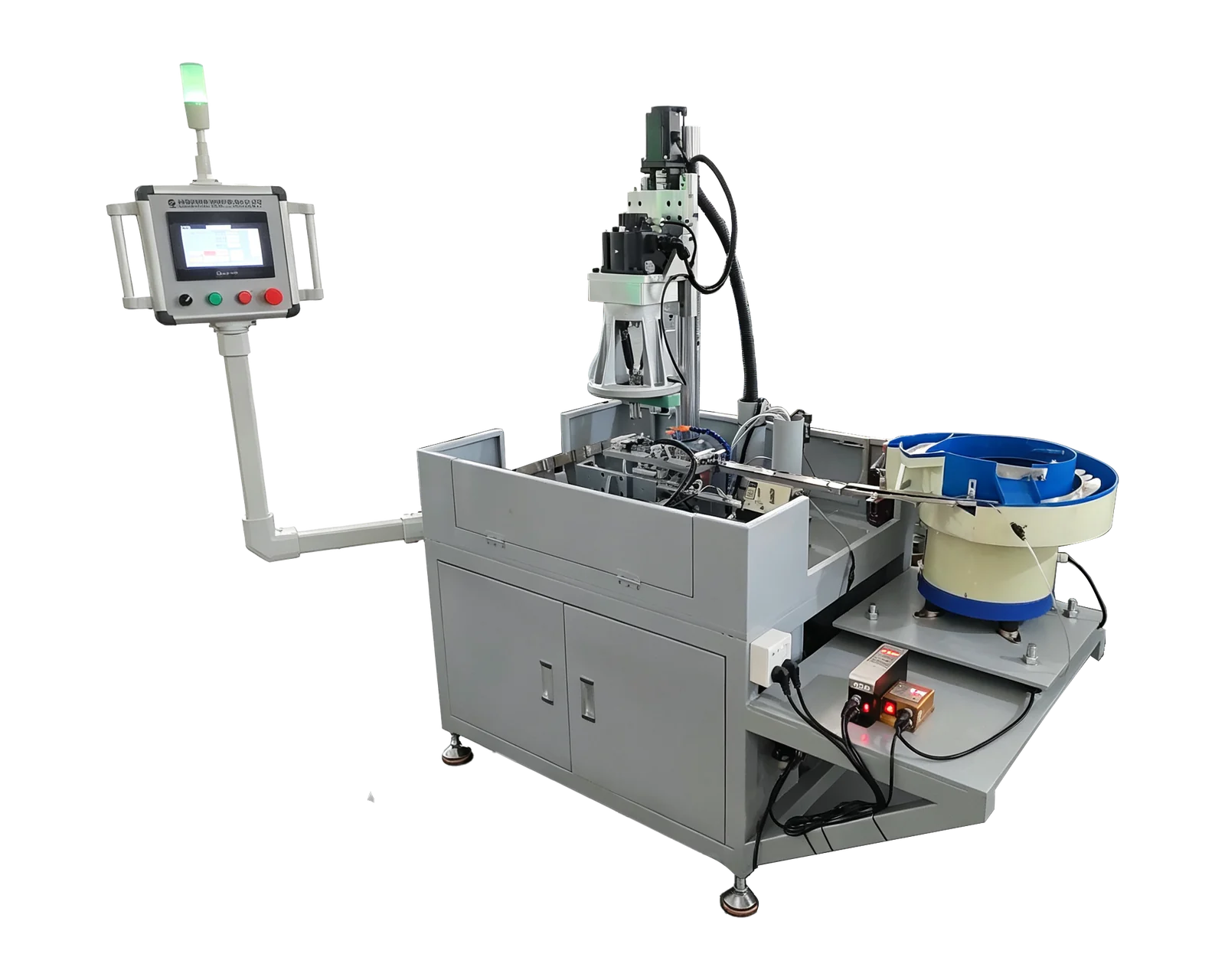
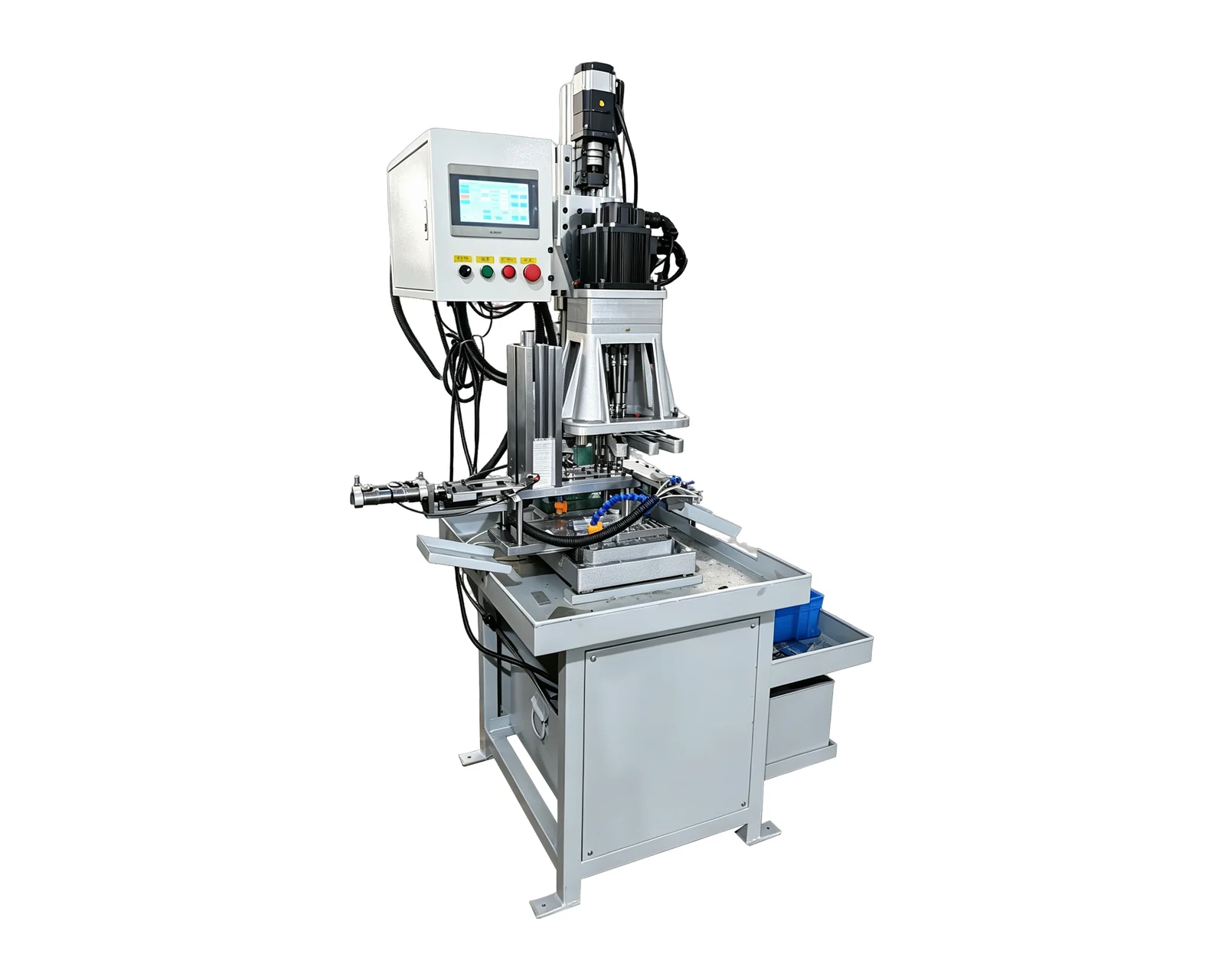
Automatic Feeding & Tapping →Review the layout options and required part information to define the scope of a custom equipment inquiry.
1. Turn appearance expectations into reviewable requirements
Mark visible and hidden faces on the part drawing or photographs. State which surfaces carry an appearance requirement and reference the buyer's approved acceptance criteria. Include any coating, texture or finish already present before machining. Terms such as scratch-free or premium finish need an agreed inspection basis so purchasing, the supplier and quality staff are evaluating the same outcome.
Provide approved reference samples or images where your quality process uses them, including their identity and revision. Explain the intended viewing conditions and the types of marks the assessment distinguishes. The equipment discussion should use these agreed criteria rather than a supplier inventing an appearance standard. Keep dimensional, thread and cosmetic acceptance separate so evidence for one is not mistaken for proof of another.
2. Map the route from packaging to finished collection
Start with how parts reach the equipment: individual trays, divided containers or another documented presentation. Follow the proposed route through unpacking, presentation, transfer, holding and unloading. Include parts held for inspection or rework. Ask the supplier to identify intended contacts and transfers, and distinguish items within the machine offer from buyer-provided packaging and collection arrangements.
3. Compare the supplied packaging as well as the feeder
Hypothetical purchasing example: decorative caps arrive in divided trays, but a proposed feeding trial starts with loose components in a common container. Even if the presentation sequence runs, the trial does not represent the buyer's intended incoming condition. The parties need to decide whether the production route includes a packaging change and then evaluate that complete route against the appearance requirement.
A different handling concept may change manual work, packaging consumption and collection needs. List those differences alongside the machine scope rather than judging only the presentation mechanism. This review does not establish that any one feeding method is unsuitable for cosmetic parts. It establishes the conditions under which the actual part, finish and route must be assessed.
4. Check condition before and after the agreed route
Use representative parts with the production finish and document their incoming condition. Agree how results are linked to those samples after they pass through the proposed route. If different finish suppliers or protective films change the incoming condition, identify the covered cases. A trial with unfinished sample parts cannot by itself establish the result for the finished surface being purchased.
Review the agreed process through finished collection, including any planned repeated handling. Ask the report to state what was actually demonstrated and which stages remain outside it. When a mark is observed, retain evidence of the stage and sample condition rather than assigning a cause from appearance alone. The purpose is to resolve a purchasing question with traceable observations and a defined route.
5. Assign the packaging and contact-item responsibilities
Name who supplies trays, separation items, contact components and collection containers. Where the concept depends on particular items, request their identification and the conditions for reviewing replacements. Include any handling instructions and relevant maintenance documentation in the handover scope. Do not prescribe improvised padding or altered contact surfaces; those choices belong in the reviewed equipment and quality process.
For a BINSING inquiry, send the marked cosmetic faces, finish specification, incoming packaging images and outgoing collection requirement. Ask for a handling concept that identifies the full contact route and its unresolved sample questions. This gives both standard-machine handling discussions and custom feeding proposals a specific acceptance basis, with packaging and external work visible in the comparison.