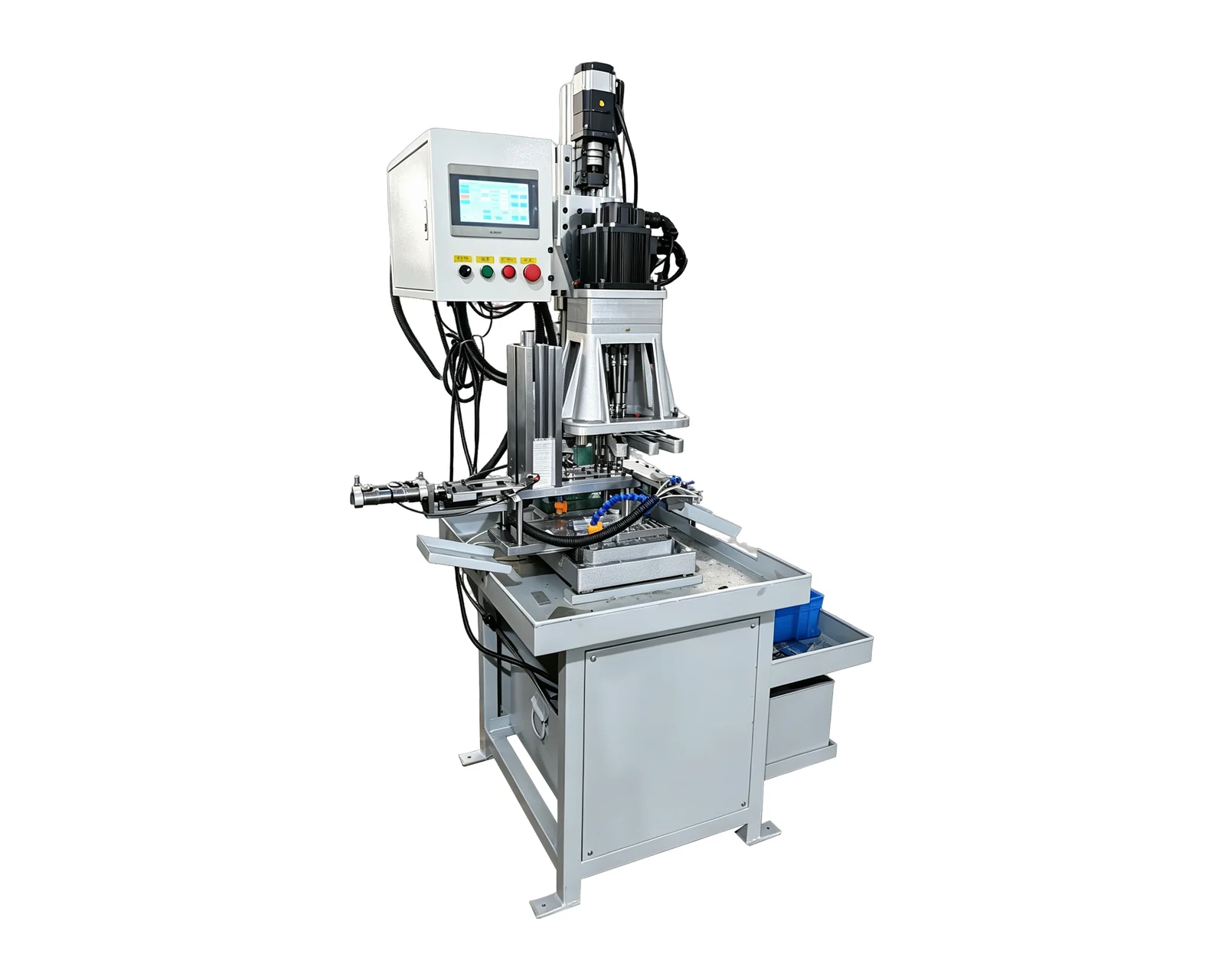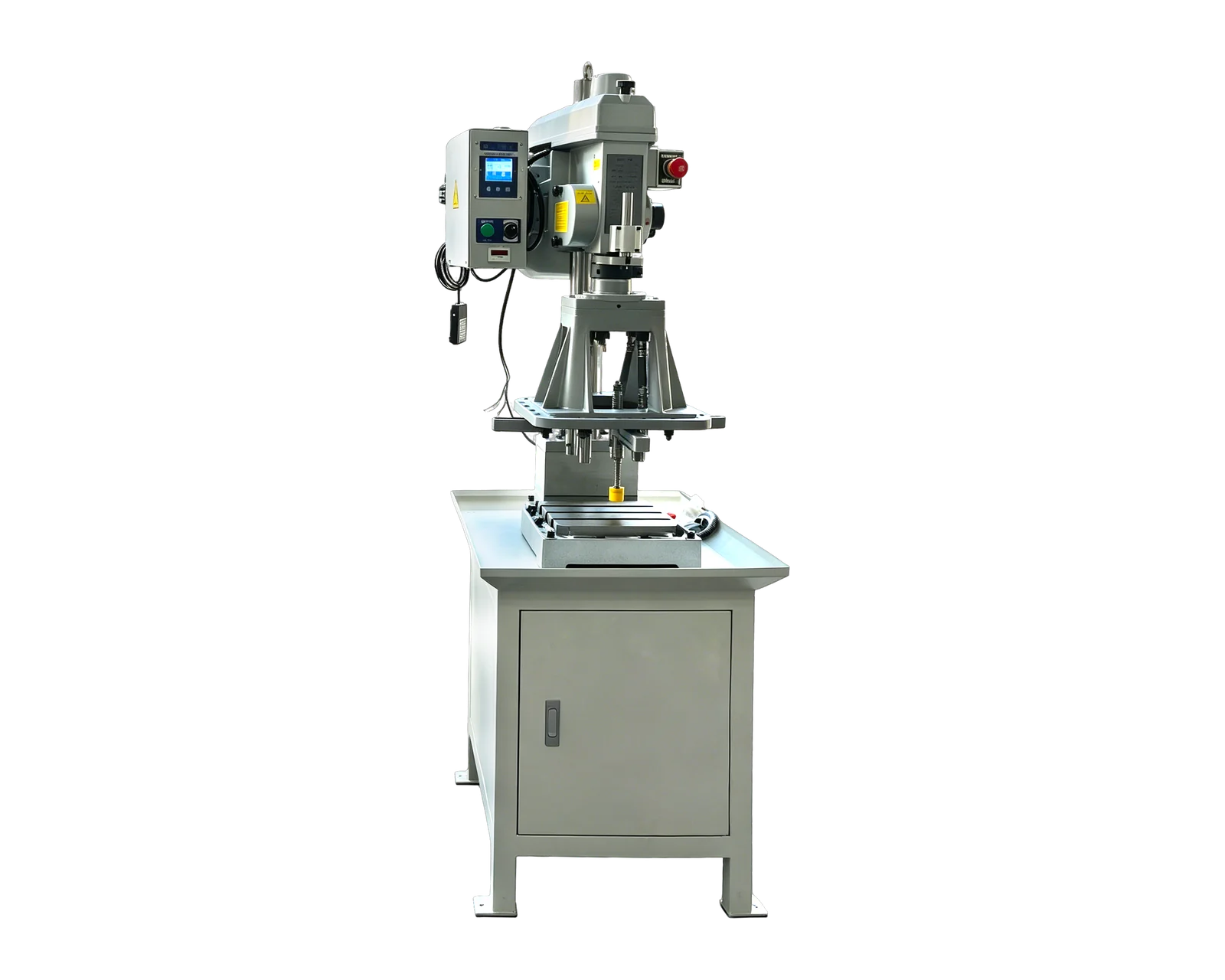
Explore equipment for your inquiry
Automatic Tapping Machines →Compare tapping platforms and feeding options before defining your thread-machining inquiry.
Brass is a material family, not a complete process input
Wieland describes its M42 product as a CuZn42 lead-free machining brass supplied as strip, sheet and plate. Its wider range includes other machining brasses and product forms. This illustrates why the material designation and delivery form belong in the inquiry together. A commercial description such as yellow brass or lead-free brass does not identify the actual stock used for your trial.
Attach the material designation, supplier record and supplied condition available for the production blank. If the purchasing specification allows alternatives, list them rather than presenting a convenient sample as universal. Have the product owner confirm which materials are permitted. Equipment evaluation is not approval to substitute an alloy or a statement that the finished product meets an end-use regulation.
Show what arrives at the machine, including earlier operations
Distinguish cut rod, a forged blank, a stamped component and a previously turned part. Even when they will become the same finished item, they may present different locating surfaces, handling features and existing holes. Provide a drawing or annotated photograph of the incoming state alongside the final drawing. Mark which dimensions are controlled before the drilling or tapping step.
For a turned blank with a prepared hole, record whether the quotation begins with tapping or also includes preparing that hole. For a blank still attached to stock, explain how separation occurs and who supplies that operation. A quote for discrete-part tapping should not be compared directly with a route that also cuts, turns and separates raw stock.
Mark the surfaces that may locate or clamp the brass part and those that must remain unmarked. Identify whether the sample is already polished, plated or otherwise finished at this stage. Provide an agreed appearance reference where relevant; a fixture contact that is acceptable before a later finishing step may need a different review when the same face arrives finished.
Build a brass blank and fixture-contact handover table
The following original template links incoming form to quotation boundaries. It is not a recommendation that any listed form should use a particular feeder. The handling specialist should assess the actual geometry, finish and production mix. Where trial samples are hand-prepared differently from normal production, disclose the difference in the record.
A feed demonstration and a machining trial answer different questions
For feeding, document the incoming container, orientation requirement, replenishment arrangement and any parts that were removed before the demonstration. Include variants that can be mistaken for one another. Ask how exceptions will be detected or handled, without assuming a particular sensor or rejection system is included in the proposed configuration.
For machining, connect the actual alloy and blank lot to the tool setup, hole identity and inspection result. If the feed trial uses finished parts but machining will receive unfinished blanks, record the coverage gap. Combine the demonstrations only after the reviewers agree that the samples and conditions represent the intended route.
Check the released part as well as the clamped presentation against the agreed requirements. Keep any marks already on the incoming brass blank separate from observations after feeding, clamping and machining. Record the inspected stage and contact location so an appearance concern can be reviewed without assuming that the tap or the feeder caused it.
Compare the same brass route in every proposal
In a hypothetical inquiry, Supplier A receives a turned and pre-drilled brass component while Supplier B receives a cut blank. Their equipment prices and output claims answer different questions. Reissue the scope with a shared incoming state, included operations and required final condition. Then list any alternative route separately with its own upstream responsibilities.
Send BINSING the alloy identification and supplied condition, incoming and finished drawings, permitted contact map and representative samples. For accepted prepared holes, review a tapping-only configuration such as the BX-4508V. If drilling is included, compare the complete operation scope with a drilling-and-tapping platform. Discuss automatic feeding separately when required. Each route remains subject to tooling, workholding and trial confirmation.