Explore equipment for your inquiry
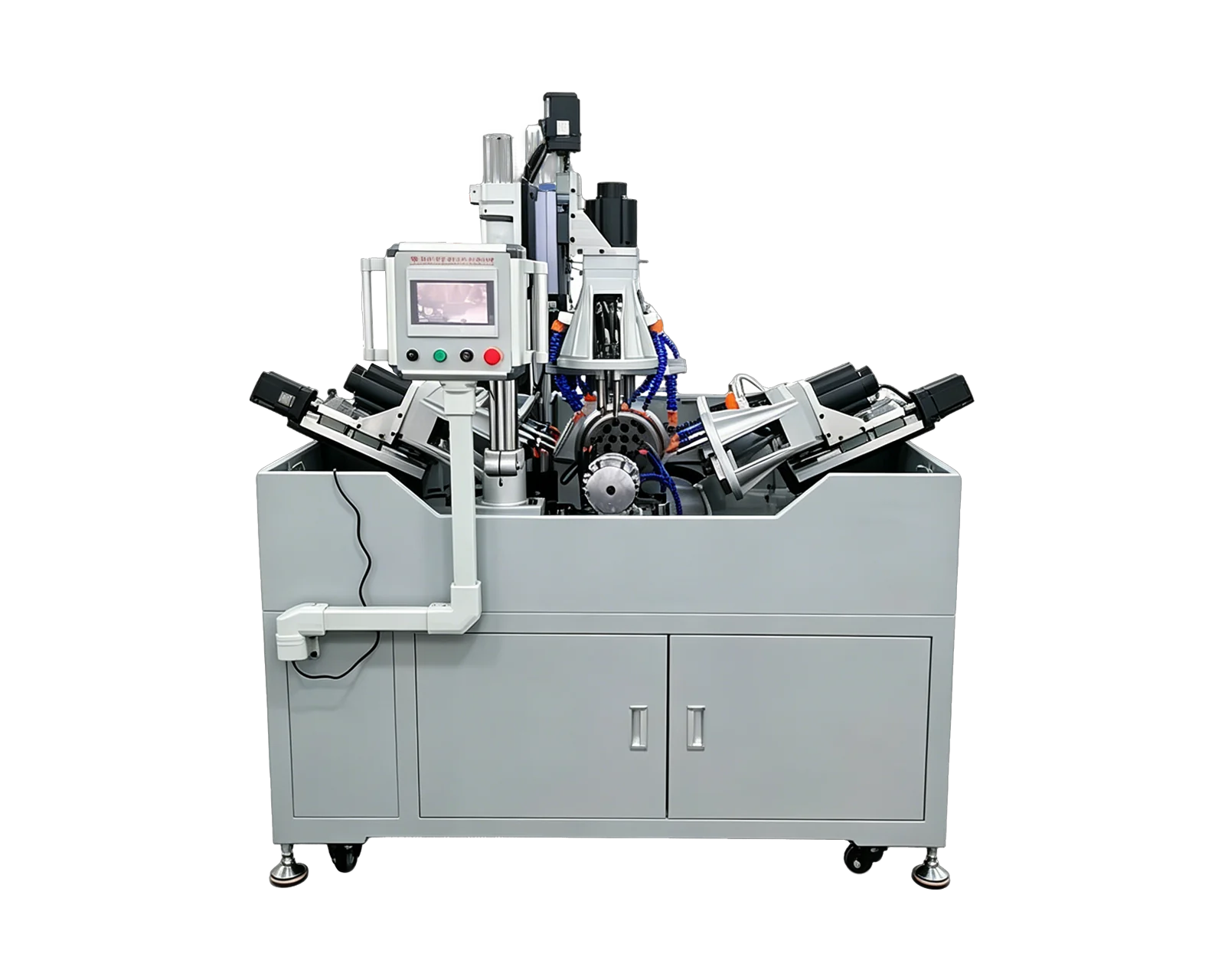
Servo Traverse Multi-Spindle Drilling & Tapping Machine →Review the published specifications and configuration options against your part drawing before requesting a quote.
1. Describe repeat demand rather than one batch quantity
List the part numbers that would actually use the equipment, their typical batch pattern and how often orders recur. Separate committed or established work from possible future projects. A low quantity repeated frequently presents a different purchasing question from a one-time batch, even when the quantities on a single order are identical. Avoid combining unrelated demand simply to make a larger annual total.
Explain scheduling constraints such as urgent jobs or frequent changes between product families. The supplier needs to understand the sequence of work as well as the total. Ask your production team to identify which current operations the proposed equipment would replace and which would remain. This establishes the workload being evaluated without assuming that every component will move to the new machine.
2. Test whether the proposed family is technically shared
Group parts by the features relevant to the offered arrangement: locating geometry, hole pattern, required operations and tooling. Similar product names are not enough. Request a coverage matrix that names each part and distinguishes common equipment from change items. A servo-traverse platform should still be reviewed for fixture and tooling differences; positioning capability does not make every variant a settings-only change.
3. Compare a representative schedule, not only a cycle
Ask for a review of a short, realistic sequence of batches. Include setup, loading, machining, removal and agreed first-part checks. Where activities overlap, have the proposal explain the assumptions rather than adding or removing time informally. A fast machining action may be only one part of the work needed to complete a small order and make the next variant ready.
Hypothetical purchasing scenario: three repeat parts share a fixture concept, while a fourth needs a different holding arrangement and tool layout. The buyer evaluates the first three as the initial equipment scope and requests a separately defined option for the fourth. This keeps a difficult occasional job from silently changing the base purchase. It is an illustrative decision structure, not a financial or performance claim.
4. Price the covered family and its change items explicitly
Request a quotation listing the initial fixtures, tooling and variant-specific items included at delivery. Ask what documentation supports changing between the named parts and what additional review is needed for future variants. Distinguish items physically supplied now from optional work that may be ordered later. This makes the equipment boundary understandable when the production mix changes after the purchase.
Build the internal business case from your own operating records and the supplier's stated proposal assumptions. Consider the whole covered workload and the resources retained for excluded jobs. Test more than one demand scenario where orders are uncertain. Do not use a general payback claim or a catalog speed to substitute for the buyer's actual schedule, staffing and cost information.
5. Demonstrate the transition that drives the decision
Choose a representative change between parts for the agreed demonstration. Record the starting configuration, required change items, operator tasks and first-part checks. The objective is to establish what the transition includes and whether that scope matches the proposal. Showing two finished parts separately does not show the work required to move production from one to the other.
For a BINSING inquiry, send the drawings as a named family together with a typical batch schedule. A standard tapping, drilling or traverse platform can then be reviewed against that defined workload. If variants need substantially different arrangements, request separate coverage decisions. A narrower initial scope can be a valid outcome when it is supported by repeat work and leaves excluded jobs clearly accounted for.