Explore equipment for your inquiry
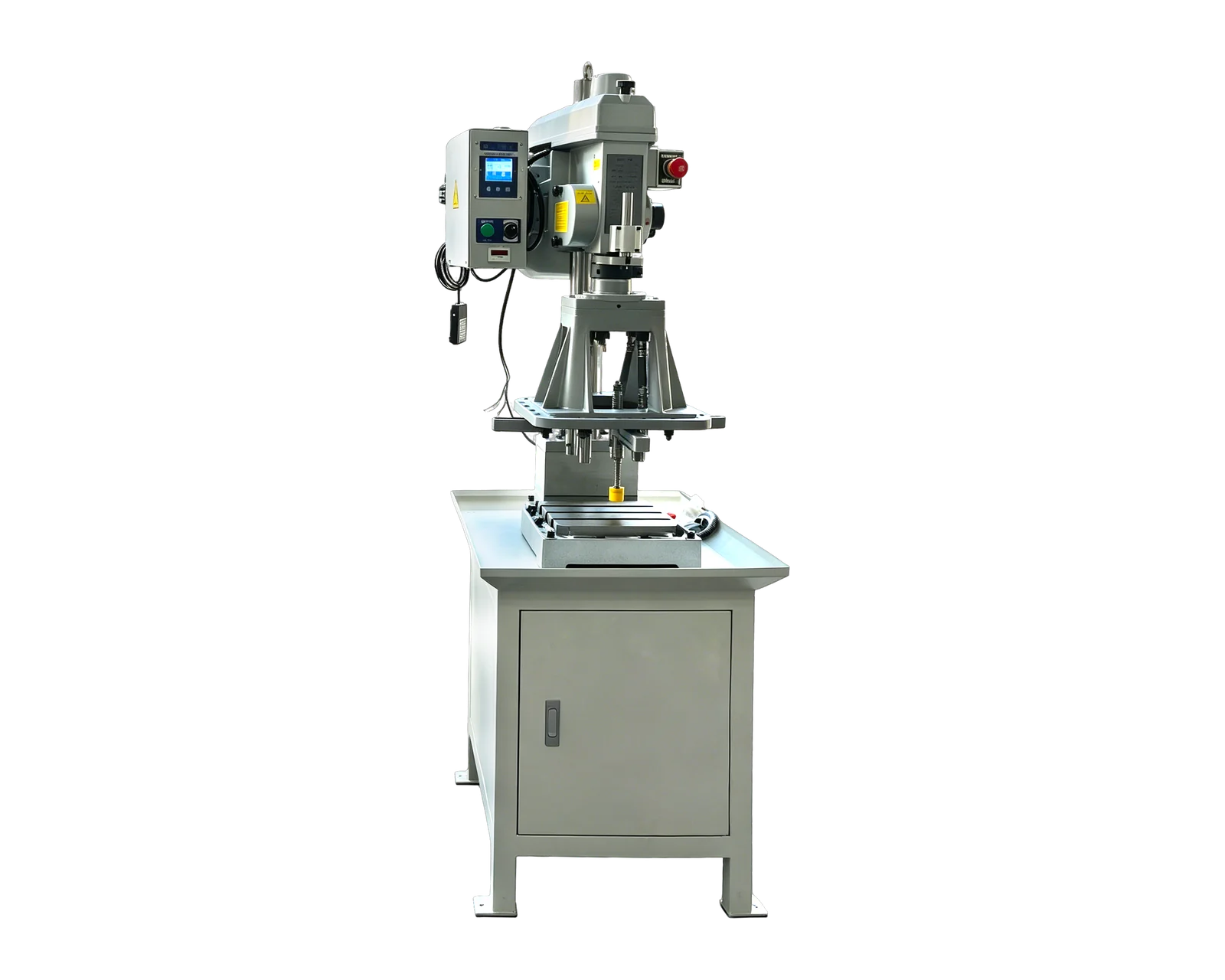
Dual-Servo Multi-Spindle Drilling & Tapping Machine →Review the published specifications and configuration options against your part drawing before requesting a quote.
Describe exactly what disagreed
The statement threads fail inspection can hide several different situations. One inspector may report a GO result while another reports a NO-GO result; two gauges may produce different observations; or the same hole may change result after a later operation. Write the observations separately with part, hole and inspection-stage references before labeling the whole batch defective.
Retain the traceable pieces and refer their disposition to the quality owner. Repeating checks without a shared method can add more conflicting records without resolving the original question. Keep the initial observations even if a later review replaces the acceptance decision, so the reason for the change remains visible.
Put both inspection records on one comparison sheet
Ask each inspector to supply their own record rather than reconstructing it from memory in a group discussion. The comparison below is a practical handover tool. It does not prescribe gauge entry limits, inspection force or a universal rule for accepting a thread; those belong to the applicable specification and approved inspection method.
A matching nominal size is not the complete gauge specification
OSG's gauge catalog distinguishes several thread-gauge categories and provides inspection and calibration services. Use the complete identification required by your quality procedure, not just the nominal thread diameter, when asking a gauge supplier to confirm selection. A tool's catalog designation and a finished thread's acceptance requirement should remain separate entries in the review.
Check the gauge's recorded condition and calibration status through the responsible inspection function. A valid status record alone does not resolve a mismatch between the gauge and the intended check. Conversely, a disagreement does not automatically demonstrate gauge wear. Ask for a documented conclusion based on the selected specification and the actual gauges involved.
Agree on a recheck that can settle a specific question
In a hypothetical example, a supplier checks a hole before surface treatment and the buyer checks it afterward. Their results may concern different production states even though the part number is identical. First confirm which state the drawing requires for acceptance. The quality owner then determines the appropriate checks and whether additional process evidence is needed.
For a controlled recheck, identify the retained parts, selected gauges, method and reviewer before starting. Record the observations without forcing a preferred outcome. If disagreement remains, obtain the further dimensional or gauge assessment specified by the quality specialist. A screw that assembles successfully is a separate observation; it should not silently replace the required thread inspection.
Change machining only after the inspection question is clear
If the reconciled checks establish a machining problem, link the results back to tool, hole, lot and production sequence. That linkage helps the process team investigate whether the issue follows a tool change, a particular position or a changing incoming condition. Keep measurement uncertainty or unresolved method questions visible instead of converting them into a premature equipment specification.
For a BINSING equipment discussion, provide the full thread callout and the agreed inspection basis alongside the part drawing. Explain what the current process has demonstrated and what remains unresolved. Request a trial with an identified inspection responsibility. This makes the equipment comparison answer a production question that the buyer and supplier can interpret consistently.