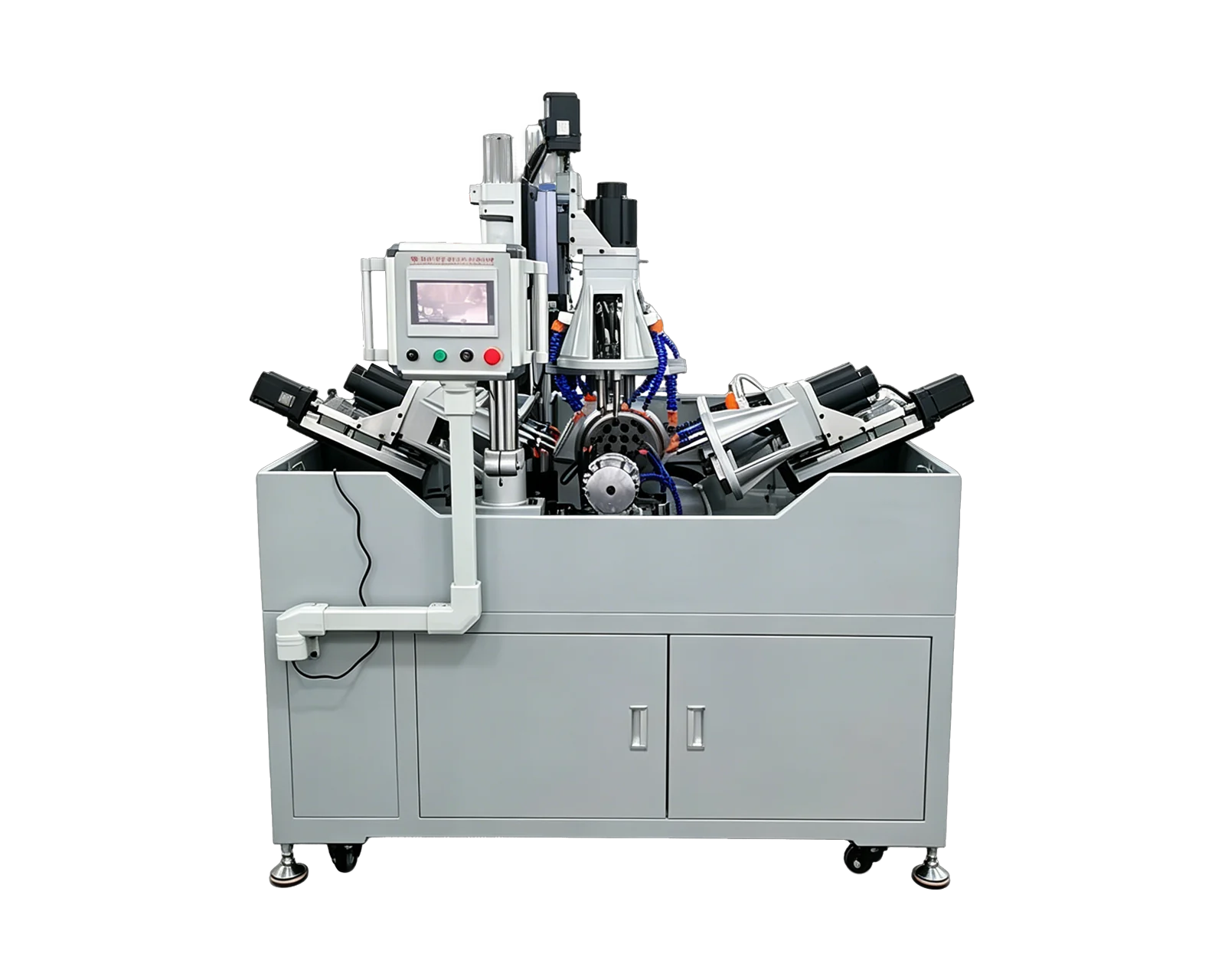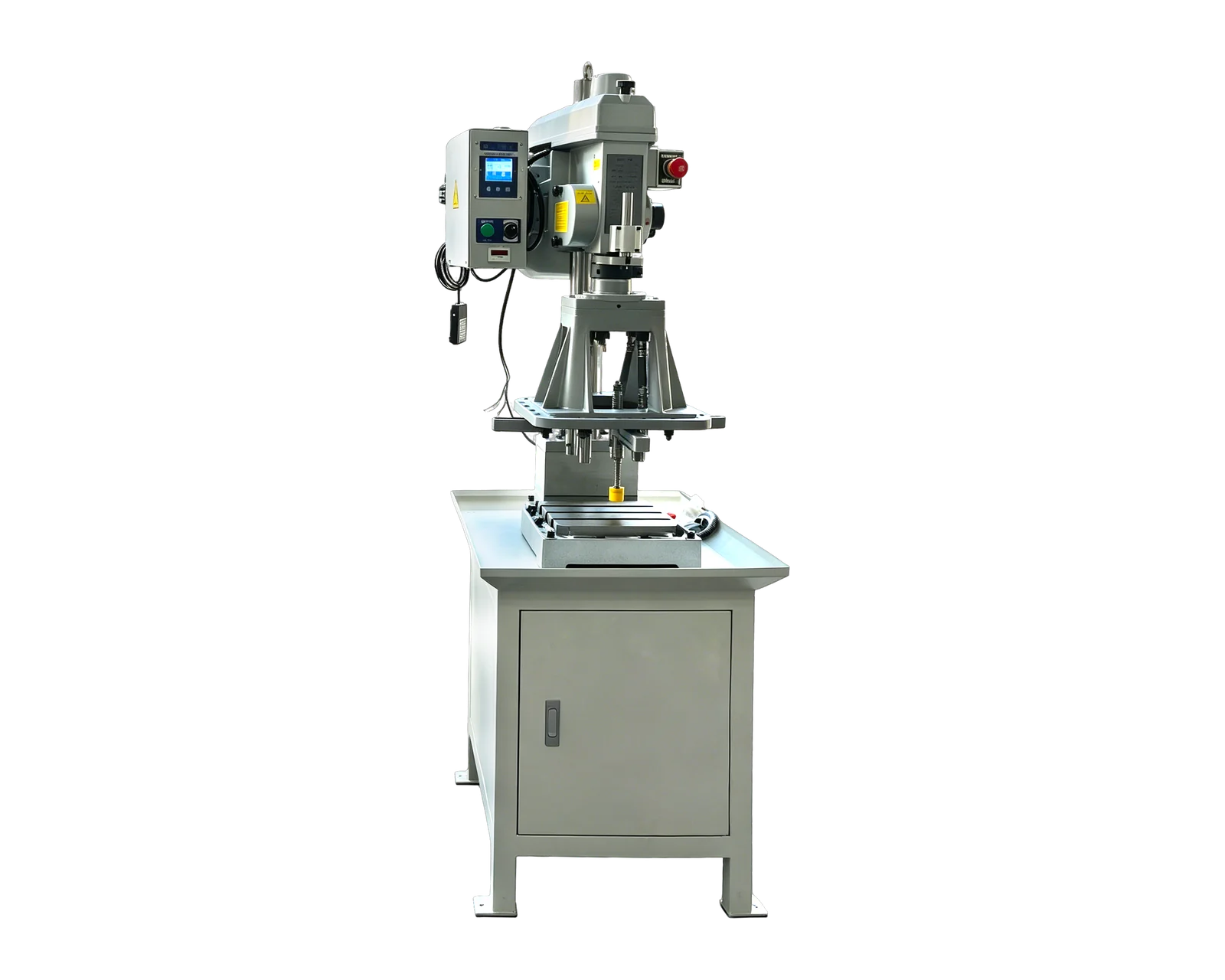
Explore equipment for your inquiry
4508 Gear-Driven Automatic Tapping Machine →Review the published specifications and configuration options against your part drawing before requesting a quote.
Review the threaded region, not only the overall casting
A small zinc casting can combine a substantial central body with a thin mounting ear or a narrow threaded boss. Send sections through the actual thread locations, including nearby cavities, outside walls and the intended usable thread. Name the alloy and supplied condition from the drawing or material record. Neither the overall component size nor a photograph provides the missing local dimensions.
The International Zinc Association's machining guidance identifies tapping as a common secondary operation on zinc die castings and discusses the distinction between cutting and forming threads. That establishes a process question for a tooling review; it does not select a tap for your part. Ask the reviewer to assess the actual incoming hole, surrounding material and required result before the equipment proposal assumes a particular method.
Describe the existing hole as a supplied feature
State whether the incoming opening is cast, drilled, reamed or otherwise prepared. Provide the controlled geometry and available inspection results at that stage, including any variation the casting supplier is required to meet. If preparation is needed, identify whether it belongs to the casting supplier, an external machining operation or the proposed equipment. This avoids comparing a tapping-only price with a drilling-and-tapping price.
Show the depth reference and any restriction beyond the thread. A section is particularly useful when a blind opening approaches an internal cavity or a thin outside face. Let the drawing owner define the accepted geometry and the tooling reviewer define the required review inputs. Do not turn a nominal outside wall measurement into an assumed process allowance.
Use a local-feature register for the quotation
This original register links each thread to its starting condition. Use separate rows for features that look alike but have different surrounding walls or preparation histories. The register records questions and responsibilities; it supplies no universal minimum wall thickness or hole allowance.
Keep trial samples representative of production
A hypothetical trial uses specially drilled castings while routine production would arrive with cast openings. Even if the trial threads pass inspection, it demonstrates the prepared samples and documented method. It does not automatically cover the untreated production input. Record that difference before accepting the result as evidence for the equipment purchase.
Ask the quality owner to select representative samples and required checks. Preserve casting lot, cavity identity where available, prior preparation and feature identity in the trial record. Keep dimensional thread acceptance separate from any product-level fastening or durability requirement. If either remains unresolved, assign the additional evaluation rather than treating an attractive sample as complete validation.
Request a proposal with an explicit starting state
For a BINSING inquiry, provide the finished drawing, local sections, incoming-hole record and desired production quantity. Ask which preparation and inspection tasks the proposal includes, and which remain external. A catalog tapping platform is a discussion starting point; suitability for the submitted zinc casting must be confirmed against the tooling, workholding and sample evidence.
Keep changes to the casting design visible during the review. A revised boss, shifted core or different supply route should trigger a comparison with the input previously assessed. Reuse the same feature identifiers so the drawing owner, casting supplier and equipment reviewer can see exactly which assumptions changed.