Explore equipment for your inquiry
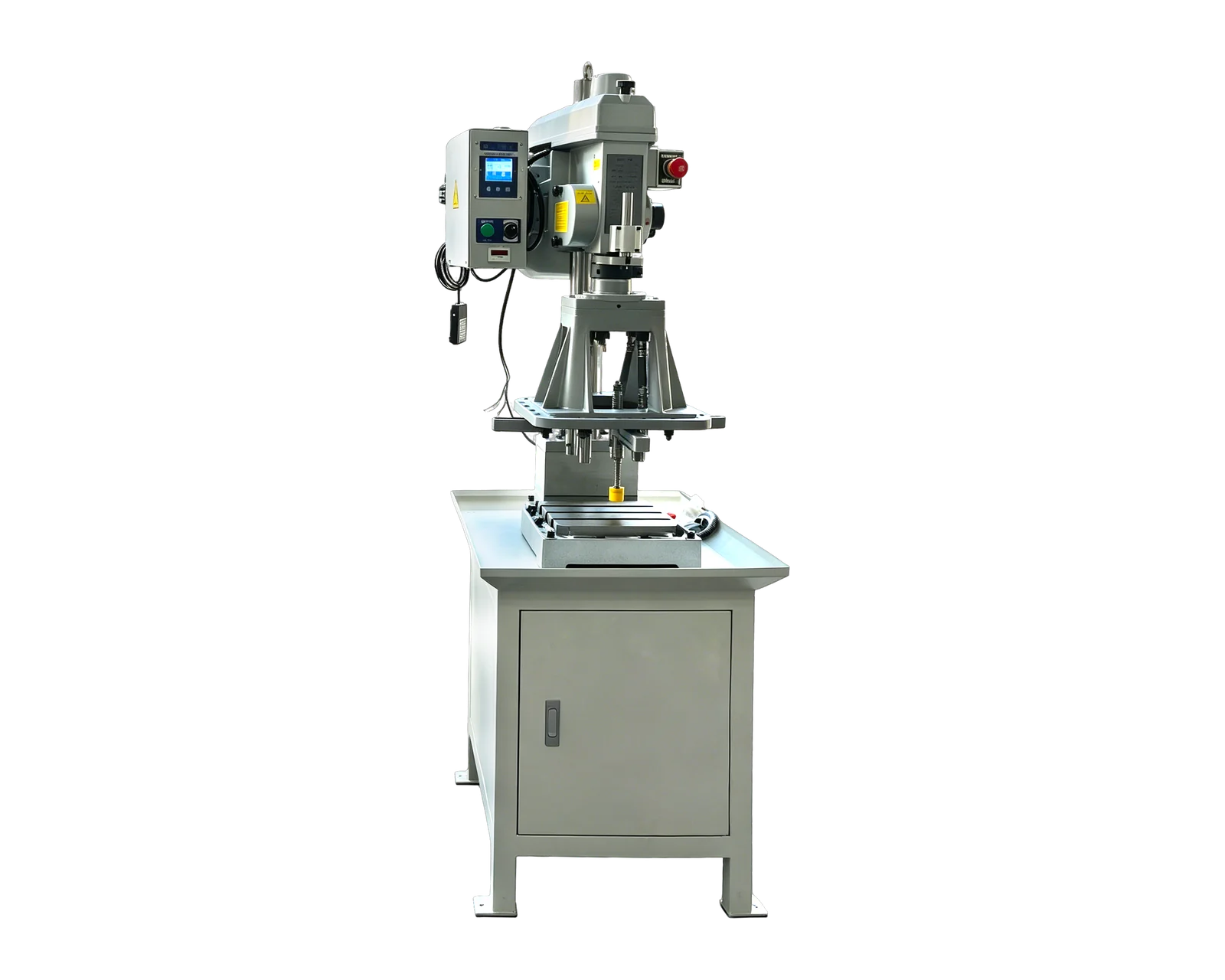
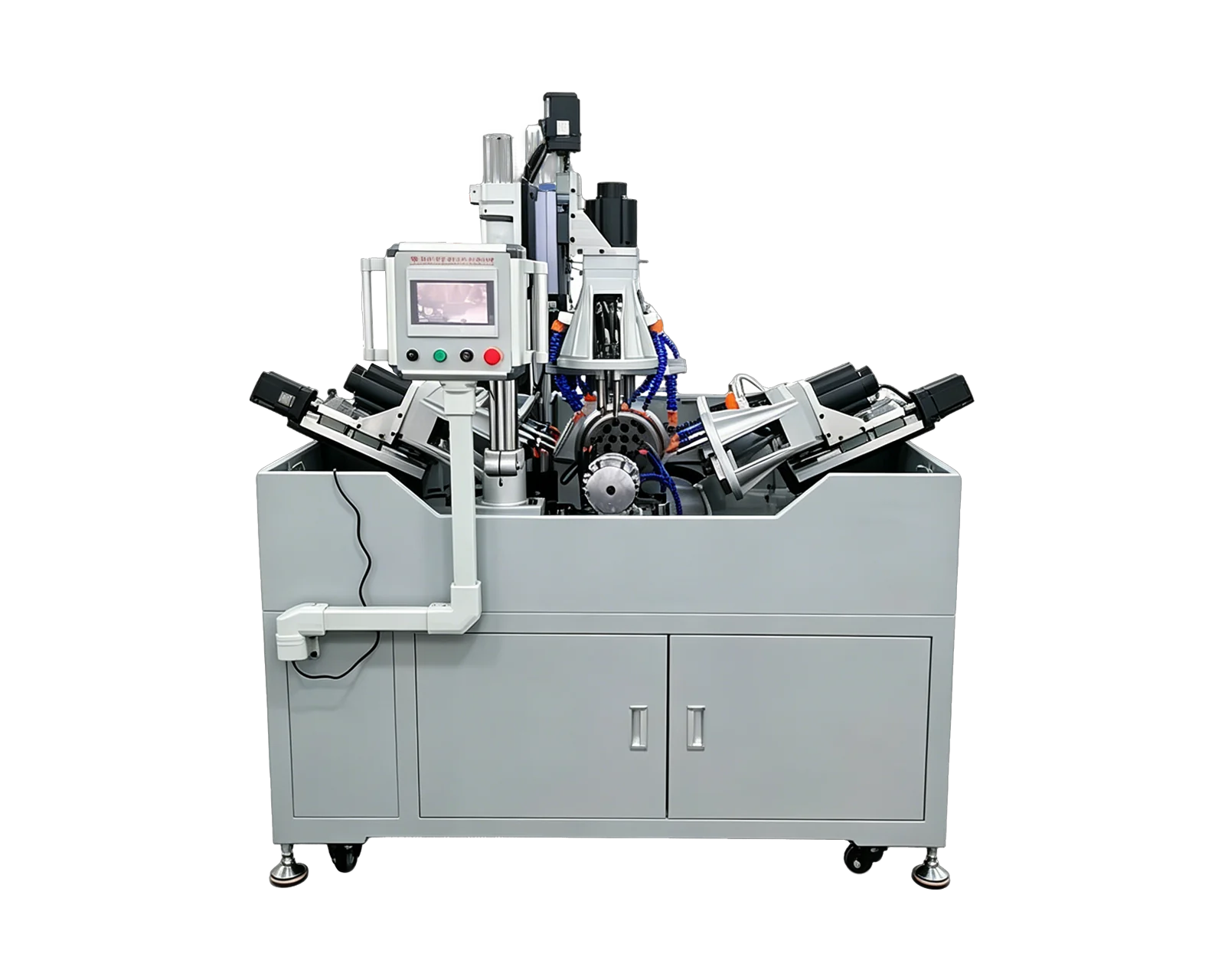
Dual-Servo Multi-Spindle Drilling & Tapping Machine →Review the published specifications and configuration options against your part drawing before requesting a quote.
Resolve two different questions before selecting a layout
First identify the cast-iron grade and supplied condition. Sandvik Coromant distinguishes grey, nodular, compacted graphite and other cast irons in its workpiece-material guidance. They should not be treated as one interchangeable tooling input. Provide the actual material record and refer process selection to the tooling specialist rather than choosing settings from the broad word casting.
Then establish the reference sequence. A drawing may locate threaded holes from a machined mounting face that does not exist on the incoming blank. That creates an upstream operation and a handoff to the drilling fixture. This article focuses on that transition, rather than the broader questions of casting supply, rib clearance and incoming blank acceptance.
Draw the reference sequence in three stages
Use three views: the received casting, the prepared intermediate part and the finished drilled or tapped part. On the first, identify candidate contact areas and actual supplied surfaces. On the second, mark the faces created by preparation. On the third, retain the drawing's required references and hole relationships. Have the drawing and fixture owners agree how these views connect.
Do not rename a convenient cast contact as a finished datum merely because a fixture can touch it. Likewise, do not assume a machined face is accepted just because it looks flat. Link the preparation operation to its specified checks and make the accepted intermediate state available to the equipment supplier. This gives the proposal a defined input rather than a visual approximation.
Assign responsibility for the reference handoff
The following original register is intended for the quotation discussion. It does not prescribe a fixture scheme or a dimensional standard. Use the drawing identifiers and inspection requirements approved for your component; include extra rows when separate setups create additional references.
Compare quotations with the same prepared input
In a hypothetical housing project, one supplier assumes the buyer provides a machined mounting face. Another includes a separate preparation station. Both proposals may describe drilling and tapping the same hole group, but they begin at different stages. Keep the preparation machine, fixture, transfer and inspection visible in the comparison before evaluating price or throughput.
If a proposed route changes which faces are used between operations, ask the technical team to explain how the final drawing relationships are verified. Reusing one clamp arrangement and changing setups are alternative concepts that require application review. Neither can be declared sufficient from a catalog image, and a successful hole-size check alone does not settle the reference-transfer question.
Trial the complete handoff, not an idealized sample
Retain the preparation history of each trial part. If samples are specially machined for the demonstration, explain how their intermediate condition compares with routine production. Agree which incoming variation and preparation results the trial represents. Ask the quality owner to choose the required characteristics and sampling rather than treating a small collection of attractive parts as production evidence.
Send BINSING the three stage views, cast-iron specification and ownership register to discuss the equipment boundary. Include any operation that will remain outside the supplied machine. The useful outcome is a proposal tied to an accepted intermediate part and a verification plan; the equipment discussion does not replace approval of the component drawing, fixture or inspection method.