Explore equipment for your inquiry
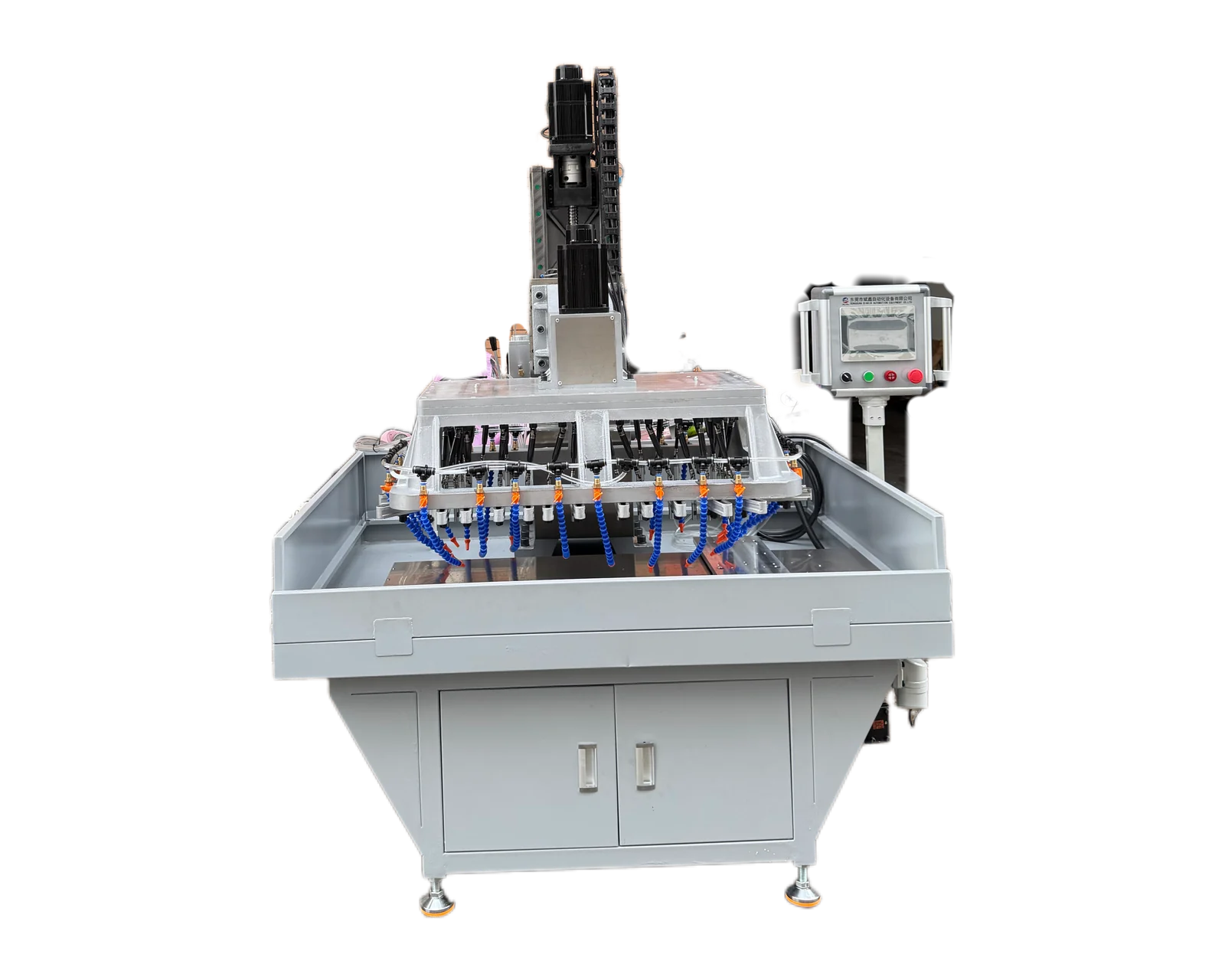
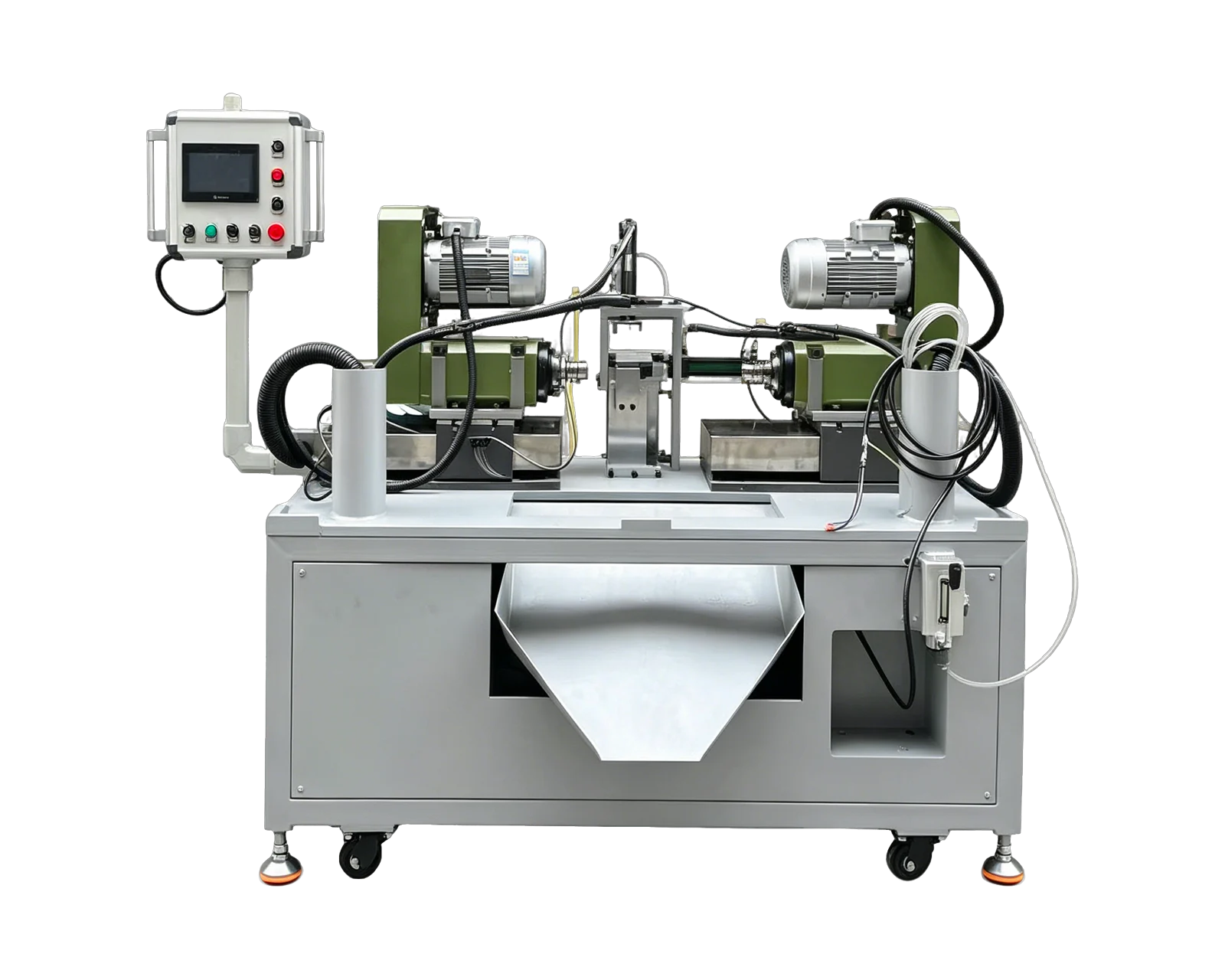
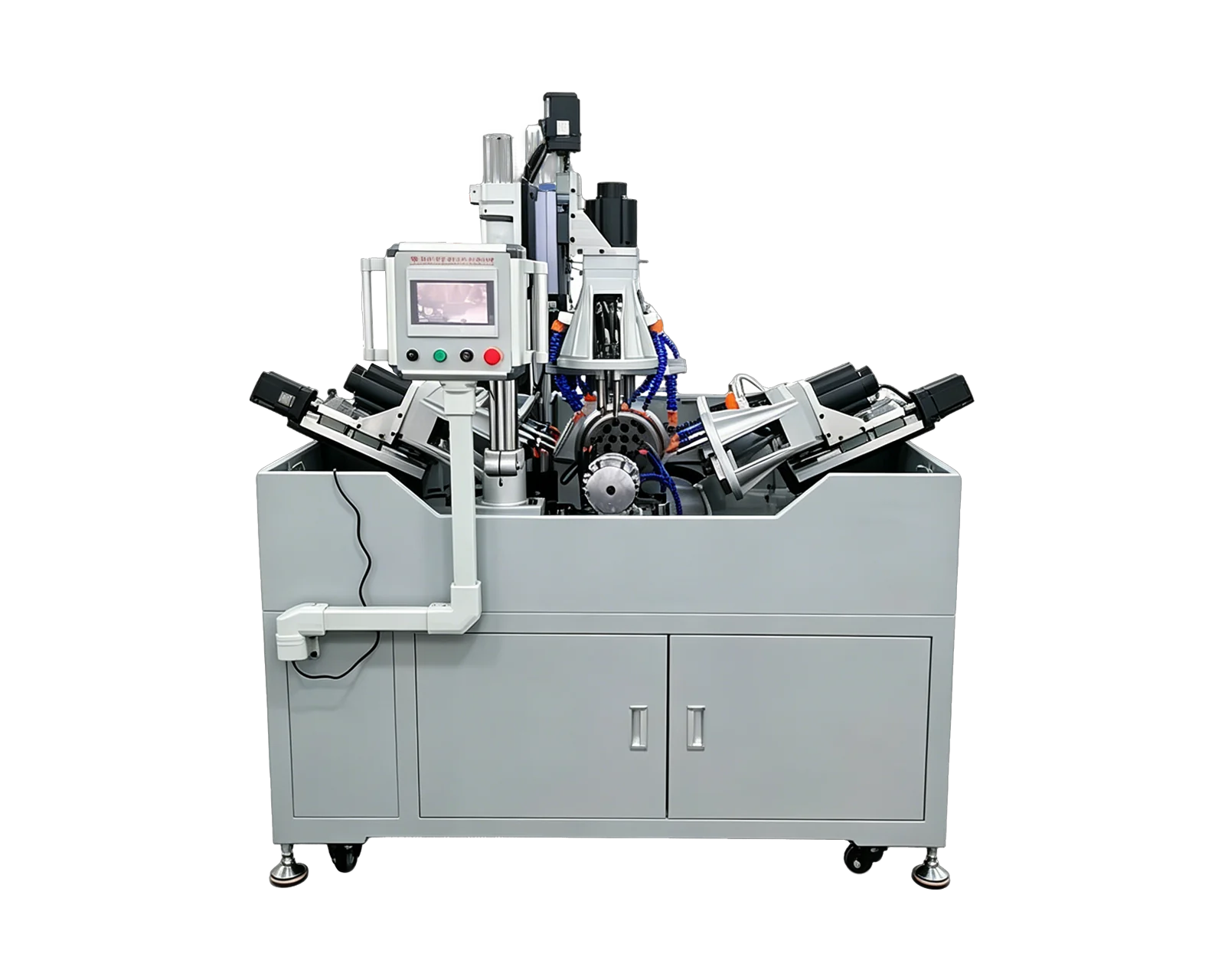
Dual-Servo Multi-Spindle Drilling & Tapping Machine →Review the published specifications and configuration options against your part drawing before requesting a quote.
1. Separate the assembly into the items being quoted
An adjustable foot inquiry often starts with a photograph of the complete assembly. That photograph does not show which component the buyer wants to machine. Identify the base, rod and any separately supplied connecting items with their own part numbers and drawings. State which item reaches the proposed station and whether it arrives loose or assembled. Include its material specification, revision and existing manufacturing stage.
Describe the requested operation on each component instead of using one phrase such as foot threading for the entire assembly. A base with an internal threaded feature and a rod with an external thread represent different process requirements. If the intended equipment scope covers only a hole in the rod or a thread in the base, say so explicitly. Assign the remaining work to its actual process owner.
2. Define thread gender and axial references explicitly
Use the released component drawing to identify the complete thread callout, reference face and required feature extent. For an axial hole, distinguish its depth from any usable threaded depth and identify the end from which the requirement applies. The schedule below organizes quotation inputs; it does not replace the engineering definition of the component.
3. Make the rod and base conditions representative
Record which surfaces and features already exist when each part is loaded. If the rod arrives with a finished external thread, identify that condition and any areas the buyer requires to be preserved. If the base includes an insert or an installed element, show it on the incoming-stage record. Do not send an empty component as an unlabeled substitute for a production item with installed parts.
List variants by component number, feature arrangement and incoming state. An assembly family may use different bases with a common rod, or different rods with one base; the inquiry should expose those relationships. Ask which combinations and individual parts the proposal covers.
4. Resolve a request that mixes internal and external threading
Hypothetical purchasing example: the inquiry asks for an automatic tapping machine for adjustable feet and includes a finished threaded rod. Further drawings show that the requested operation is an internal thread in a separate base, while the rod is purchased complete. Record the base as the quoted workpiece and the rod as interface context. The quotation can then address the intended internal-thread operation without implying that the machine manufactures the rod thread.
If the buyer later asks to add an axial rod feature, treat that as a separate defined operation requiring review, samples and an updated scope. Keep trial evidence tied to the component actually processed. It demonstrates how component naming can prevent an inaccurate equipment comparison at the beginning of procurement.
5. Agree component acceptance before assembly evaluation
For each included component, specify the agreed hole or thread checks and identify the drawing revision used for acceptance. If a mating component is supplied, document whether it is only a reference sample or part of an agreed check. Do not allow an informal assembly demonstration to replace the specified inspection method. Name the owner of any later assembly checks and keep those records distinct from machine trial results.
Email BINSING the individual component drawings, incoming photographs and operation schedule. Ask for an assessment of the defined drilling and tapping work and a list of assumptions still requiring confirmation. Loading capability, adjustment behavior and installation suitability belong to separately specified product validation. A useful machining proposal identifies the included parts and feature evidence without assigning unreviewed performance to the finished adjustable foot.