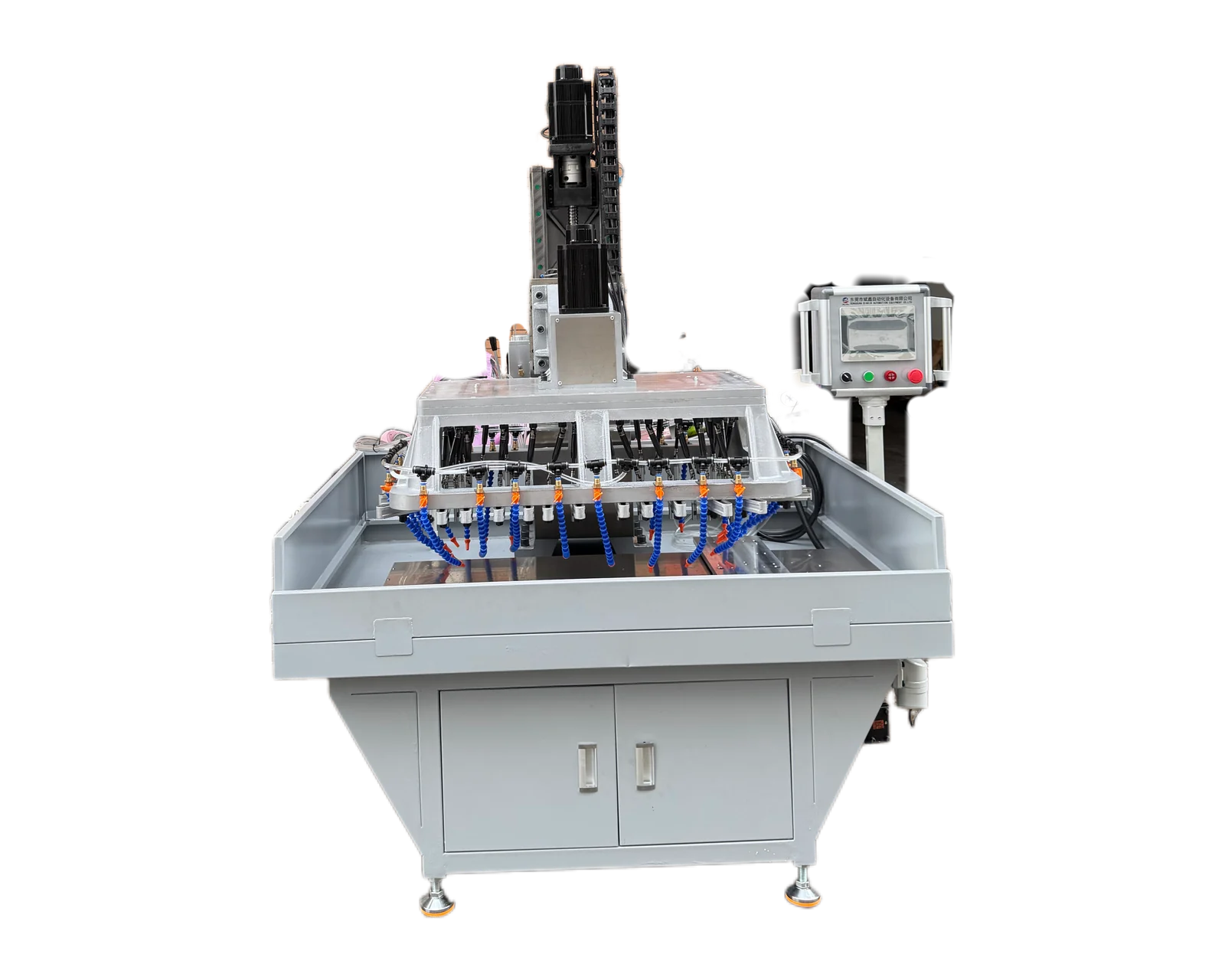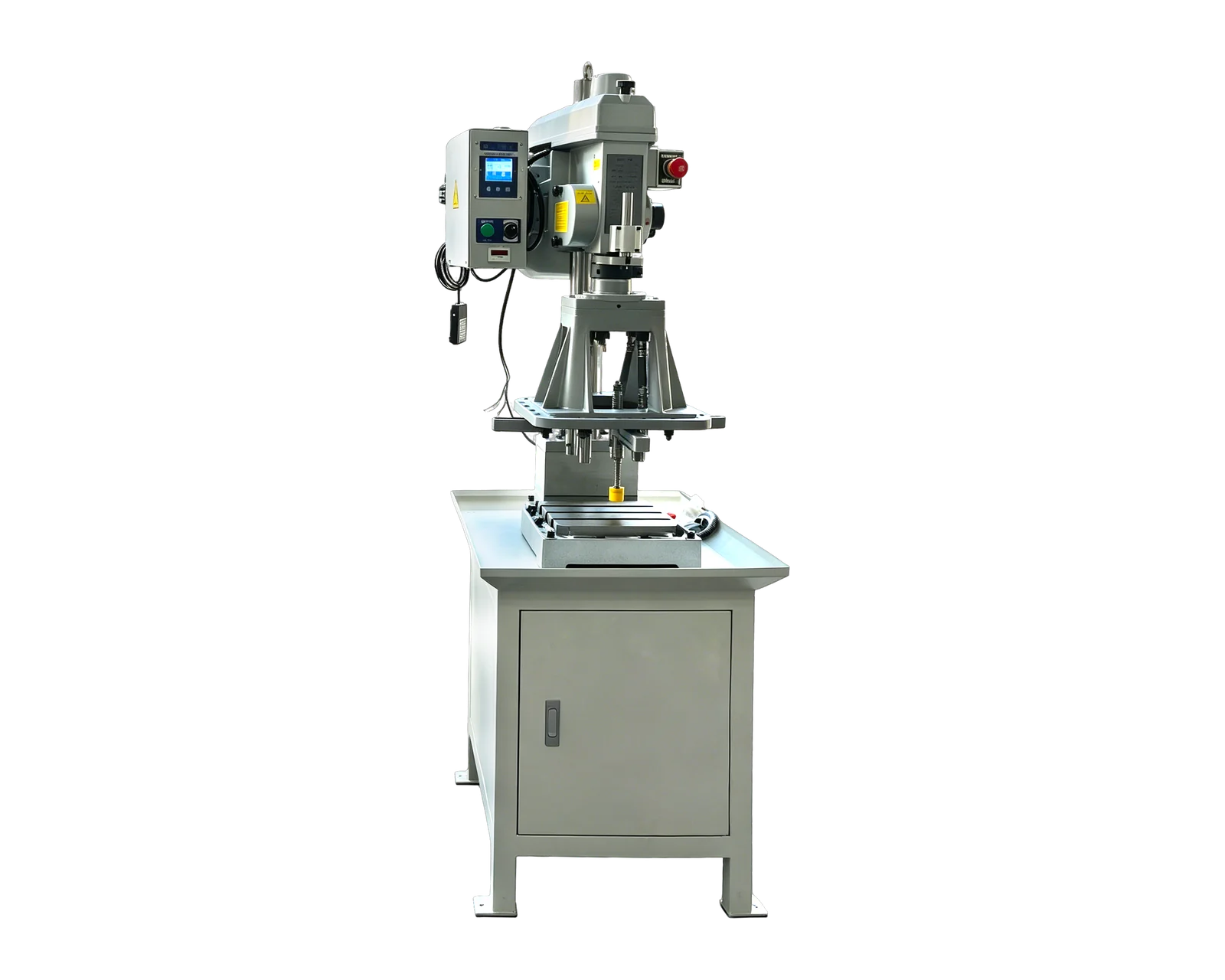
Explore equipment for your inquiry
4508 Gear-Driven Automatic Tapping Machine →Review the published specifications and configuration options against your part drawing before requesting a quote.
1. Name the part that enters the proposed machine
A metal insert supplied before embedding and a completed knob containing that insert are different workpieces. State which one will be loaded during normal production. Provide the insert drawing, material and revision, together with the assembly information needed to explain its state. If the inquiry concerns a bare insert, label a finished-knob photograph as context rather than as the supplied workpiece.
For an embedded insert, include the complete surrounding knob shape and identify the exposed metal faces. Describe the buyer's requirements for preserving the surrounding material and finished appearance. The application review should address the actual supplied condition. Do not present a successful bare-insert trial as evidence that the same arrangement accepts the assembled knob without a separate review of that condition.
2. Separate internal threads from external features
An insert drawing may show an internal thread, an external thread, a knurled region and a locating shoulder. Identify the requested operations individually. The term threaded insert is not a complete process specification. State what arrives finished and what the proposed drilling or tapping stage must deliver. Record external feature manufacturing and embedding under their actual responsible processes rather than assuming they belong to the same offer.
3. Keep insert identity through the change of state
Give trial samples a record that connects the metal insert version with its later knob assembly version when relevant. If a batch of inserts is sent for embedding, retain the batch reference and the quantity transferred. This allows an inspection result taken before embedding to be distinguished from an observation made afterward.
Define the labeling method at the container or part level according to the buyer's actual traceability requirement. If direct marking is unsuitable, specify the alternative record and transfer responsibility instead of assuming marking equipment is included. Ask the supplier to identify which records form part of the quotation and which remain a factory procedure.
4. Make before-and-after observations separate evidence
Hypothetical purchasing example: a buyer taps bare inserts and then sends them to a separate knob manufacturer for embedding. The tapping trial can document the internal thread condition at its own handover point. A later check on the finished knob has a different manufacturing-state reference. Keep both records, identify the samples involved and assign investigation of any difference through the agreed process responsibilities.
If the production plan changes to machining after embedding, issue a revised inquiry package with the complete knob geometry and handling requirements. Confirm the requested thread endpoint and incoming hole condition again. The earlier bare-insert result can remain background evidence, but it does not automatically establish the suitability of equipment for the new supplied state or assign responsibility for the embedding process.
5. Request a bounded tapping application review
Send expected quantities by insert and assembly version, the internal feature requirements, incoming-state photographs and available sample details. Ask the supplier to identify covered operations, proposed presentation assumptions and inspection evidence to be agreed. List external threading, retention-feature manufacture, embedding and final assembly checks separately. This makes it possible to compare a tapping-only offer with a wider proposal using explicit scope differences.
Email BINSING the metal insert package for review of the stated drilling and tapping work. Include the actual supplied state even when the final product is a plastic adjustment knob. The inquiry does not establish plastic molding capability, insert retention performance or complete knob durability. Those matters require separately defined processes and evidence from the responsible parties, beyond the component thread checks requested from the machining equipment.