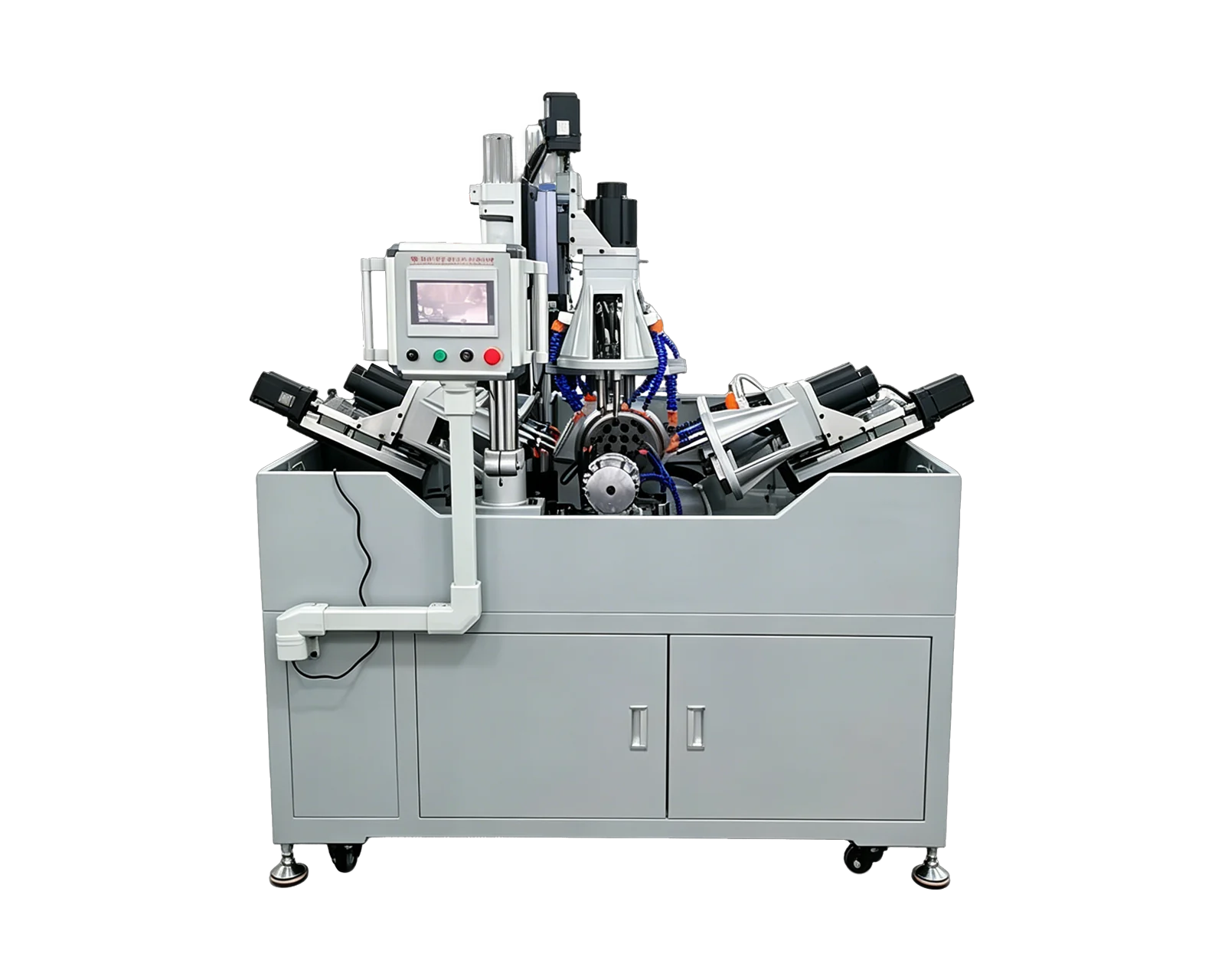
Explore equipment for your inquiry
Dual-Servo Multi-Spindle Drilling & Tapping Machine →Review the published specifications and configuration options against your part drawing before requesting a quote.
1. Describe the seat as it arrives at machining
Identify the component part number, revision, material designation and incoming operation stage. Mark whether the bearing seat is finished, unfinished or produced later. Also identify the mounting features that the proposed equipment must create. A finished drawing can contain both existing and requested work, so use a marked operation drawing to prevent the quotation from treating the entire component as its machining scope.
If an existing seat must retain its supplied condition, provide the controlled protection requirement and any relevant incoming inspection records. Do not replace those requirements with a broad request to avoid damage. The equipment reviewer needs to know which regions are protected, which contact is permitted and which characteristics will be checked after processing. Separate that information from any approval to use the seat as a locating reference.
2. Connect mounting features to the approved reference system
Identify the drawing datums controlling each mounting hole or thread and provide relevant sections of the component. Where a relationship involves the seat, retain the approved definition instead of substituting a convenient exterior edge. Ask the supplier to explain the proposed location and any assumptions about the existing geometry. Use the following record to keep production and verification responsibilities aligned.
3. Review protection and location as separate decisions
A surface may require protection without being an approved datum, while an approved reference may require a particular review of its supplied condition. Ask the proposed fixture concept to show both the references it uses and the contact regions it assumes. Include surrounding projections and attachment features that affect handling. Do not approve a concept from an isolated view of the mounting pattern alone.
Where supports arrive with protective packaging or temporary covers, identify the handover condition and assign removal, replacement and inspection responsibilities. If components can arrive through different upstream suppliers, state whether they meet one common incoming specification. Evidence from one sample should not silently broaden the accepted range. Any preparation expected before loading belongs in the agreed process route with an owner.
4. Keep a change in seat stage visible in the quotation
Hypothetical purchasing example: a buyer first submits a support whose seat is unfinished and later proposes supplying the same part with the seat completed. The mounting-hole drawing remains unchanged, so the purchasing team expects the original equipment assumptions to remain valid. The changed incoming state still needs review because protection, permitted contact and verification responsibilities may now differ.
Ask the supplier to identify which parts of the proposal were reviewed for the revised stage and which remain open. Keep the sample identity and stage on trial records so acceptance evidence can be traced to the actual input. This example explains a purchasing change; it does not claim a particular BINSING configuration achieves a bearing fit, assembly alignment or service-life result.
5. Define evidence for new features and preserved features
Create an inspection list that distinguishes features produced by the proposed station from existing characteristics checked for preservation. Agree the method, inspection resources and responsible party for each required check. Where a mounting relationship needs evidence involving an existing reference, identify how that evidence will be obtained. A thread check alone does not answer every dimensional question on the component drawing.
Email BINSING the incoming and finished drawings, mounting-feature list, seat protection requirements and production mix. Ask for explicit coverage of the submitted versions and a clear list of included fixtures and operations. Keep component machining acceptance separate from later bearing installation or assembly evaluation. Any fit, operating performance or life requirement needs an appropriate defined assessment rather than being inferred from a successful drilling and tapping demonstration.