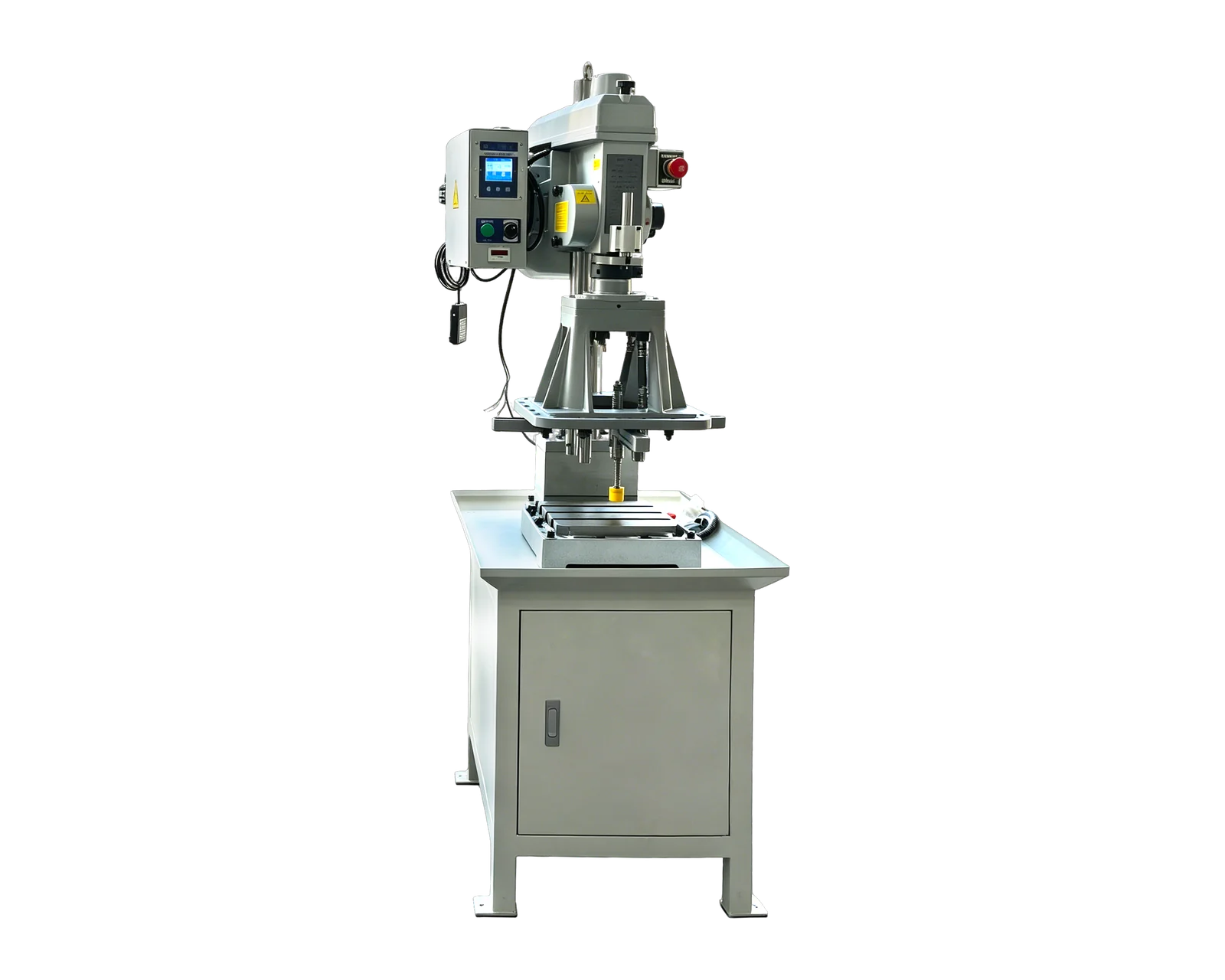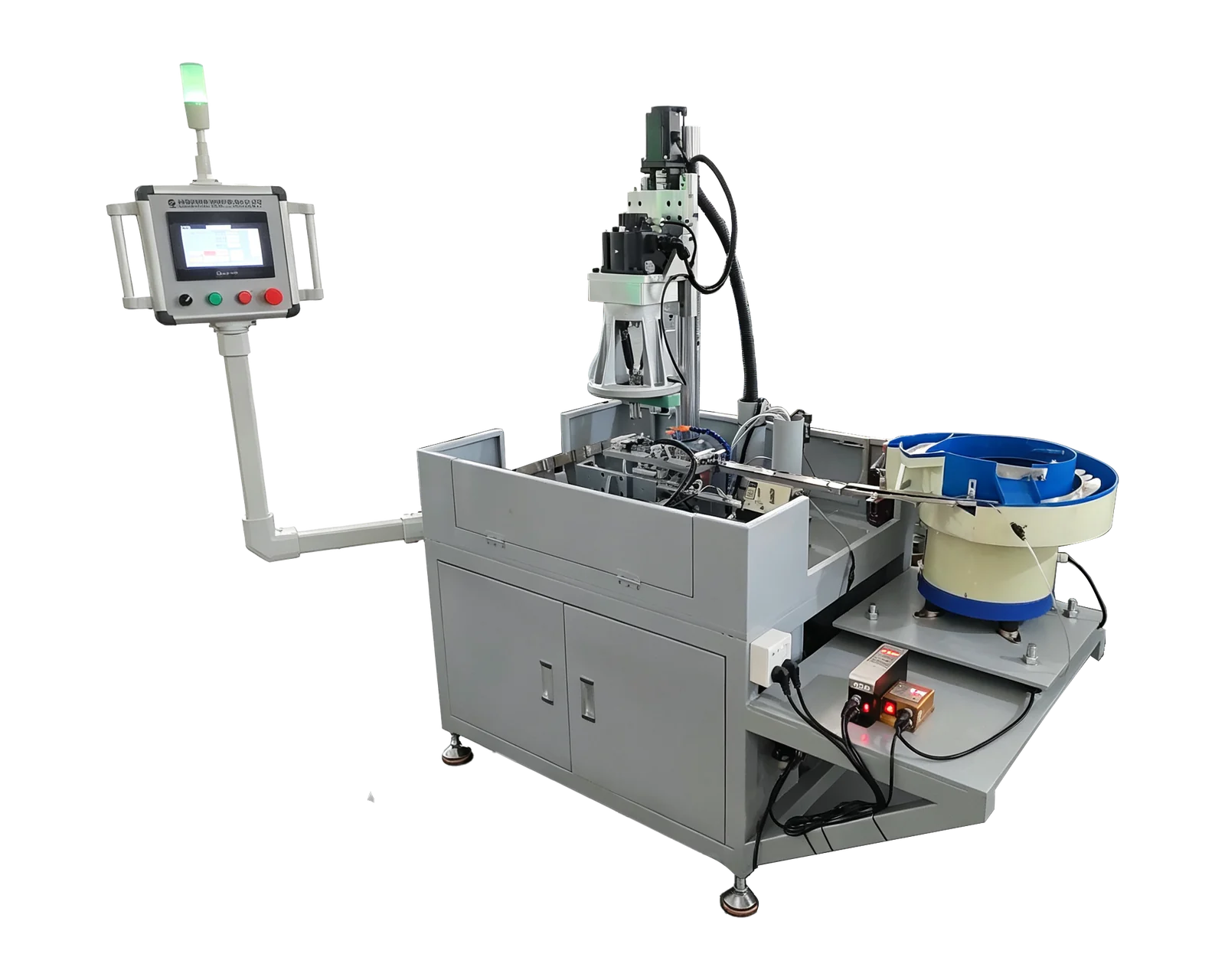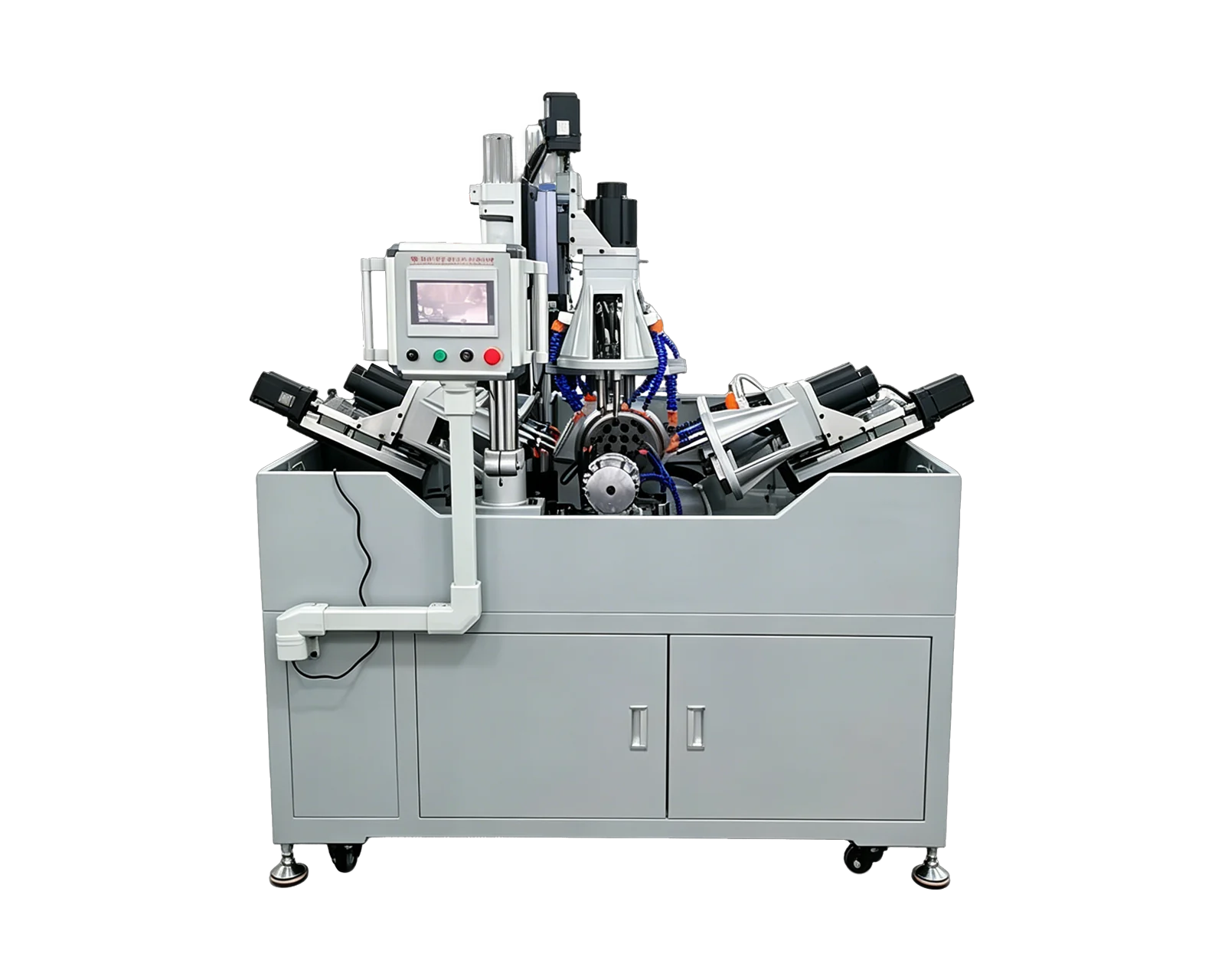
Explore equipment for your inquiry
Multi-Side Drilling & Tapping →Review the layout options and required part information to define the scope of a custom equipment inquiry.
1. Start with the turned component
Supply the incoming-stage drawing or a marked view showing what the turning operation has already completed. Identify the material, outside profile, existing axial opening and any finished end faces. Distinguish these from the holes or threads requested from the next machine. A finished spacer drawing alone may not reveal whether the inquiry is for drilling from solid, enlarging an existing feature or tapping a prepared hole.
List the actual part numbers rather than describing the family only as round spacers or support posts. Include shoulders, flats, reduced sections and other geometry present at loading. State any variation permitted by the incoming specification. The application review needs the supplied condition that production can provide, not an idealized blank that omits the features already created by the upstream process.
2. Give each end and side feature a clear reference
Use the drawing's references to distinguish ends when their requirements differ. Avoid describing a required operation as simply tapping the top, because that direction may depend on how the component is presented. Where a side thread has a specified relationship to an end face or another feature, preserve that relationship. Ask for clarification from the drawing authority if production terminology does not match the controlled requirement.
3. Review usable contact regions across the length range
State the length versions separately and show the geometry of the region available for holding and support. A longer component is not necessarily just a shorter component with more unrestricted surface. A shoulder, existing recess or protected finish may change the available region. Ask the supplier to identify the assumed contact locations for the reviewed versions, leaving fixture design decisions to the application review rather than prescribing them from a photograph.
Include any buyer-defined limits on marking or changes to the supplied surfaces, and identify how preservation will be assessed. If some versions arrive with oil, temporary protection or other materials, record that condition. These details should also inform the loading and collection discussion. A proposed automatic feed should be reviewed against the actual variant mix and incoming parts, not inferred from the fact that the components are small.
4. Check a length change that also changes end recognition
Hypothetical purchasing example: a buyer has two standoffs with the same outside diameter and side-thread designation. The shorter version has a distinguishing recess on one end; the longer version does not, and its drawing defines the side thread from a different existing reference. The buyer sends only the short sample. Extending the quoted length range alone would leave the second version's orientation and reference assumptions unresolved.
Provide both drawings and indicate which actual samples are available. Ask for explicit coverage of each version, any separate tooling or presentation requirements, and the evidence needed to close missing information. This example concerns part identity and the incoming turned state, rather than recommending simultaneous machining at both ends. It does not establish that a particular standard platform or feeding arrangement is suitable without reviewing the complete application.
5. Match the proposal to the remaining operations
Separate axial drilling, axial tapping and side-thread work in the quotation response. Identify any operations that remain outside the proposed arrangement, together with the required handover condition. Ask how a sample trial will address the specified feature relationships and the preserved turned surfaces. A successful check on one short component should be recorded as evidence for that component, not silently expanded to every listed length and reference variation.
Email BINSING the incoming-stage drawings, end-identification views, length list and requested hole and thread details. Include quantities and batch changes so the proposal can address the actual production mix. Ask whether the defined task warrants reviewing a standard platform or a multi-side arrangement, and request a clear explanation of the covered work. Keep unreviewed variants and unresolved supplied-condition questions visible before committing to equipment.