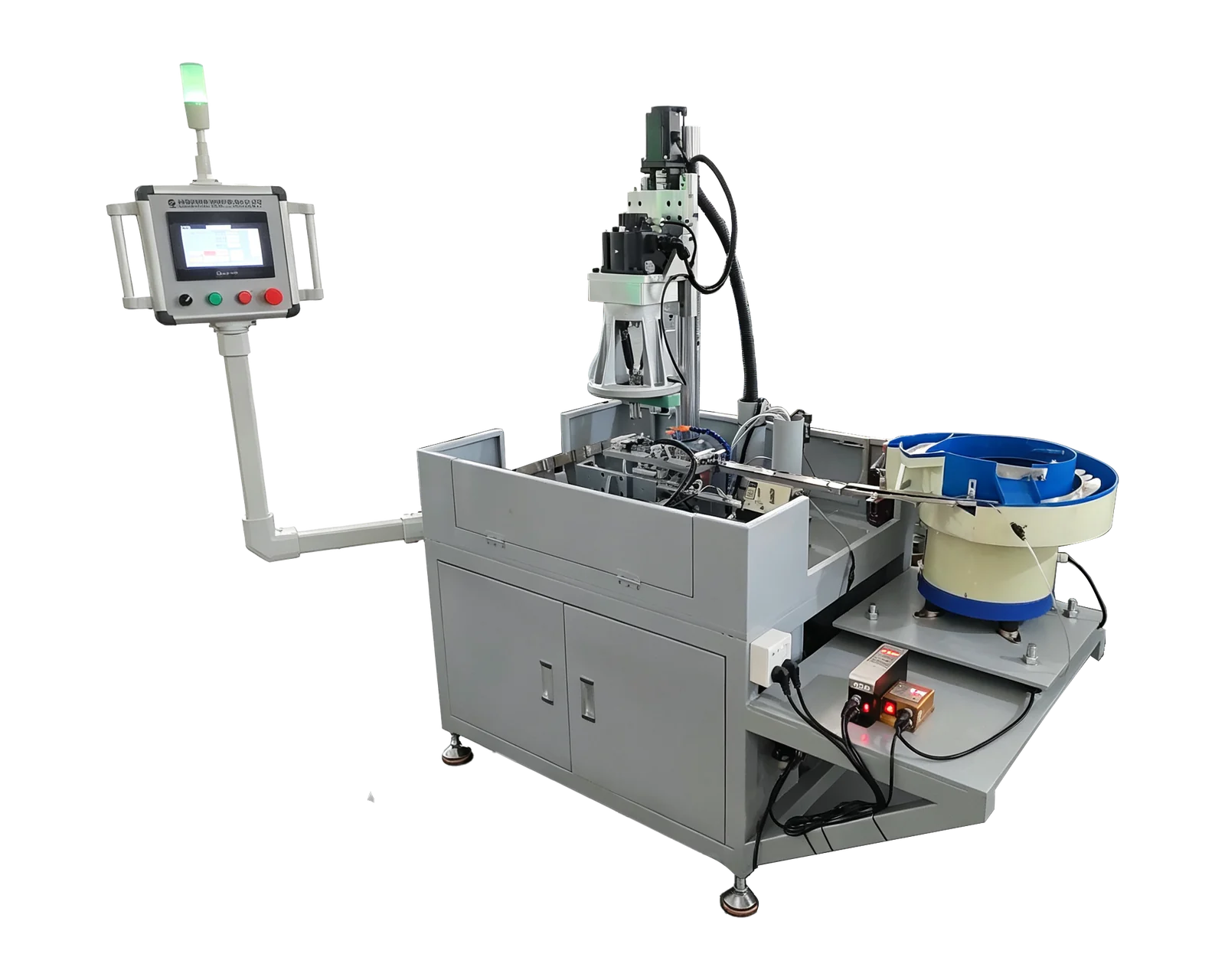
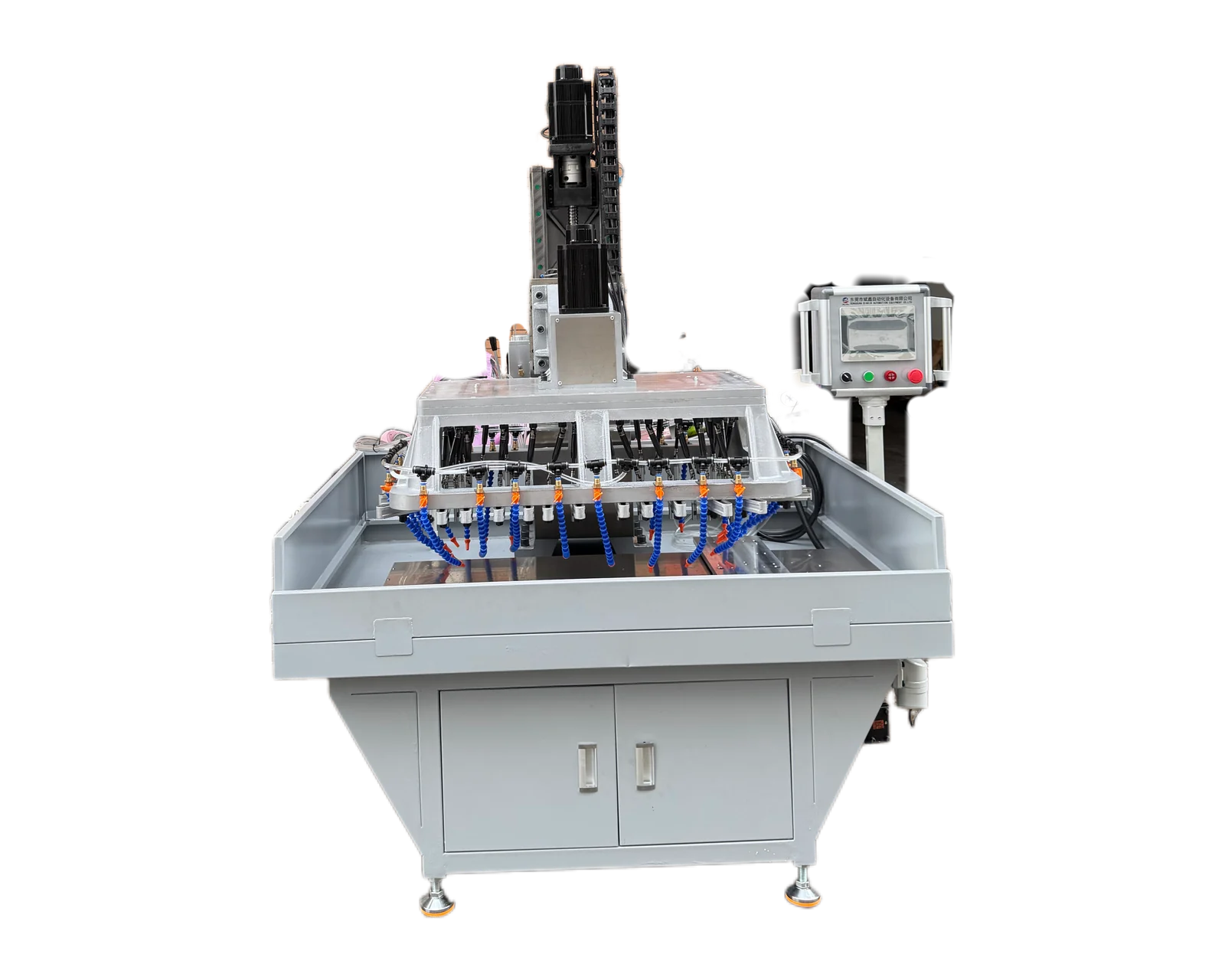
Explore equipment for your inquiry
Dual-Servo Multi-Spindle Drilling & Tapping Machine →Review the published specifications and configuration options against your part drawing before requesting a quote.
1. Name the interface question before sending a component
A physical mating part often explains an application more clearly than a photograph. It can also create an ambiguous success criterion if the request is simply make these fit. Describe whether the component is intended to illustrate orientation, demonstrate a particular assembly relationship or support an agreed functional check. Keep that purpose beside the controlling drawing requirements for the machined part.
This discussion concerns items such as covers, locating elements and receiving brackets rather than screw selection. Identify which contact surfaces and features matter to the stated question. If the mating item has been modified, used in service or selected specially, disclose that history. An unusual example may be useful for discussion without representing the component population expected in production.
2. Record both sides of the pairing
Create a pairing record rather than adding an unidentified object to the sample box. A component label should connect to its drawing, revision and known condition. Where that information is unavailable, make the gap visible and limit the intended conclusion accordingly. The five fields below help reviewers understand the evidence without treating a demonstration object as a calibrated inspection device.
3. Keep a cover-fit example within its evidence boundary
Imagine a hypothetical machined housing supplied with a separate cover that locates through a non-fastener feature. The buyer wants to see whether the identified pair can be presented together in the intended orientation after the requested hole machining. Record both identities and the exact observation. Do not silently turn that observation into evidence of sealing, full interchangeability or another performance requirement that was not examined.
If the cover is an earlier revision, the demonstration may still help explain the relationship, but its limits must be explicit. Ask the design owner whether it represents the current interface and what evidence is needed for the new revision. This invented example does not describe a BINSING test capability or promise a particular assembly result; it shows how to prevent a useful illustration from becoming an unsupported acceptance claim.
4. Agree the checking method and interpretation separately
The buyer's responsible technical owner should define the intended check and the evidence needed to judge it. Ask the supplier to confirm whether that activity is included in the proposed trial. State who supplies the counterparts, how their identity will be preserved and which reviewer interprets the result. A general request to include assembly testing leaves each of those responsibilities unresolved.
Keep dimensional or other specified verification distinct from the pairing observation. A favourable result with one counterpart does not automatically resolve an outlying drawing measurement, and an unfavourable result does not by itself identify which component caused the difference. Preserve the observations and refer the question to the relevant owners with both component records, rather than changing requirements to match one physical example.
5. Send a small evidence package with the inquiry
Include the machined-part drawing, counterpart reference, interface illustration and a short explanation of the decision the sample should support. List any unavailable revision or condition information. If several counterparts are proposed, explain whether they represent variants or repeated examples of one version. Ask for agreement on the selection before shipping so the exercise answers a defined application question.
For a BINSING inquiry, email the identified component pair and the requested drilling or tapping scope first. Explain which observations you want discussed and which requirements remain subject to separate verification. Request confirmation of the proposed trial boundary and records before treating a physical mating component as part of the equipment acceptance package.