Explore equipment for your inquiry
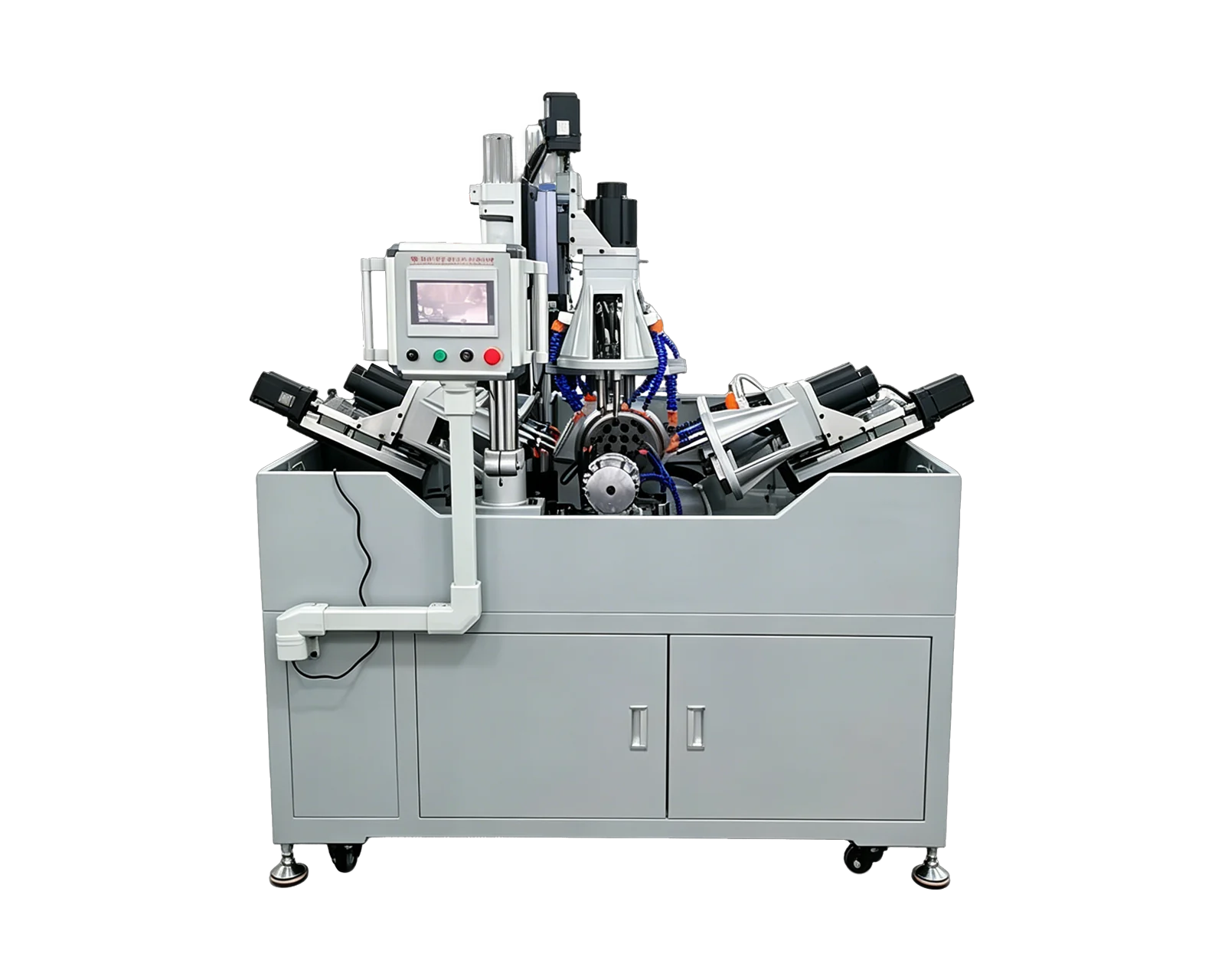
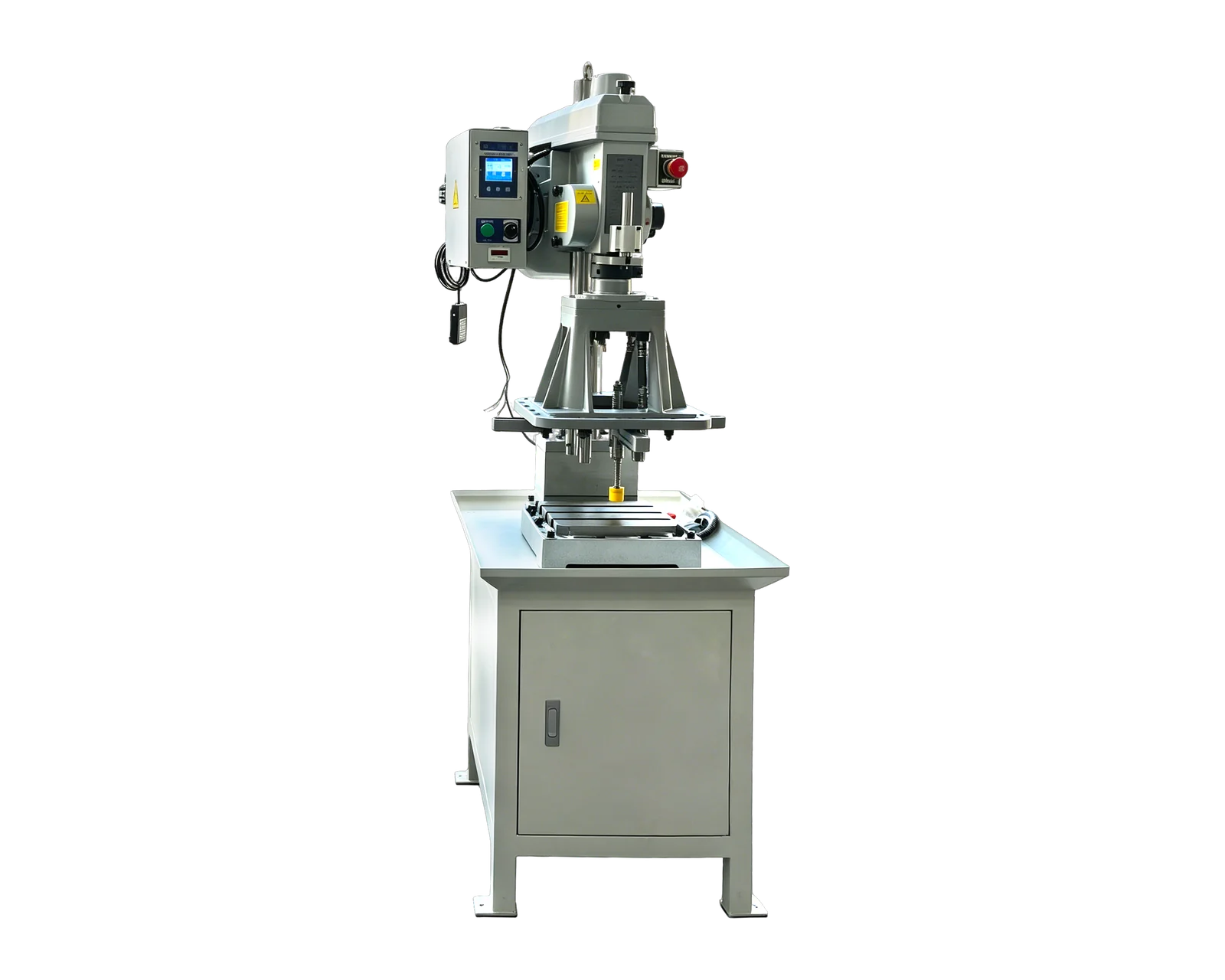
Dual-Servo Multi-Spindle Drilling & Tapping Machine →Review the published specifications and configuration options against your part drawing before requesting a quote.
1. Identify the collar construction and supplied stage
A shaft collar inquiry needs more than its outside diameter and thread size. Supply the individual component drawing and identify whether the item is a solid collar, a split component or part of a paired assembly. Include the material specification, revision and photographs of the actual incoming condition. Identify the central bore as an existing feature or a separately assigned manufacturing operation rather than assuming it belongs in the requested machine.
For a collar with a clamping cut, state whether that cut exists when the part reaches the drilling and tapping station. If the collar is supplied as separate pieces, identify each piece and explain whether a matched relationship must be retained. These are process inputs for review, not reasons to assume that one fixture will cover every collar construction.
2. Map each screw-related feature independently
A screw location can involve several distinct features. Use the drawing identifiers to separate a clearance passage, a recess and the threaded portion. State which already exist and which require work. The table is an inquiry structure; the released drawing remains the source for geometry and acceptance requirements.
3. Keep the reference condition consistent
Ask the supplier which existing surfaces and features are assumed in the proposed locating arrangement. Mark areas that must be preserved, including the finished bore or appearance surfaces where applicable. Supply the drawing-defined condition for checking the collar: a loose component, an identified assembly or another explicitly specified state. Do not replace that definition with an informal instruction to hold the part firmly.
If the sequence changes so that the clamping cut is made earlier or later, flag the change for review before treating previous trial evidence as applicable. Likewise, a sample with a finished bore is not evidence for parts arriving with an unfinished bore. The inquiry should connect incoming condition, proposed operations and outgoing checks so that every supplier evaluates the same manufacturing task.
4. Resolve a sample that represents a different stage
Hypothetical purchasing example: the drawing includes a clamping cut and screw features, but the sample is an uncut ring with the bore already finished. Production intends to supply cut collars to the new station. A demonstration on the ring would not directly establish the agreed process for the production condition. The buyer should label the sample as a different stage and supply representative parts before asking for final application evidence.
The quotation can still identify the intended operations while that evidence is pending. Record the missing sample condition, the party supplying it and the review needed once it arrives. This example is about scope control; it does not establish collar gripping performance or prescribe a cutting sequence. Those product and process decisions must come from the responsible engineering team and the agreed application review.
5. Request a proposal against a bounded collar family
List each collar version with its drawing revision, material, incoming condition, required features and expected batch quantity. Distinguish a change in outside form from a change in screw arrangement or split construction. Ask which versions are included, what changeover items are proposed and which versions require additional samples. Keep future variants outside confirmed coverage until reviewed.
Email BINSING this version list with the marked drawings and sample photographs. Request an assessment of a standard drilling and tapping platform or a defined custom arrangement for the stated work. Agree how the requested holes and threads will be checked and who handles any downstream operations. The resulting proposal should identify machining scope, assumptions and evidence still required, rather than promise suitability based solely on the term shaft collar.