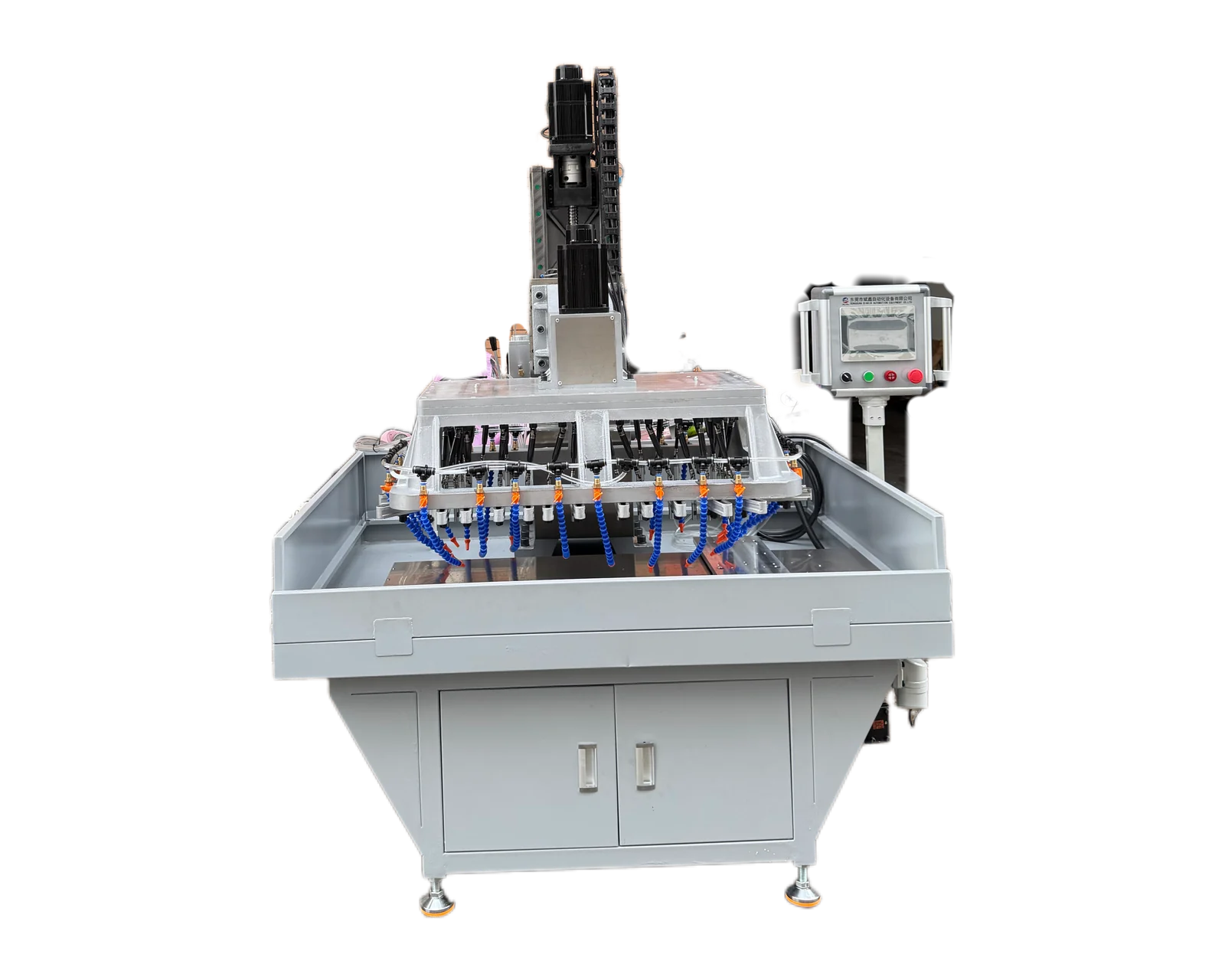
Explore equipment for your inquiry
Dual-Servo Multi-Spindle Drilling & Tapping Machine →Review the published specifications and configuration options against your part drawing before requesting a quote.
Give the screw a defined role in the inquiry
Buyers sometimes send a screw with a component and ask for a thread that fits it. The physical pairing helps introduce the application, but it leaves several requirements unresolved. Provide the controlled component drawing and the authorized fastener reference so the supplier can distinguish an illustrative assembly sample from the specification governing the machining operation.
State whether the supplied screw represents current production, an alternative under review or an unidentified example. If its identity is uncertain, label that uncertainty instead of asking the supplier to infer a complete thread specification from appearance or a simple fit attempt. Resolve the required designation and inspection basis with the responsible technical owner before confirming the process scope.
Connect the assembly reference to controlled requirements
Use the following fields to organize the discussion. They describe information to request, not assembly instructions or acceptance limits. The buyer's technical team should determine which controlled references and assembly conditions apply; the equipment proposal should identify what review or demonstration is actually included.
Keep a fit observation from becoming an unsupported conclusion
In a hypothetical review, a screw enters one sample component but behaves differently in another assembled stack. The observation deserves investigation, yet it does not identify the cause by itself. Confirm the identities and conditions of the components before attributing the difference to the tapping operation. This example is illustrative and does not describe any tested machine or customer result.
Record what was actually observed and refer unresolved questions to the appropriate technical owner. Avoid treating a successful assembly with one supplied screw as proof that all thread requirements are met. Equally, do not change the machining specification merely to accommodate an unidentified sample without reviewing the intended drawing requirement and the evidence from the agreed inspection method.
Agree which assembly conditions belong in the demonstration
If an assembly demonstration is requested, identify the relevant part condition, mating stack and procedure reference through the responsible team. State whether supplied pieces have already been used and whether coatings or other documented changes differ from production. The purpose is to make the observation interpretable, not to infer fastening instructions or performance limits from an informal trial.
Separate responsibility for producing the thread from responsibility for validating the finished assembly. Ask whether any requested demonstration is part of the proposed trial scope and what evidence will be recorded. Do not assume a tapping machine quotation includes fastener supply, torque verification, assembly engineering or product certification simply because a screw accompanies the inquiry.
Send an assembly reference package with clear open questions
Prepare a short manifest linking the component drawing, fastener reference, mating-part information and physical sample labels. Mark superseded samples when a revision changes. If the requirement is still under development, identify the decision the next review should support and keep the quotation conditional on the unresolved technical points rather than treating the sample as final authority.
For a BINSING inquiry, email the thread drawing and explain why the supplied fastener is relevant to the requested drilling or tapping review. Include the intended inspection responsibility and any separately requested assembly observation. Ask what information is needed to assess the workpiece and proposed sequence, while your authorized team retains ownership of the assembly requirements.