Explore equipment for your inquiry
Multi-Side Drilling & Tapping →Review the layout options and required part information to define the scope of a custom equipment inquiry.
1. Describe the assembly delivered to machining
Provide the assembly drawing, relevant model and the controlled specification for its incoming state. Identify all members, brackets and attached items that will be present. A drawing of the individual plate being drilled does not show whether another member obstructs the approach or changes the space needed to position the assembly. State whether covers or other removable components are present at this manufacturing stage rather than leaving that decision to the equipment reviewer.
Include overall dimensions, mass information and the approved handling arrangement where available. Separate nominal design geometry from the accepted incoming condition and from measurements recorded on samples. Where an incoming requirement is still being defined, label it as pending and name its owner. The equipment quotation should identify the assembly condition used for its assessment instead of assuming that every welded assembly arrives exactly like the model.
2. Connect each machined feature to its assembly references
Label the holes and threads to be completed after assembly, and distinguish them from existing finished features. Retain the drawing's reference system when describing their required relationships. If holes on separate members must relate to one another, show that relationship explicitly. Avoid replacing it with separate dimensions measured from convenient local edges unless the product owner has approved that definition.
3. Review the whole envelope around each approach
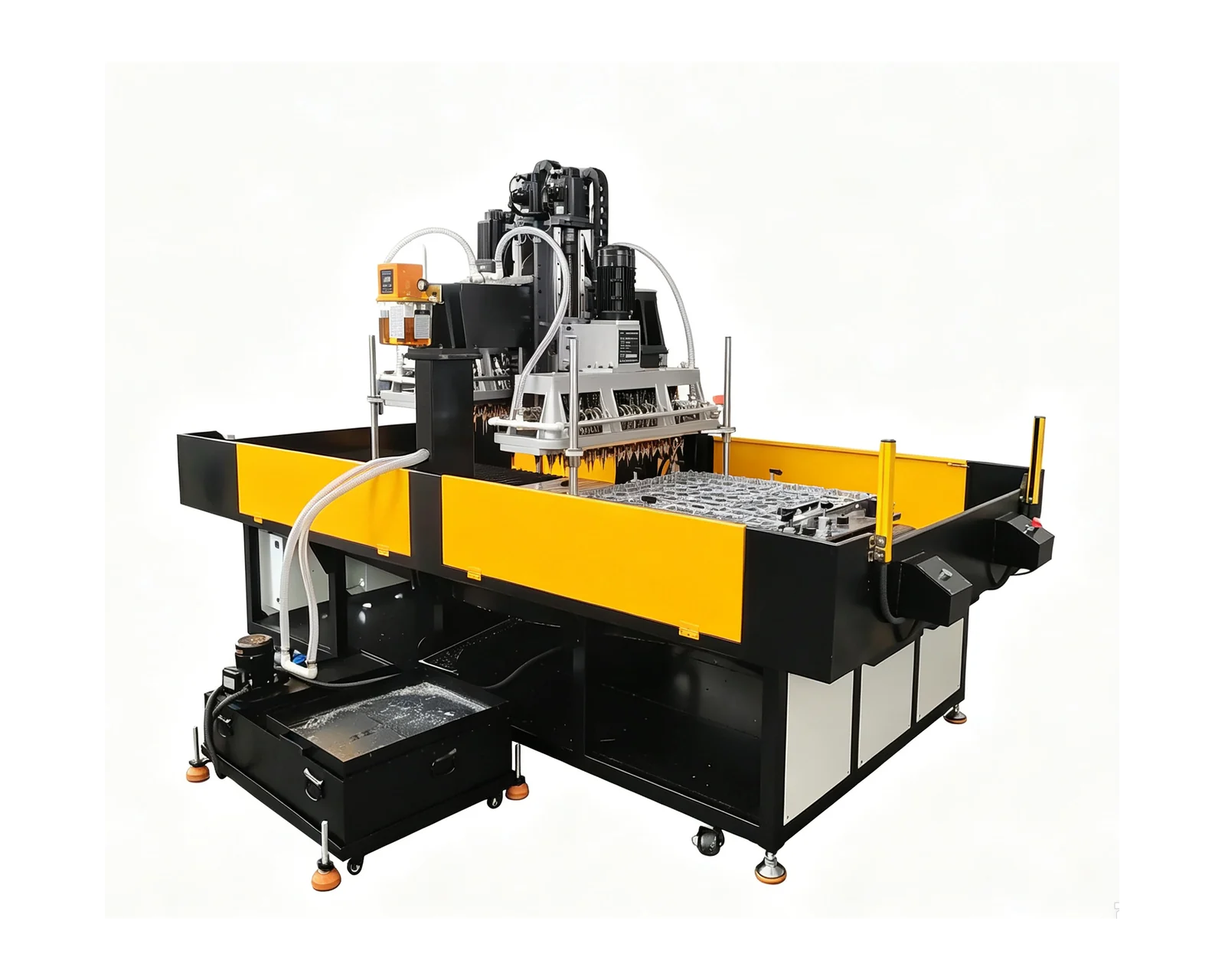
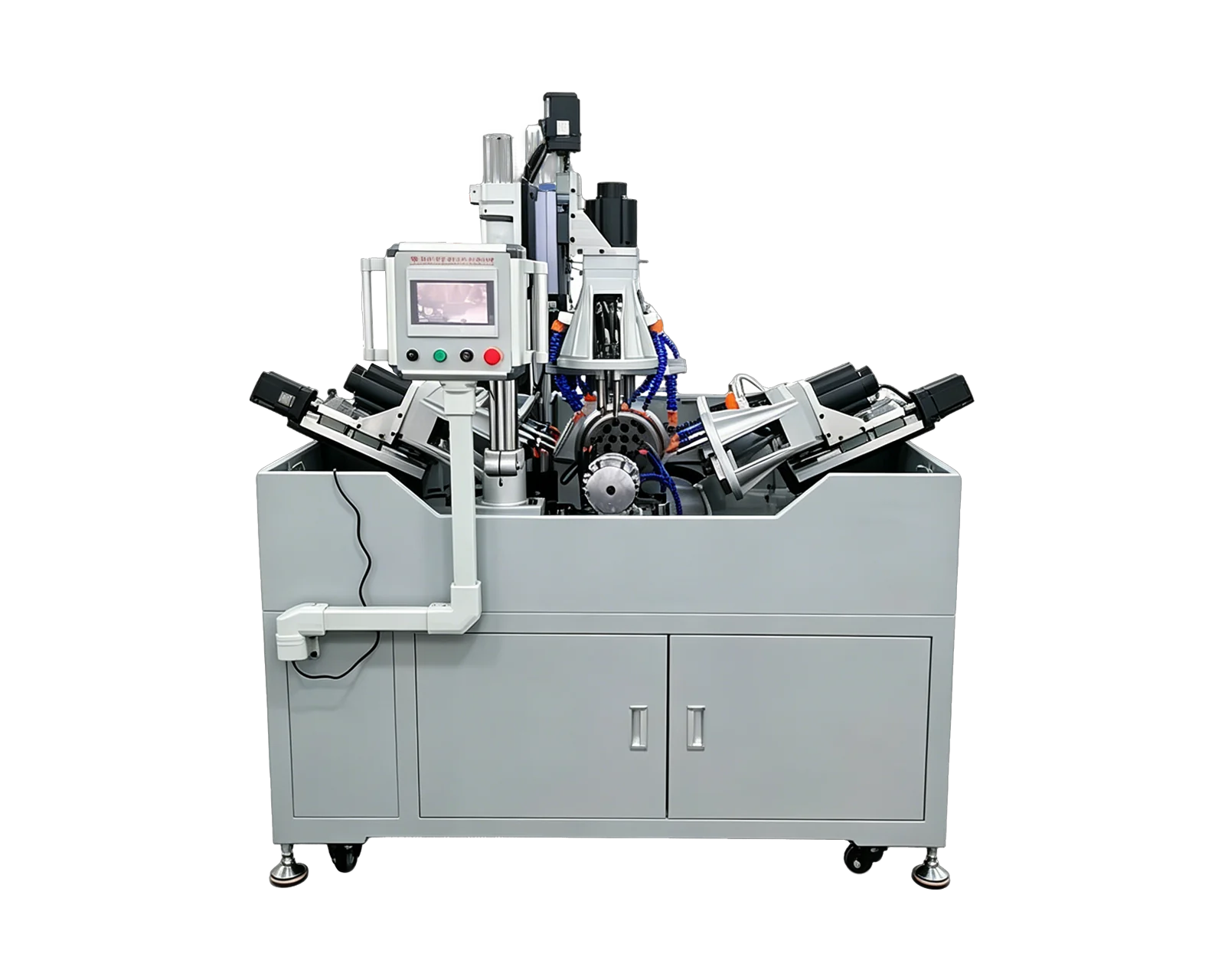
Ask for a concept that shows the complete assembly, locating arrangement and proposed machining directions. Include protrusions and attached components even if they are far from the target feature. They may matter to loading space, fixture access or the sequence used to present different faces. A catalog image can introduce a machine arrangement, but it cannot establish clearance for a particular assembly or confirm its handling provisions.
Where a proposal uses more than one setup, ask which finished features belong to each setup and how the required relationships will be checked. Where it proposes a common setup, ask the same questions about accessible features and evidence. Neither approach should be selected solely because it sounds more integrated. The comparison should connect the actual drawing requirements to the reviewed component and the defined production scope.
4. Make incoming acceptance separate from machining acceptance
Hypothetical purchasing example: a fabricated frame needs threaded holes in two mounting plates after assembly. Its individual plate drawings appear straightforward, but a cross member occupies space near one machining face. The buyer also requires a relationship between features on opposite plates. Supplying the complete frame model and assembly-level references exposes both questions before the equipment concept is priced.
In this example, the machining proposal should state which incoming frame conditions it covers and how the finished features will be assessed. It should not silently include correction of an out-of-specification assembly. Ask who checks incoming eligibility and what happens when a supplied part does not meet the agreed input requirements. Welding-process development and assembly repair remain separate scopes unless explicitly reviewed and contracted.
5. Request evidence tied to the complete assembly
Identify representative assemblies for the review and record their revision, configuration and available dimensional results. If a simplified sample is used for an early discussion, state which access, handling or relationship questions it cannot represent. Ask for those remaining questions to be resolved against the complete component before treating an equipment concept as ready for the intended production scope.
For a BINSING inquiry, email the full assembly information together with the finished-feature map and production requirements. Ask the response to list the proposed machining arrangement, assumptions about the incoming assembly and the work excluded from the offer. A clearly bounded proposal lets purchasing compare the equipment work with the buyer's own assembly, handling and quality responsibilities.