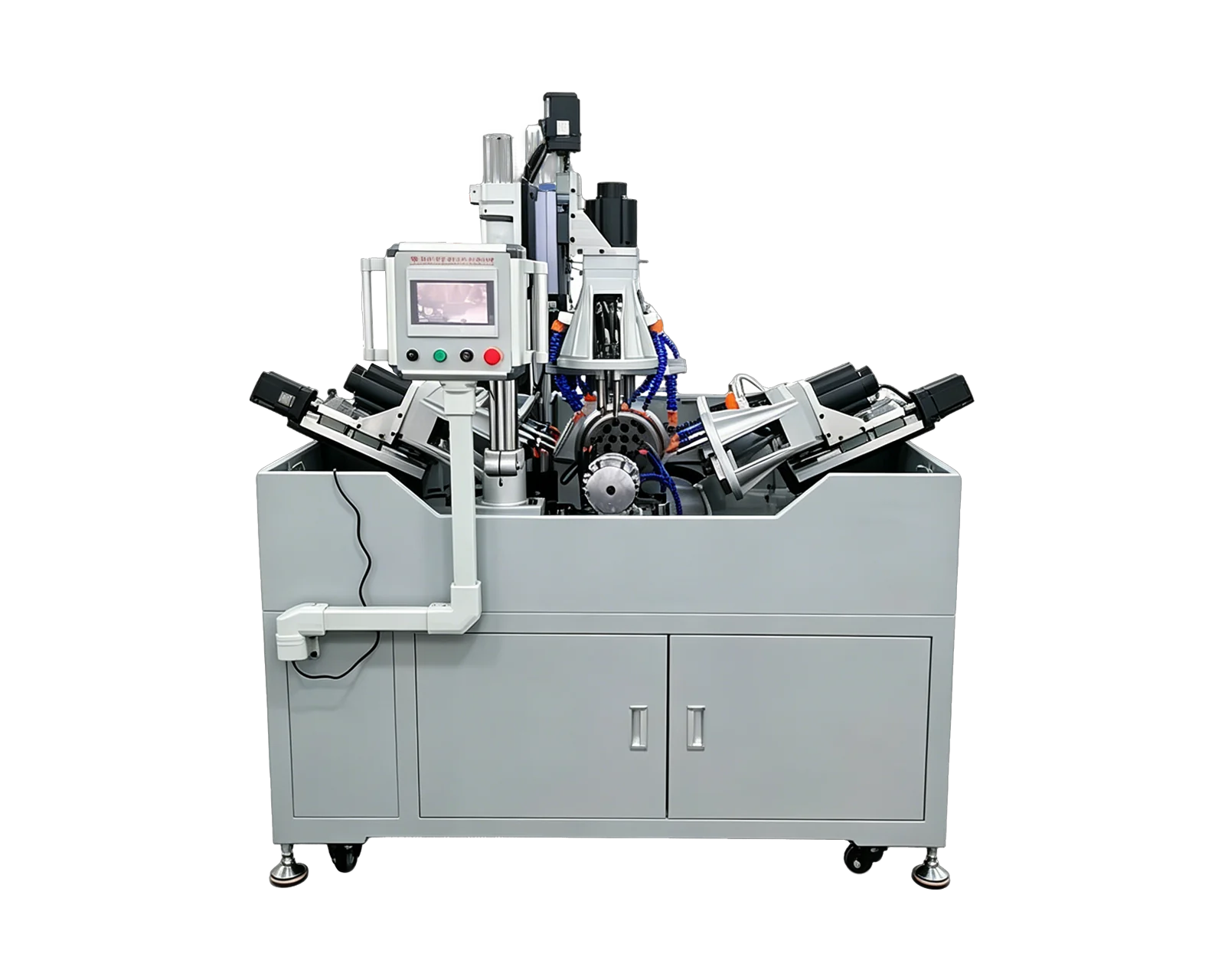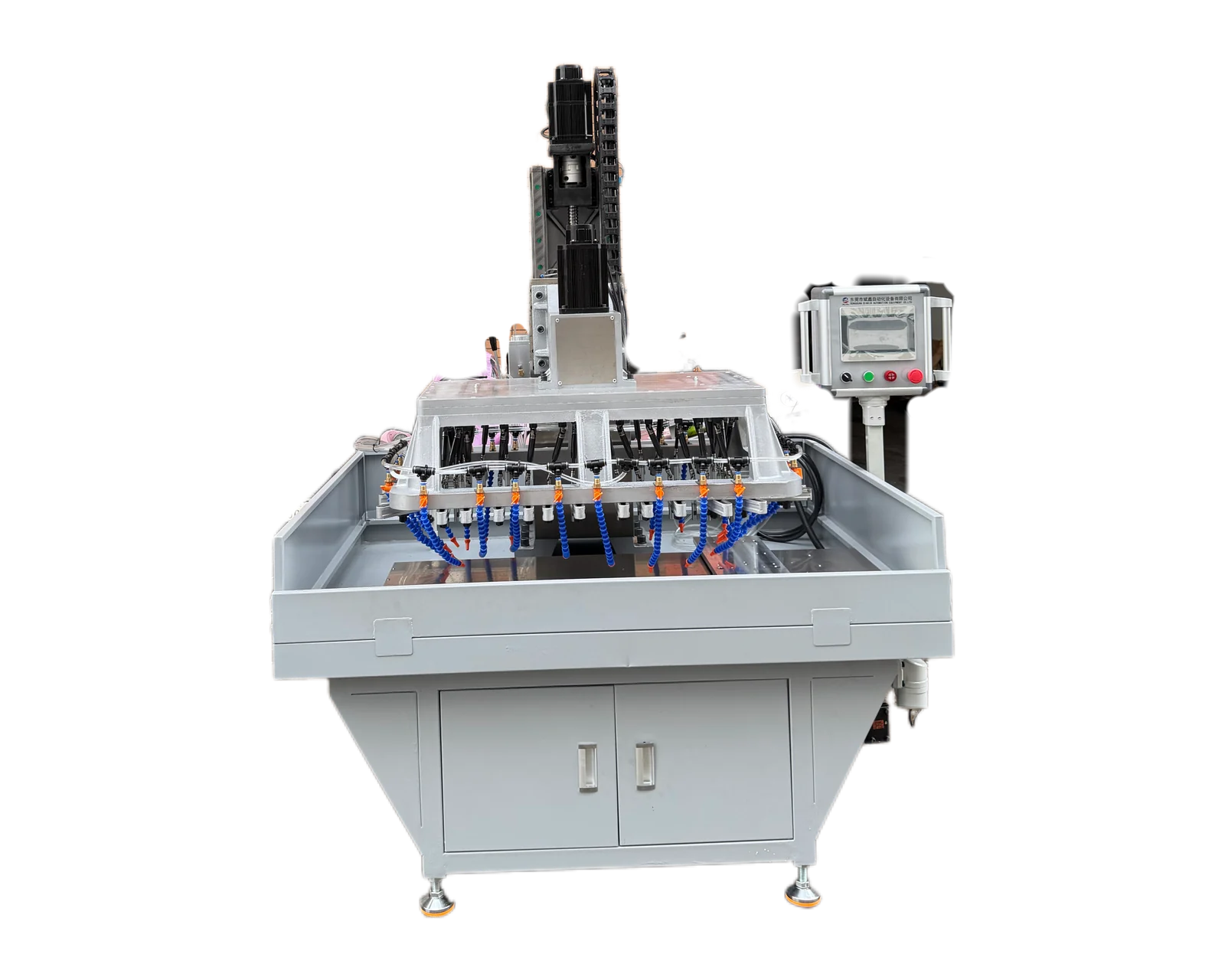
Explore equipment for your inquiry
Servo Traverse Multi-Spindle Drilling & Tapping Machine →Review the published specifications and configuration options against your part drawing before requesting a quote.
Define the decision the first package should support
Start by naming the purpose of the exchange: initial application fit, a budget discussion, detailed configuration review or a final quotation. A photograph and rough envelope can help introduce a part, but cannot resolve missing hole locations or inspection requirements. Label an early package preliminary and identify the questions it is intended to answer.
Assign a document owner inside your organization to prepare the outbound copy. Follow your own authorization process for customer-owned or restricted material. This guide concerns the clarity of a procurement package; it does not determine disclosure rights, confidentiality terms or the protection provided by a communication channel. Resolve those arrangements through your responsible internal team.
Separate technical necessities from unrelated details
Review content field by field rather than obscuring an entire drawing border or cropping views without explanation. The technical reviewer should confirm what is sufficient for the requested stage, and the document owner should authorize what may be sent. Keep outbound versions identifiable.
Make omissions visible rather than inviting assumptions
In a hypothetical inquiry, a buyer removes an assembly view to avoid sharing an unrelated customer layout. The remaining component drawing also omits the surface used for locating the part. The useful next step is to identify that missing reference and arrange an authorized technical view, not to let the supplier assume that any exterior surface can serve the same purpose.
An omission list can use neutral labels such as interface view pending or incoming-face definition pending. Connect each item to the question it affects. If an internal identifier is replaced by a project code, keep a controlled mapping with the document owner so later samples, revisions and quotations can still be matched to the correct component.
Review the actual outbound files before sending
Have the authorized owner open the prepared files and check that the intended views, dimensions, units and revision references remain readable. Inspect accompanying attachments and exported file properties according to your organization's document process. Avoid assuming that a visible overlay or a renamed file alone establishes what information the recipient can access.
Include a short manifest listing filenames, revisions, purpose and known omissions. When sending a replacement, identify which earlier file it supersedes. Ask the technical reviewer to refer to that manifest in questions and quotations. This helps keep a preliminary, incomplete package from being mistaken for the later approved technical baseline during project handover.
Agree the next disclosure stage around open technical questions
After the initial response, collect the unresolved questions and identify the minimum authorized evidence needed for each. Some may be answered with a marked detail view or an incoming-part description; others may require the complete controlled geometry. Let the responsible technical team decide whether the evidence is sufficient, rather than promising that a heavily simplified model represents every relevant constraint.
For a BINSING inquiry, email the authorized package with its purpose, manifest and omission list. Ask which items are needed before a proposed configuration or quotation can be confirmed. Keep commercial disclosure decisions with your document owner and request a clearly qualified technical response while material remains unavailable. No particular confidentiality arrangement or document-handling capability is implied by the inquiry itself.