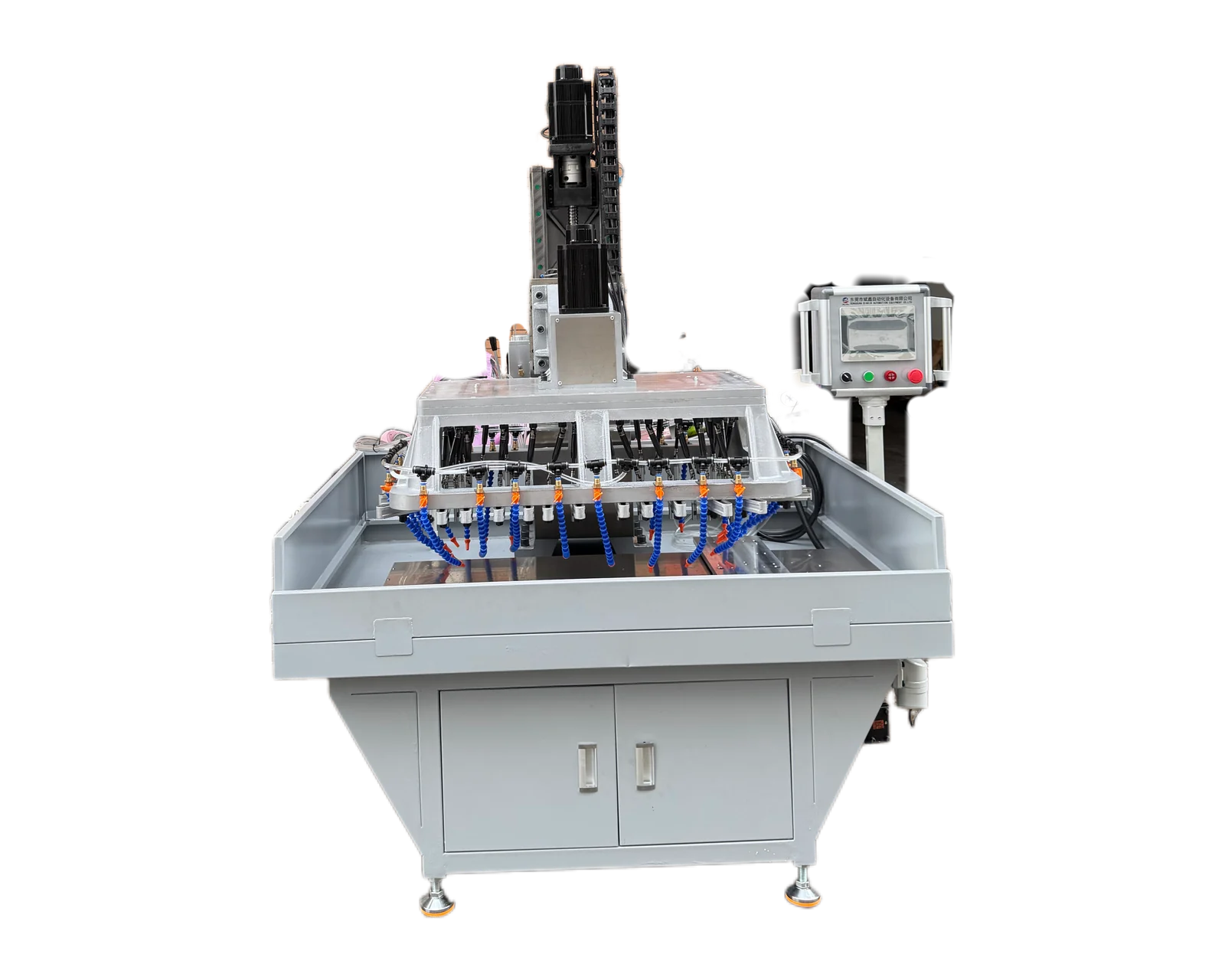
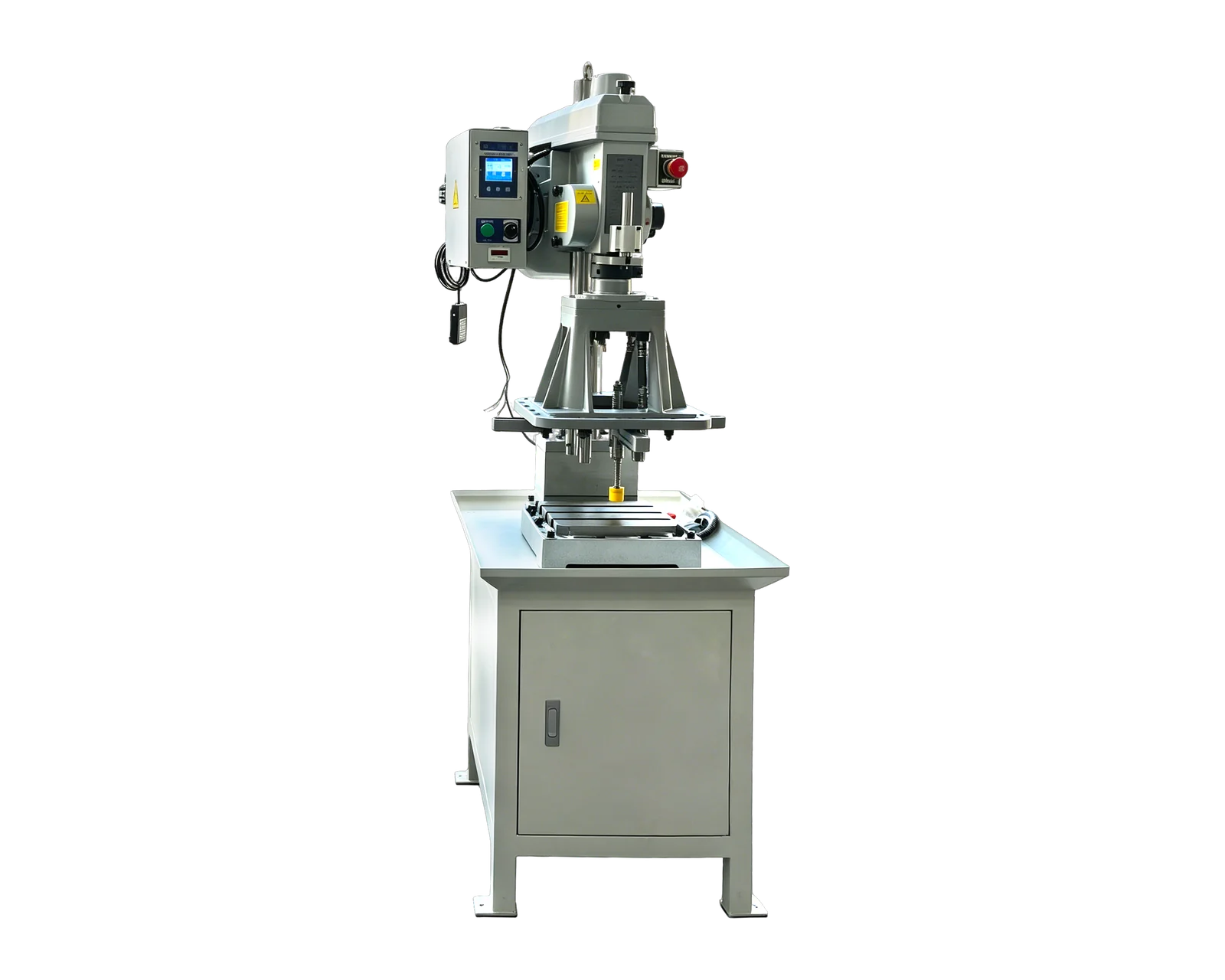
Explore equipment for your inquiry
Automatic Tapping Machines →Compare tapping platforms and feeding options before defining your thread-machining inquiry.
1. Create a thread register linked to the drawing
Give every tapped feature or repeated group a clear identifier. Copy its complete thread callout from the approved drawing, including the thread system, size, pitch and specified tolerance where applicable. State the required thread depth and whether the feature is blind or through. Refer any ambiguous callout to the design authority rather than asking a machine supplier to guess the intended connection.
Add the incoming hole condition and identify which preparation work is included in the inquiry. A quotation for tapping prepared holes differs from one that must also produce those holes. If several features look alike but have different depths or pitches, keep separate rows. This register becomes the common reference for tooling scope, process coverage and finished-feature inspection.
2. Request an operation plan for the actual combination
Ask the supplier to map the register to the proposed equipment arrangement. The response should identify the features included in each operation, any tooling changes and any transfers to another position or machine. These are application decisions requiring review of the selected equipment and tooling. Neither the word servo nor the number of spindles is a complete answer to a mixed-thread inquiry.
3. Separate repeated holes from unlike thread groups
Hypothetical purchasing example: a bracket has four identical mounting threads and a larger service thread on another face. The buyer initially describes the requirement as five tapped holes. That description hides two thread groups, different approaches and potentially different preparation work. A useful proposal responds to the four mounting features and the service feature separately, then explains how they form one complete route.
The supplier might propose shared equipment with sequential work, separate arrangements or a custom process direction after reviewing the part. Purchasing should compare the included steps and transfers, not assume all five holes are completed simultaneously. Ask what the quoted cycle or output statement includes, especially when it describes only the repeated mounting group rather than the finished component.
Separate diameter and pitch in the review. Two callouts can share a nominal diameter while requiring different pitches; two different diameters can share a pitch. For ordinary single-start threads, pitch sets the required axial advance per revolution. Matching pitch alone still does not establish shared-tooling, shared-speed or shared-feed suitability: depth, material, tool choice and the actual mechanism remain part of the supplier's review.
4. Specify the delivered tooling and change items
Connect every included tool or holder to its feature group. Identify initial tooling, replacement items and any configuration changes needed to cover the full part. Where the proposal leaves tooling selection open, record what must be resolved and whether the price includes that work. A general line for tapping tooling is difficult to compare when the suppliers assume different thread coverage.
If later products may introduce another pitch or size, list them as separately reviewed variants. Ask which items would need reassessment and which change components, if any, are included now. Keep future flexibility distinct from the current purchase scope. This makes the equipment discussion concrete without treating a broad catalog tapping range as proof that an unreviewed future combination is supported.
5. Accept the complete part, with traceable thread results
Agree how each thread group will be checked and who supplies the inspection equipment. Record results against feature identifiers, including the relevant depth requirement and drawing revision. Passing one group does not complete the inspection of another. Ask the trial report to identify the actual process route so the evidence corresponds to the arrangement being purchased, including any separate steps.
Send BINSING the thread register, drawing and incoming preparation list when requesting a platform review. Include the expected product mix and whether every component needs all listed features. The resulting discussion can focus on a defined configuration, its included tooling and the remaining external operations. This provides a clearer buying decision than asking for a machine that can tap several sizes without showing how they occur on the part.