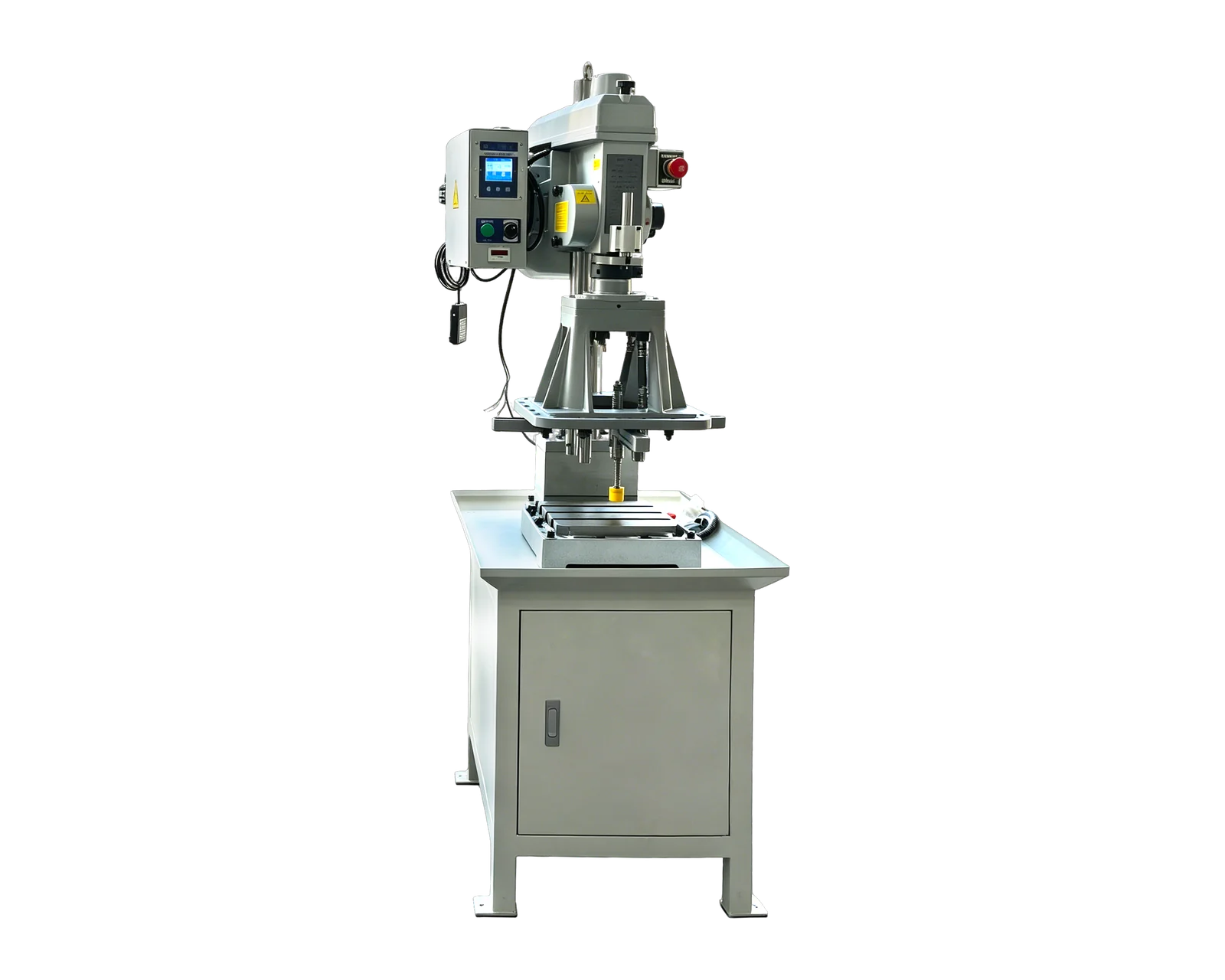
Explore equipment for your inquiry
Multi-Spindle Drilling Machines →Compare simultaneous drilling, traverse layouts and custom configurations against your complete hole pattern.
Keep four identities instead of calling everything position two
Give each drawing hole an identifier, each machine spindle an identifier, each tool assembly a reference and each trial part a traceable label. Those identities may coincide during one setup but are not interchangeable. If a tool moves during an approved investigation, the hole and spindle identities remain while the tool reference changes.
Record the drawing revision, incoming lot, part orientation and trial sequence alongside the mapping. Different holes may also encounter different wall thicknesses, entrances or earlier operations. A nominally repeated pattern does not demonstrate identical cutting conditions. Mark exceptions on the hole map before interpreting a difference as a defect in the spindle arrangement.
State which form of consistency matters
Specify the characteristic being compared for each hole: size, position, depth, edge condition or a later thread result. Use the approved inspection basis and retain individual readings where relevant. The quality owner should determine sampling and acceptance, including which hole streams require separate evaluation. Keep the measurement record ID beside each result so a repeat check can be matched to the same feature and sample. Measurement-system studies and capability-index methods belong in the linked dedicated guides; this record preserves the identities those studies need. A single pass/fail entry for an entire part can be useful for disposition but is insufficient for identifying which feature changed.
Sandvik Coromant's drilling training discusses runout, tool condition and chip evacuation in troubleshooting. These are possible review inputs, not a diagnosis of a specific multi-spindle installation. Request relevant assembly and process evidence from the technical team instead of assuming a shared drive means every cutting position has the same condition.
Build the comparison around a question
This original matrix is a discussion aid, not an instruction to swap tooling or operate a modified setup. The machine and tooling specialists must approve feasible comparisons. They should also state which variables cannot be separated and whether the proposed comparison adequately represents normal operation.
Read a result without overstating it
Consider a hypothetical four-hole trial in which hole C repeatedly differs in diameter. If hole C always corresponds to spindle 3 and tool assembly T3, the record has not yet separated those associations. The next comparison should address a technical question approved by the reviewers; replacing everything at once may improve the result but gives limited evidence about the original explanation.
If a reviewed tool change is followed by acceptable samples, keep the rejected samples and the original mapping. Record whether the inspection method, incoming lot or setup was also changed. Do not erase the failed trial from the report. Its evidence can be important when defining tool replacement checks or deciding what future change requires another review.
Turn the trial into a deliverable inspection scope
For procurement, ask which holes will be inspected during the demonstration and what evidence will be delivered. Identify any feature that is checked after another operation rather than immediately after drilling. If different tools serve different hole families, retain that distinction in the proposed setup record and consumable list.
Close each unresolved position with an owner and a disposition: accepted against the agreed requirement, investigation pending, or retest required. Keep missing readings distinct from passing readings. Attach the original and retest records rather than replacing a failed value with its successor. Send BINSING the mapped drawing, individual results and incoming-part information when requesting a multi-spindle review. Ask the proposal to explain the intended trial coverage and unresolved conditions. A demonstration of one good hole is not evidence for every spindle, and a short successful trial is not by itself a long-term process-capability statement.